What are you looking for?

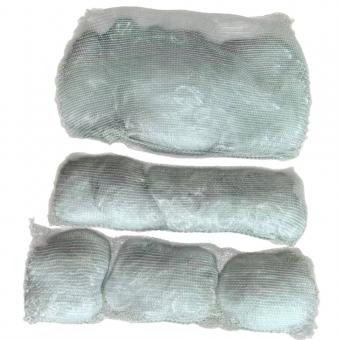
Inside a performance muffler (often called a "glasspack" or "straight-through" muffler), there is a perforated tube that the exhaust gases flow through. This tube is surrounded by the muffler packing material, which is typically made of long-strand fiberglass or rock wool.
As sound waves from the exhaust pulse travel through the perforated tube, they escape into the surrounding packing material. The dense, fibrous material absorbs the sound energy, converting it into a tiny amount of heat through friction. This process drastically reduces the amplitude (volume) of the sound waves before they exit the muffler.
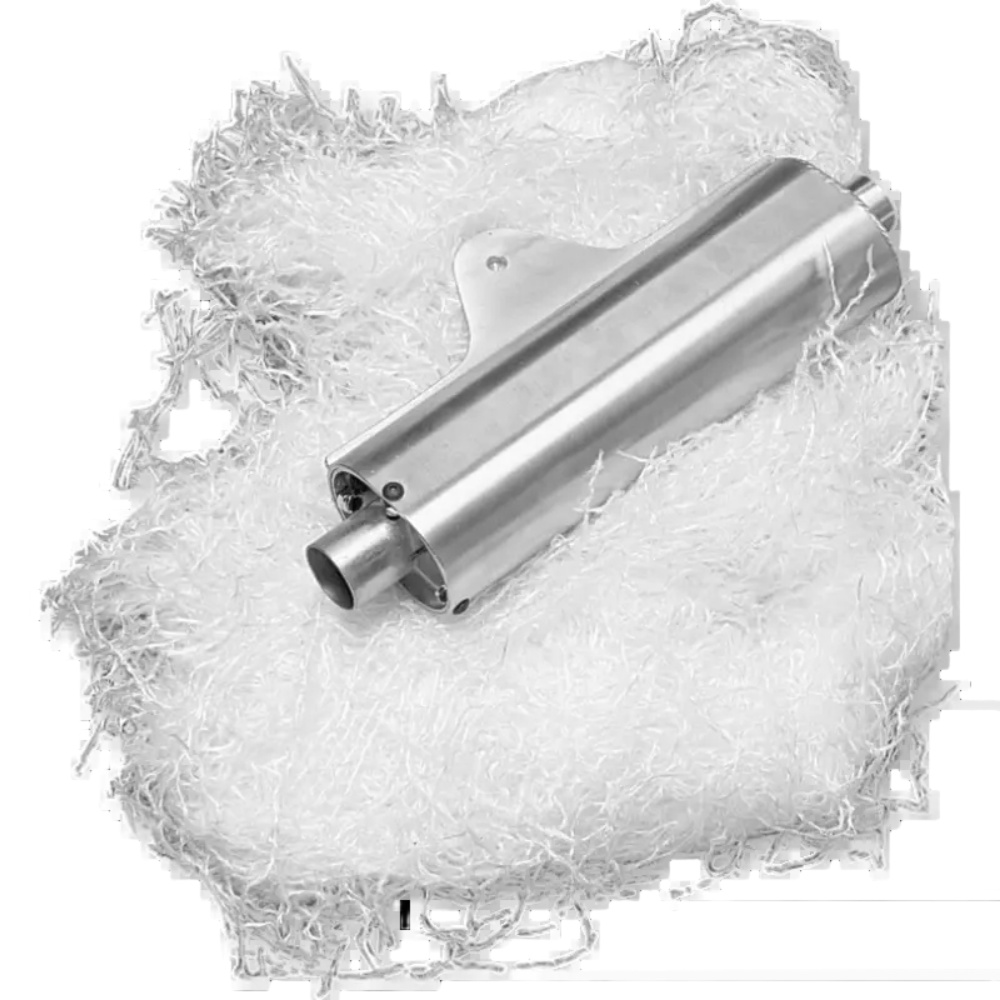
Lowers Decibel Level: This is the most obvious benefit. It quiets the exhaust note to a more legal and tolerable level.
Improves Sound Quality: A well-packed muffler doesn't just make the exhaust quieter; it refines the sound. It removes harsh, metallic, and raspy tones, resulting in a deeper, smoother, and more "mature" exhaust note. This is why enthusiasts use it to tune the character of their exhaust sound.
Unlike baffled mufflers that force exhaust gases through a restrictive maze, a packed straight-through muffler allows gases to flow freely along the central perforated tube. By reducing noise through absorption rather than restriction, it helps maintain scavenging—the process where exhaust pulses help pull out the next pulse of gas from the cylinder. This is crucial for maintaining engine power and torque.
The packing material acts as a heat shield and an insulator.
Reduces External Heat: It keeps the outer shell of the muffler significantly cooler, protecting other nearby components and reducing the risk of accidental burns.
Prevents "Droning": A hollow, empty muffler shell can act as a resonance chamber, creating a low-frequency humming noise (drone) at certain RPMs, which is extremely fatiguing on long drives. The packing absorbs these vibrations and eliminates drone.
Over time (typically 2-5 years, depending on use), the packing material can burn out, degrade, and blow out of the exhaust. When this happens, the exhaust becomes obnoxiously loud and raspy.
Benefit: Instead of replacing the entire muffler, which can be expensive, you can often repack it with new material at a fraction of the cost, restoring it to like-new performance and sound.
When the packing material is gone, you'll experience the opposite of all the benefits:
The exhaust gets extremely loud, raspy, and unpleasant.
Performance can sometimes feel different due to changed backpressure, though it's often the sound that is most noticeable.
The muffler shell can become very hot and may develop a tinny rattle.
Fiberglass: The most common type. Affordable and effective. Standard fiberglass is good for most applications, while high-temperature varieties are for extreme use.
Basalt: More resistant to higher temperatures than standard fiberglass and absorbs moisture better, making it a good choice for off-road vehicles or boats. It's often a bit denser.
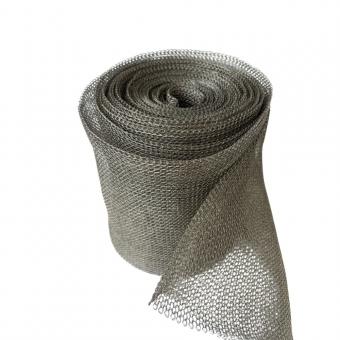
Stainless Steel Wool: Used in some very high-temperature applications. It's much more durable and resistant to burning out but is also more expensive and can be harder to work with.
| Benefit | Description |
|---|---|
| Noise Reduction | Absorbs sound waves to lower the exhaust volume significantly. |
| Improved Sound Quality | Creates a deeper, smoother, less raspy exhaust tone. |
| Performance Maintenance | Allows for free-flowing exhaust gases, preserving engine power. |
| Heat Insulation | Keeps the muffler's outer shell cooler and safer. |
| Eliminates Drone | Stops the fatiguing low-frequency resonance inside the car. |
| Cost-Effective Repairs | Allows you to rejuvenate an old, loud muffler instead of replacing it. |
In short, muffler packing is an essential material that enables the existence of high-performance, free-flowing exhaust systems that are also socially acceptable and pleasant to live with.

No.10, Chuangxin North Road, Nanshan Park, Ningguo Economic and Technological Development Zone, Ningguo City, Anhui Province, China
Tel/Whatsapp : 0086-15856303740
Email : sales@bstbraidedsleeve.com
Skype : vanesa-cheng