What are you looking for?
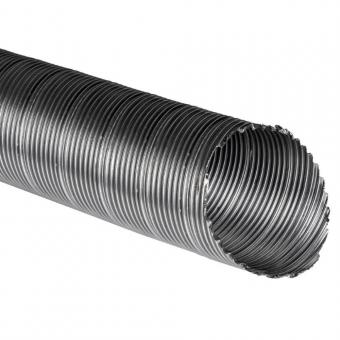
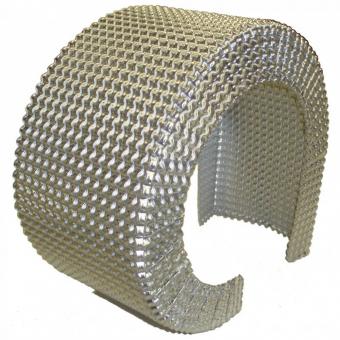
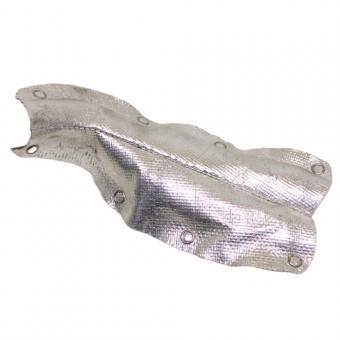
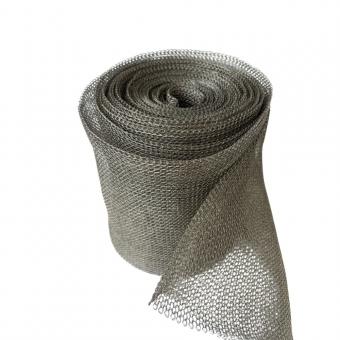
This guide explains how to select heat barrier material for automotive thermal zones, including radiant heat barrier material, aluminum heat barrier, heat barrier sheet, heat barrier insulation, automotive heat barrier material, and flexible heat barrier material. It also shows when you should use exhaust-side insulation products instead of thin barrier sheets.
Start here (category hubs):
Panel / firewall / tunnel / enclosure barriers: Thermal & Heat Shield Barrier
Exhaust-side insulation (manifold/downpipe/elbow/heater exhaust): Exhaust Heat Shield Insulation
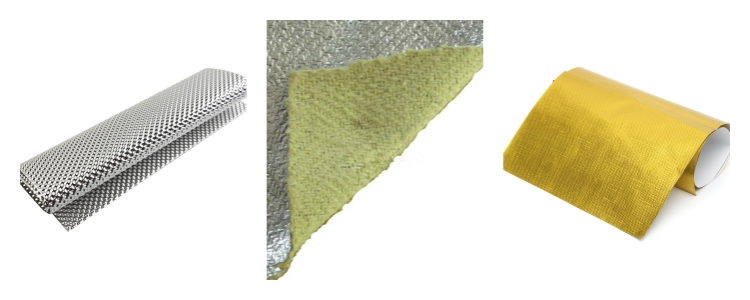
A radiant heat barrier material is designed to reduce heat transfer by reflecting thermal radiation away from nearby components. It is most effective when installed with a stable air gap. In automotive hot zones, reflective constructions—often described as aluminum heat barrier systems—are widely used to reduce radiant loading onto panels, wiring, hoses, plastics, and sensitive assemblies.
Use heat barrier sheet constructions for firewall, tunnel, floor, bulkhead, and enclosure coverage. These are typically used as automotive heat barrier material for radiant hot spots and general heat soak reduction. Browse options here: heat barrier material category.
An aluminum heat barrier is often chosen when radiant heat is dominant and you want lightweight cut-to-fit shielding. If you need fast installation on clean, stable substrates, consider adhesive-backed versions under the same category: heat barrier sheets and adhesive options.
A self adhesive heat barrier is best for fast installation and a clean finish on stable surfaces. In high vibration areas, add edge control or mechanical retention. See: self adhesive heat barrier solutions.
If clearance is tight near exhaust components (manifold/downpipe/catalyst/turbo hot-side), use dedicated exhaust insulation products instead of thin barrier sheets. Start here: exhaust heat shield insulation.
A radiant heat barrier is optimized to reflect radiant heat (often with an aluminum-facing surface). Heat barrier insulation focuses on slowing heat transfer through thickness and low thermal conductivity. Many automotive solutions combine both as a hybrid structure.
Use a self adhesive heat barrier when you need fast installation on a clean, stable substrate. If the area has high vibration, airflow, or edge rubbing risk, add edge control or mechanical retention to prevent lifting.
Direct contact usually reduces radiant-barrier effectiveness and can accelerate wear. If clearance is tight near exhaust components, use more robust solutions from Exhaust Heat Shield Insulation.
Yes. Share a drawing, template, or photos with measurements. We can recommend the right construction and quote quickly.
Need a recommendation? Send photos of the hot zone, clearance, substrate material, and required coverage size. We’ll recommend the best heat barrier material and provide a fast quotation.

No.10, Chuangxin North Road, Nanshan Park, Ningguo Economic and Technological Development Zone, Ningguo City, Anhui Province, China
Tel/Whatsapp : 0086-15856303740
Email : sales@bstbraidedsleeve.com
Skype : vanesa-cheng