What are you looking for?
Automotive heat insulation is no longer a “nice-to-have” upgrade—it's a reliability requirement for modern vehicles. Higher underhood temperatures, tighter packaging, and more heat-sensitive components mean the right automotive heat insulation material can prevent premature aging of hoses and wiring, reduce heat soak, improve comfort, and protect nearby assemblies from radiant hot spots.
At BSTFLEX, we manufacture a complete range of automotive heat shield insulation solutions for virtually any vehicle platform and any thermal zone. We are ISO9001:2015 and IATF16949 certified and have specialized in automotive thermal protection products for more than ten years. If you are building, sourcing, or upgrading heat insulation across multiple vehicle systems, start here: Automotive Heat Shields & Heat Insulation Solutions.
Heat reaches components through radiation (radiant heat from hot surfaces), convection (hot airflow), and conduction (direct contact). A professional automotive heat shield insulation plan usually combines multiple materials—reflective barriers, insulating wraps, sleeves, blankets, and engineered shields—so each component gets the right type of protection without over-building the system.
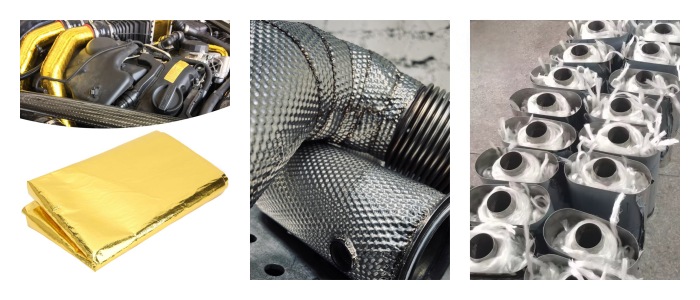
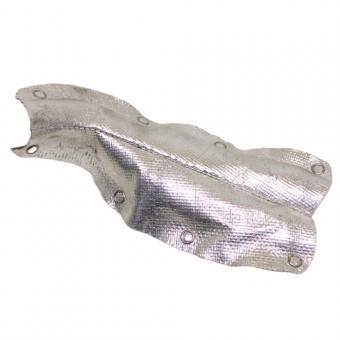
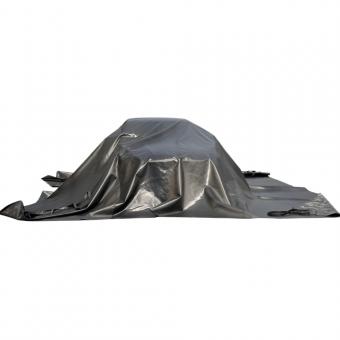
Exhaust routing is one of the highest temperature zones in a vehicle. The goal is to reduce radiant heat into surrounding plastics, lines, and floor panels, and to control heat soak in tight packaging. Depending on layout and service needs, insulation may involve wraps, socks, blankets, or engineered barriers. Explore options in our main automotive category: exhaust heat shield insulation solutions.
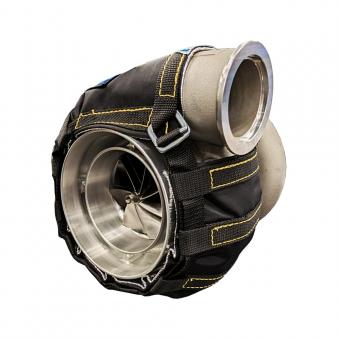
Turbo/manifold areas create concentrated radiant heat. Proper insulation reduces heat soak into intakes and nearby harnesses, and helps protect sensitive components. For hot-side applications, blankets and formed shields are commonly selected based on clearance, vibration, and retention requirements. Start from: turbo heat shield insulation.
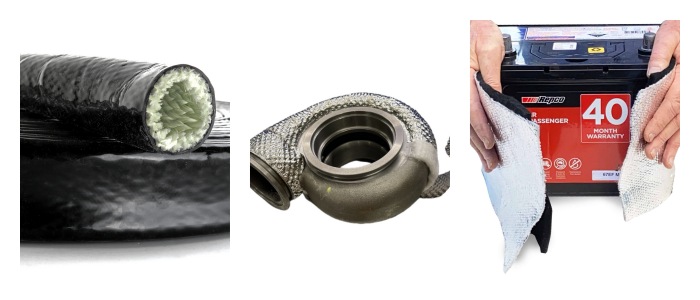
Batteries can suffer from elevated engine-bay temperatures and localized hot zones. A dedicated battery heat barrier can help reduce radiant exposure and support longer service life. If your program includes battery protection, see our battery solutions section through: battery heat shield options.
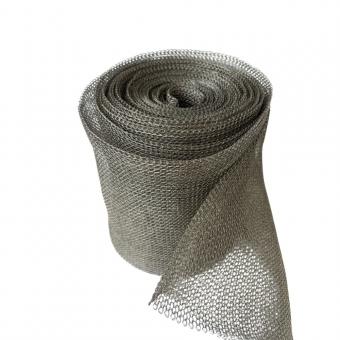
Hoses and lines often fail early due to a combination of heat exposure and abrasion at clamps and brackets. The right sleeve or wrap protects against radiant heat and mechanical wear in critical routing zones. Many customers combine hose protection with local heat barriers near hot sources. Browse: hose and line heat insulation materials.
Modern vehicles rely on dense wiring looms and sensor cabling that can be damaged by radiant heat and hot airflow. Heat shielding sleeves and barriers help protect insulation jackets, improve harness longevity, and reduce failure risk near turbo/exhaust paths. See: wire and cable heat shield insulation.
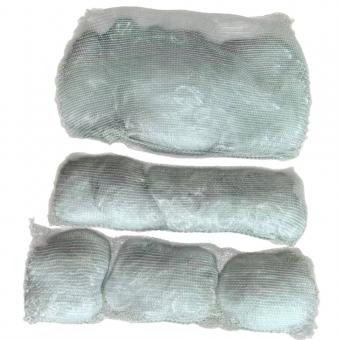
Firewall insulation and bulkhead shielding target both heat and comfort: reducing radiant heat transfer into cabins, protecting nearby panels, and managing heat soak. Solutions may include reflective barriers, insulating mats, and custom die-cut parts. Learn more at: firewall heat insulation materials.
There is no single “best” material. The correct choice depends on heat mode (radiant vs contact), clearance, vibration, abrasion risk, and the installation method. A good approach is to start with the hot zone (exhaust/turbo) and then protect adjacent hoses, harnesses, and panels using targeted sleeves and barriers.
Yes. We supply automotive heat shield insulation for a wide range of vehicles and industries. The key is matching material structure and mounting method to the actual environment and service conditions.
Yes. Many customers combine exhaust insulation with local barrier sheets, plus hose and wiring protection sleeves for critical routing zones. This system approach improves reliability and reduces heat soak.
Send photos of your hot zone and nearby components, your clearance measurements, and your target coverage area. We will recommend the best product structure and provide a fast quote.
If you are sourcing automotive heat insulation material for exhaust, turbo, battery, hoses, wiring, cables, lines, or firewall shielding, start with our full category and send your application details.

No.10, Chuangxin North Road, Nanshan Park, Ningguo Economic and Technological Development Zone, Ningguo City, Anhui Province, China
Tel/Whatsapp : 0086-15856303740
Email : sales@bstbraidedsleeve.com
Skype : vanesa-cheng