What are you looking for?
Selecting the correct basalt tape can make a major difference in performance, durability, and safety when working in high-temperature or high-friction environments. Whether you’re insulating exhaust pipes, protecting industrial hoses, or reinforcing thermal systems, understanding the characteristics of different basalt tapes is essential to achieving the best results.
This comprehensive guide will help you choose the best basalt tape for your specific application by covering the key selection criteria—thickness, width, weave structure, and temperature rating—along with real-world recommendations for automotive, industrial, welding, and general insulation use.
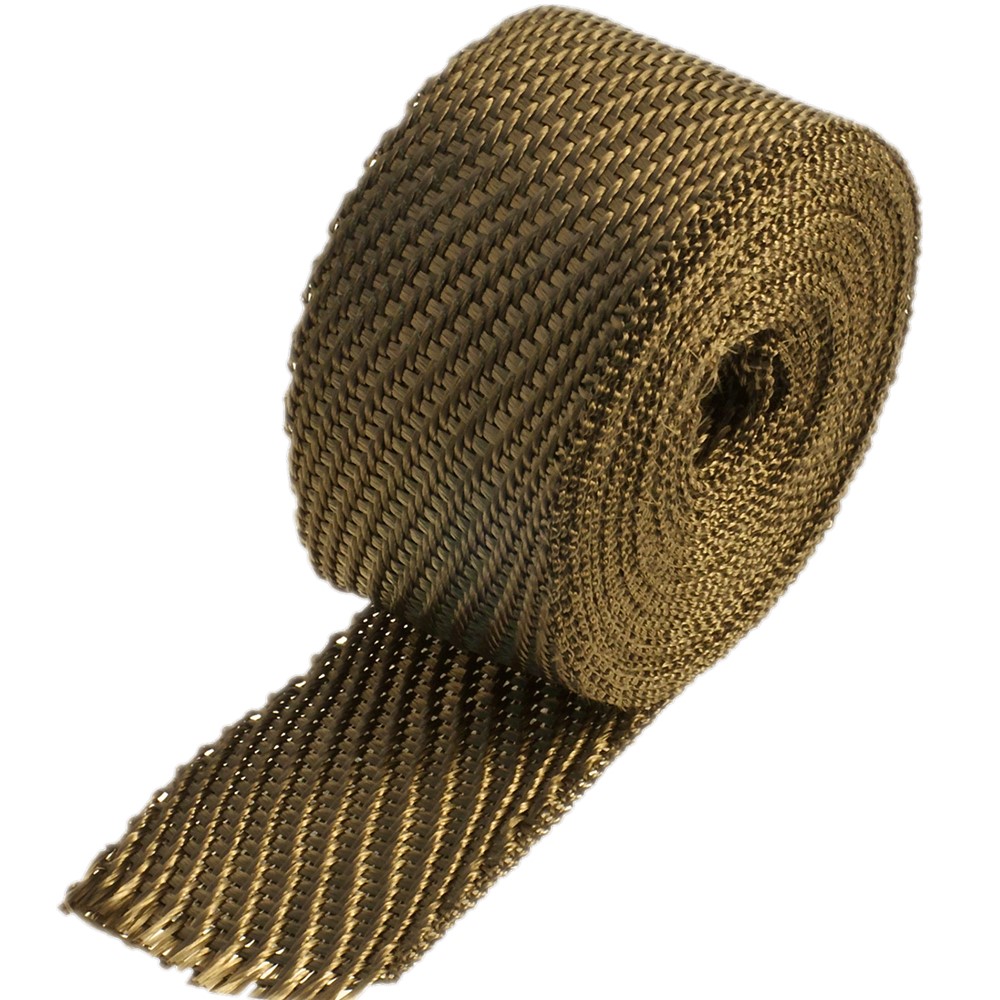
Basalt tape is a woven high-temperature textile made from continuous basalt fibers derived from natural volcanic rock. Known for its exceptional heat resistance, tensile strength, and abrasion protection, it withstands continuous exposure up to 800°C (1,472°F) and intermittent temperatures up to 1,000°C (1,832°F).
Its natural mineral composition makes it non-combustible, chemical-resistant, and eco-friendly, providing a strong alternative to fiberglass and ceramic fiber tapes. But to maximize performance, selecting the right form of basalt tape is crucial.
The thickness of basalt tape determines its insulation level, flexibility, and mechanical strength.
| Thickness (mm) | Thermal Protection | Flexibility | Recommended Use |
|---|---|---|---|
| 0.5 – 1.0 mm | Moderate | High | Light insulation, small hose wrapping |
| 1.5 – 2.0 mm | High | Medium | Exhaust pipe wrapping, welding protection |
| 3.0 mm and above | Maximum | Lower | Industrial pipelines, furnace insulation |
A thicker basalt tape provides superior heat shielding but can be less flexible. For tight bends or small-diameter components, a thinner tape is easier to apply.
Basalt tapes are available in various widths—typically 25mm, 50mm, and 100mm—to accommodate different applications.
25mm: Ideal for wrapping small hoses, cables, and fuel lines.
50mm: The most versatile size for automotive and general industrial insulation.
100mm: Best suited for large-diameter pipes, flanges, and structural components.
Choosing the right width minimizes overlap waste and ensures uniform coverage.
The weave pattern of basalt tape affects both its flexibility and mechanical durability.
| Weave Type | Description | Advantages | Common Applications |
|---|---|---|---|
| Plain Weave | Simple crisscross pattern | Smooth surface, stable structure, good for even insulation | Automotive exhaust wraps, hose protection |
| Twill Weave | Diagonal rib pattern | Greater flexibility, better drape, improved strength | Complex shapes, curved components, aerospace |
If your project involves wrapping irregular shapes or components exposed to vibration, twill weave basalt tape offers superior handling.
Some basalt tapes are available with additional coatings or treatments for enhanced performance:
Adhesive-backed basalt tape – simplifies installation on metal or composite surfaces.
Vermiculite-coated basalt tape – boosts temperature resistance to above 1,000°C.
Silicone-coated basalt tape – adds moisture and oil resistance for industrial or marine environments.
Choose coatings based on the operational environment to extend service life and reliability.
Below are the most common industrial applications and recommended basalt tape types:
| Application | Recommended Type | Key Benefits |
|---|---|---|
| Automotive (Exhaust & Engine Bay) | 1.5–2mm thick twill weave basalt tape | Reduces radiant heat, prevents wire and hose damage |
| Industrial Piping & Valves | 3mm thick plain weave basalt tape | Provides durable insulation and abrasion protection |
| Welding & Fabrication | 2mm thick vermiculite-coated basalt tape | Resists sparks, slag, and molten metal |
| Aerospace & Marine Systems | Lightweight 1mm silicone-coated basalt tape | High vibration tolerance, moisture and chemical resistance |
| General Thermal Insulation | 1.5mm plain weave basalt tape | Versatile, easy to install, long service life |
This table can serve as a quick reference for engineers, technicians, or maintenance teams selecting the correct product for specific performance goals.
Compared with fiberglass or ceramic fiber tapes, basalt tape offers a balance of performance, safety, and sustainability.
Higher Temperature Tolerance: Up to 1,000°C peak exposure.
Greater Tensile and Abrasion Strength: Maintains integrity under pressure and vibration.
Eco-Friendly Composition: Made from 100% natural basalt rock, free of toxic additives.
Improved Longevity: Extended service life reduces maintenance frequency and replacement costs.
These advantages make basalt tape the preferred choice for modern thermal management and mechanical protection systems.
Choosing the right basalt tape is not just about withstanding high temperatures—it’s about ensuring safety, efficiency, and reliability in every application. By considering factors such as thickness, width, weave, and coating, you can match the tape’s specifications precisely to your project’s thermal and mechanical demands.
With its outstanding performance, long life, and eco-friendly composition, basalt tape represents the next generation of industrial insulation materials—a dependable choice for professionals who demand durability under extreme conditions.

No.10, Chuangxin North Road, Nanshan Park, Ningguo Economic and Technological Development Zone, Ningguo City, Anhui Province, China
Tel/Whatsapp : 0086-15856303740
Email : sales@bstbraidedsleeve.com
Skype : vanesa-cheng