What are you looking for?
Summary: If you are searching for aluminum heat shield material, heat shield material aluminum, or auto heat shield material, you are likely selecting a reflective barrier to reduce radiant heat exposure in tight engine-bay or underbody areas. This guide explains how to specify the right heat shield material format, how to avoid vibration-related failures, and what information helps you get an accurate quote fast.
Exhaust-side heat management: exhaust insulation solutions | Local tapes and barriers: heat shield tapes and barriers | Technical PDFs: download technical documents
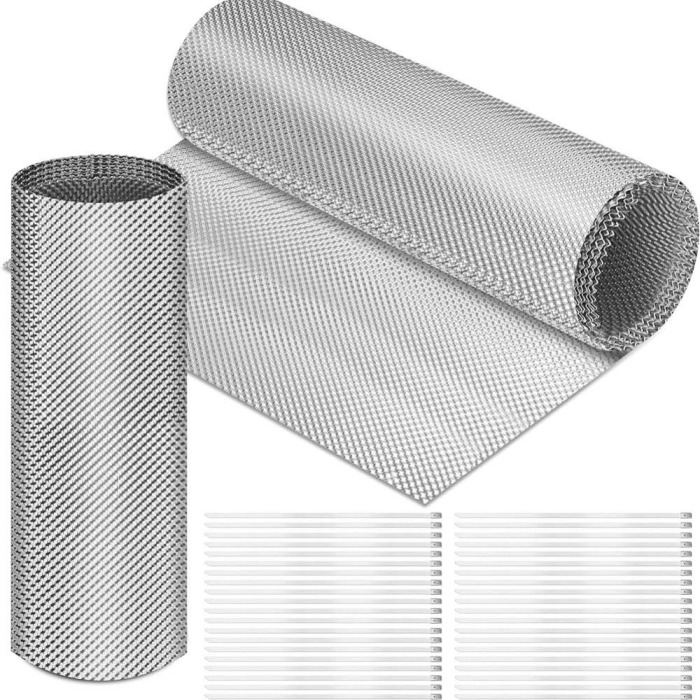
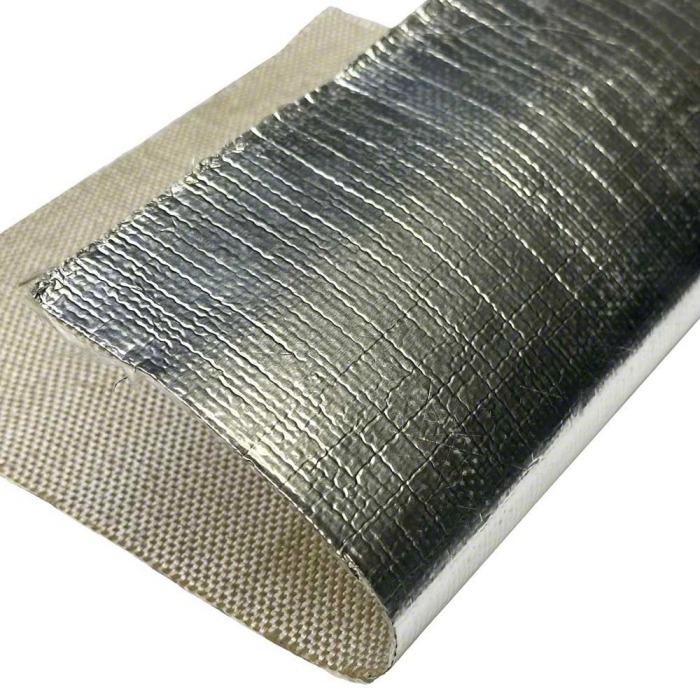
A well-designed aluminum heat shield material works primarily by reflecting radiant heat and reducing heat soak to adjacent components. In automotive environments, the benefit depends on three real-world factors: maintaining a stable air gap, preventing rub-through under vibration, and selecting a format that matches the installation method (sheet, roll, adhesive-backed, or die-cut).
Sheet format is often used for brackets, formed shields, and prototype work. It is easier to cut and shape, and works best when you can preserve a consistent air gap. If the sheet touches hot parts during vibration, performance drops and mechanical wear becomes the dominant failure mode.
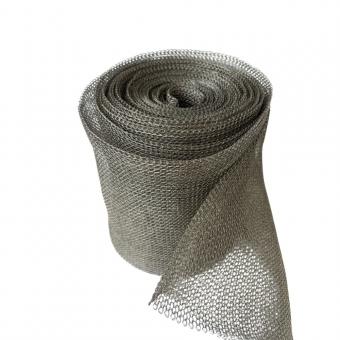
Rolls are preferred for consistent production use and conversion into cut pieces. If you need repeatability, rolls help standardize width, length, and handling.
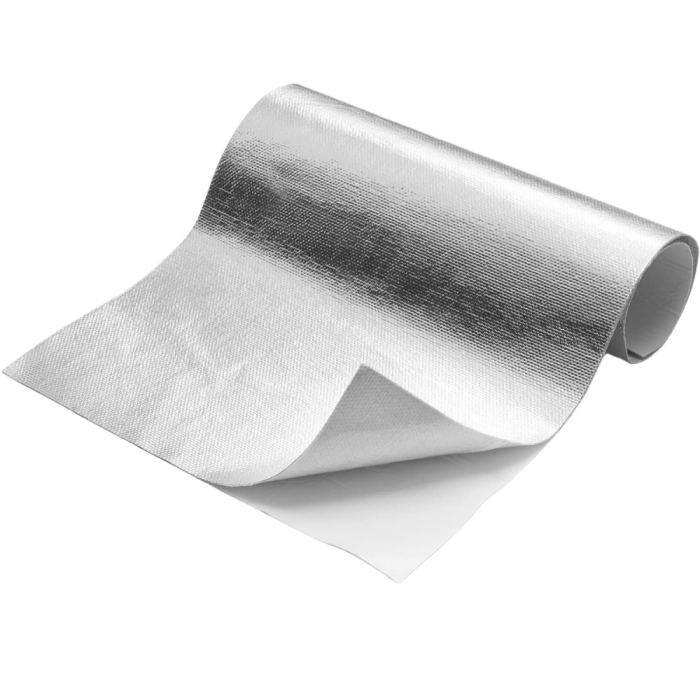
Adhesive-backed heat shield material can be practical for flat surfaces and controlled environments. To avoid adhesive failures, ensure the substrate is clean, dry, and free from oil or dust, and verify temperature exposure at the mounting surface. For severe heat sources, first reduce source temperatures with exhaust insulation solutions.
For OEM and repeatable installations, die-cut shapes reduce assembly time and positioning variation. If you have drawings or templates, share them in your RFQ.
If you can maintain spacing, reflective aluminum heat shield material is highly effective against radiant heat. If your clearance is tight, assume vibration will cause intermittent contact and choose a more robust structure or add an insulation core where needed.
In vehicles and equipment, “near-contact” often becomes contact during operation. This is why many shield failures are mechanical (rubbing, edge wear) rather than thermal. Plan mounting and edge control early.
Shielding blocks radiant heat to adjacent parts. If the heat source itself is too hot, reduce it first. For exhaust-side temperature control, consider exhaust insulation solutions, then use aluminum barriers where components still need protection.
To quote aluminum heat shield material accurately and recommend the correct structure, copy this checklist into your inquiry:
Yes. Auto heat shield material based on aluminum reflective layers is commonly used for radiant heat protection. Results depend on maintaining spacing, stable mounting, and choosing a format that matches your installation environment.
Yes. We can supply heat shield material aluminum in sheet or roll formats, and support conversion into cut pieces or die-cut shapes for repeatable installation.
Aluminum barriers are effective for blocking radiant heat to adjacent parts. If the exhaust surface temperature is extreme, reduce heat at the source first using exhaust insulation solutions, then add barriers where needed.
Send your application zone, clearance, preferred format (sheet/roll/die-cut/adhesive-backed), and photos or drawing. We will recommend a practical structure and provide supporting technical documents.

No.10, Chuangxin North Road, Nanshan Park, Ningguo Economic and Technological Development Zone, Ningguo City, Anhui Province, China
Tel/Whatsapp : 0086-15856303740
Email : sales@bstbraidedsleeve.com
Skype : vanesa-cheng