What are you looking for?

Short answer: A heat shield on a car is a protective barrier placed between a heat source (like the exhaust, turbo, or catalytic converter) and nearby components. Its job is to reduce heat transfer—especially radiant heat—to protect parts such as wiring, hoses, plastic trim, underbody panels, and even the cabin floor.
Exhaust-side heat management: exhaust insulation solutions | Local barriers and tapes: heat shield tapes and barriers | Protect hoses/wires near hot zones: fire sleeve protection | Technical PDFs: download technical documents
When people ask “what is heat shield in car”, they are usually referring to the thin metal or composite panels located near the exhaust system. In engineering terms, a heat shield is a thermal barrier designed to:
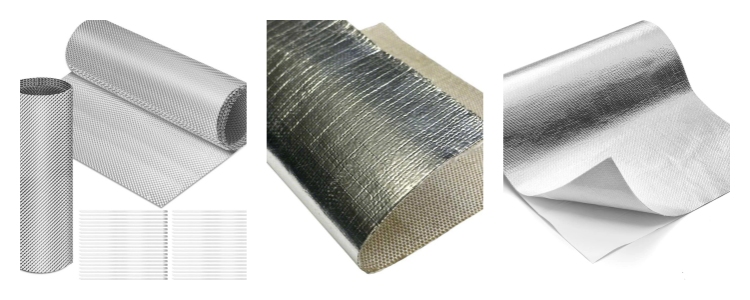
A car heat shield is typically found wherever high heat is close to vulnerable components. Common locations include:
If you need to reduce heat at the source (not only shield adjacent parts), consider exhaust insulation solutions as part of a complete thermal plan.
Most heat shields work by addressing radiant heat. Radiant heat is like “heat you feel” from a hot exhaust without touching it. A reflective surface and an air gap can significantly reduce radiant transfer to nearby components.
In tight packaging where an air gap cannot be maintained, engineers may combine shielding with insulation structures. For example: shielding protects adjacent parts while exhaust insulation reduces heat at the source.
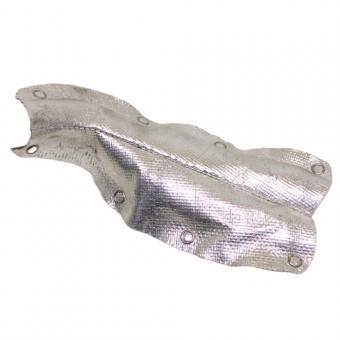
These are commonly seen as thin metal panels mounted with clips or fasteners. They are effective when they maintain spacing and do not loosen.
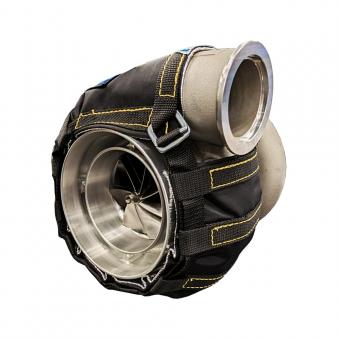
Used in hotter zones where a simple metal panel is not enough, especially around turbo and catalytic converter areas.
For targeted protection in small areas, installers may use heat shield tapes and barriers where applicable.
When the risk is on a line (fuel, hydraulic, cable, harness), use dedicated sleeving such as fire sleeve protection to protect hoses and wiring near exhaust routing.
The most common failure mode is mechanical: a shield loosens under vibration and starts rattling or rubbing. Fixing the mounting points and restoring spacing usually matters more than adding thicker material.
In many vehicles, a missing heat shield can increase heat exposure to nearby components and the underbody. That can lead to faster aging of plastics, hoses, and wiring, and may increase cabin floor temperature in some cases. If you notice heat damage signs or tight clearance near fuel lines/wiring, address it promptly.
If you are developing a heat shielding solution for a vehicle or equipment platform, send the following details to get a fast recommendation:
A heat shield on a car is a barrier placed between hot components (exhaust, turbo, catalytic converter) and nearby parts to reduce heat transfer—especially radiant heat—protecting wiring, hoses, panels, and trim.
It is used to protect vulnerable components from heat exposure, reduce heat soak, and improve reliability in tight packaging areas where hot parts sit close to plastics, wiring, and underbody panels.
Most rattles happen when clips or fasteners loosen, corrosion reduces stiffness, or the shield contacts another component during vibration. Restoring secure mounting and spacing usually resolves the issue.
They can reduce radiant heat exposure to local areas. For significant temperature reduction, engineers often combine shielding with exhaust-side insulation to lower heat at the source.
Share your heat source location, clearance, mounting method, and target format. We will recommend a practical solution and provide supporting technical documents.

No.10, Chuangxin North Road, Nanshan Park, Ningguo Economic and Technological Development Zone, Ningguo City, Anhui Province, China
Tel/Whatsapp : 0086-15856303740
Email : sales@bstbraidedsleeve.com
Skype : vanesa-cheng