What are you looking for?

Choosing the best exhaust muffler packing materials is critical for achieving the right balance between sound control, heat resistance, and service life. This guide explains the strengths and limitations of the most commonly used packing materials.
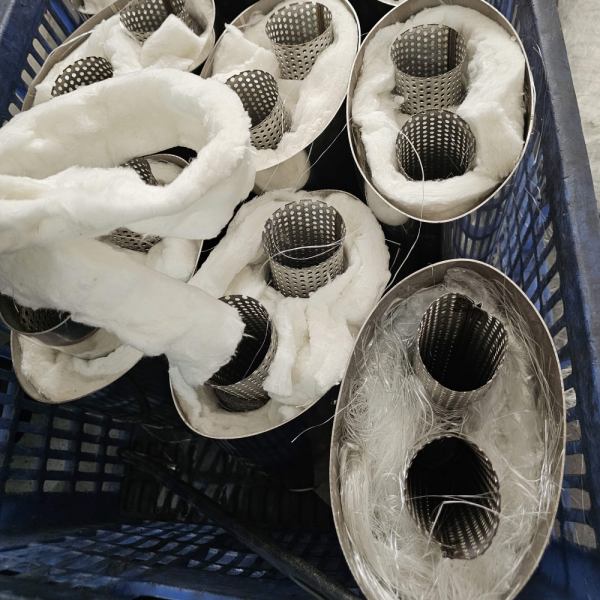
The internal packing material directly affects exhaust noise levels, tone quality, durability, and maintenance intervals. Different applications require different material properties.
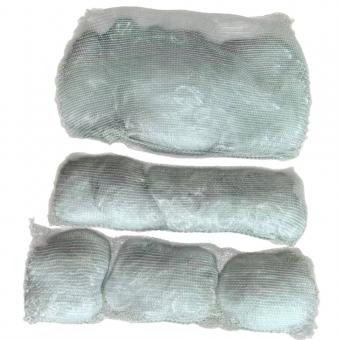
Fiberglass is the most widely used exhaust muffler packing material. It offers excellent sound absorption and low cost, making it ideal for standard motorcycle and automotive exhaust systems.
Basalt fiber packing is designed for higher temperature environments and longer service life. It is commonly used in performance and premium exhaust systems.
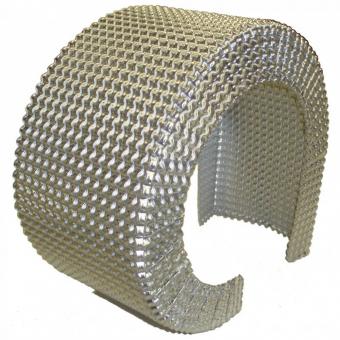
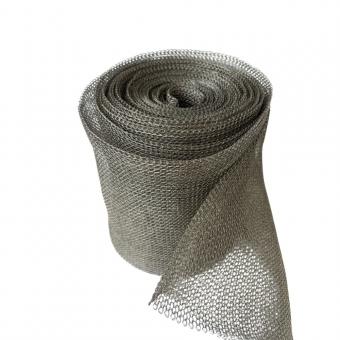
Stainless steel fiber is used in extreme heat and racing applications where traditional fibers degrade rapidly.
| Material | Sound Absorption | Heat Resistance | Lifespan | Cost |
|---|---|---|---|---|
| Fiberglass | High | Medium | Medium | Low |
| Basalt Fiber | Very Good | High | High | Medium |
| Stainless Steel Fiber | Moderate | Very High | Very High | High |
The best exhaust muffler packing material depends on operating temperature, sound requirements, and maintenance expectations. Many performance exhaust systems use blended materials to balance durability and noise control.
Understanding the differences between fiberglass, basalt fiber, and stainless steel exhaust muffler packing materials allows buyers and manufacturers to make informed decisions and achieve consistent exhaust performance.

No.10, Chuangxin North Road, Nanshan Park, Ningguo Economic and Technological Development Zone, Ningguo City, Anhui Province, China
Tel/Whatsapp : 0086-15856303740
Email : sales@bstbraidedsleeve.com
Skype : vanesa-cheng