What are you looking for?
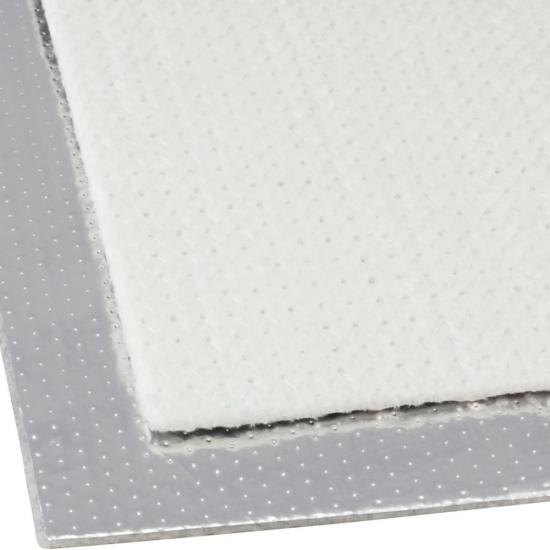
Top summary: Looking for heat barrier material to reduce radiant heat exposure? This category covers radiant heat barrier solutions including aluminum heat barrier, heat barrier sheet constructions, and self adhesive heat barrier options for faster installation. Use the guidance below to choose the right barrier for your temperature, clearance, and mounting method.
Related tapes: heat shield tapes | Exhaust-side solutions: exhaust insulation solutions | Downloads: download technical documents
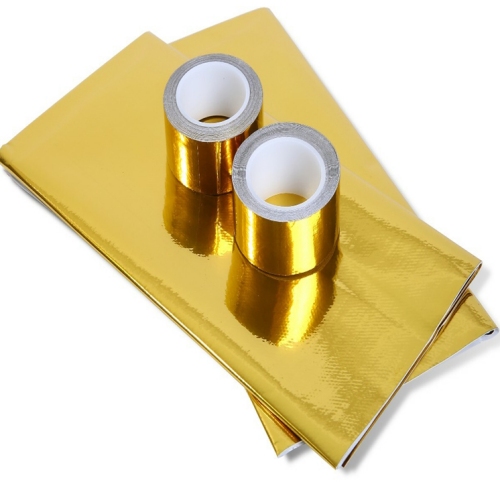
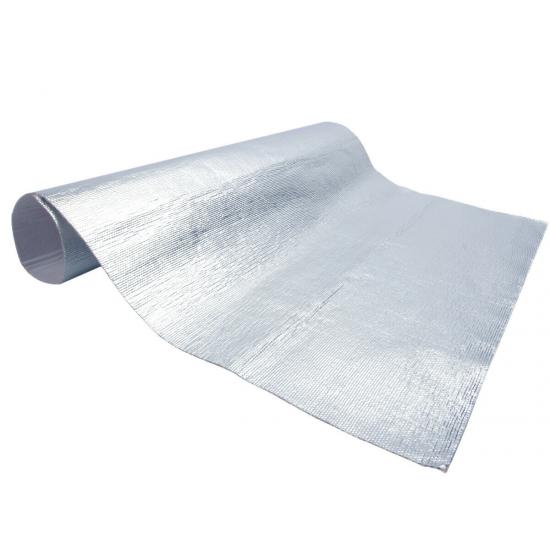
A heat barrier is a material system designed to reduce heat transfer from a hot source to nearby components. Most barriers target radiant heat (the “heat you feel” without touching). A well-specified radiant heat barrier can lower heat soak into wiring, hoses, plastics, panels, and sensitive assemblies—especially when an air gap can be maintained.
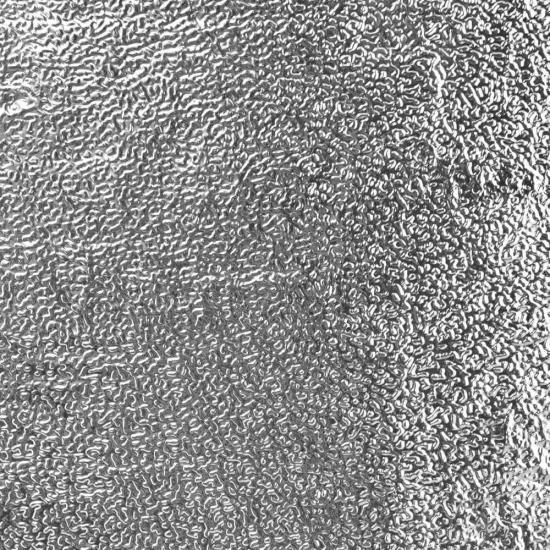
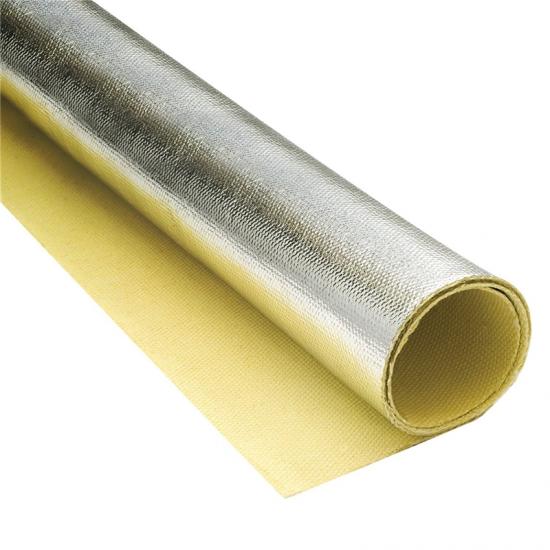
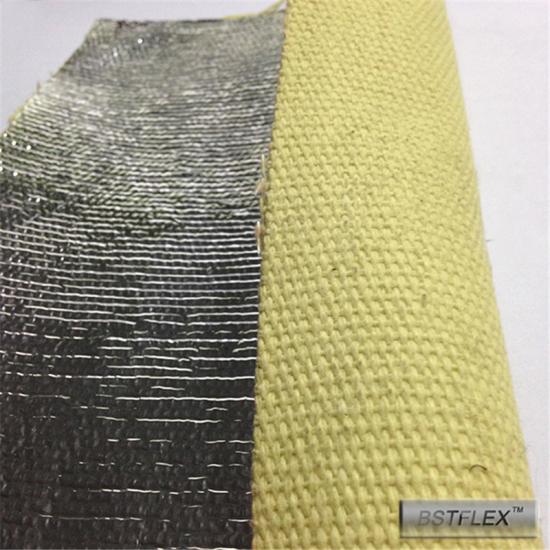
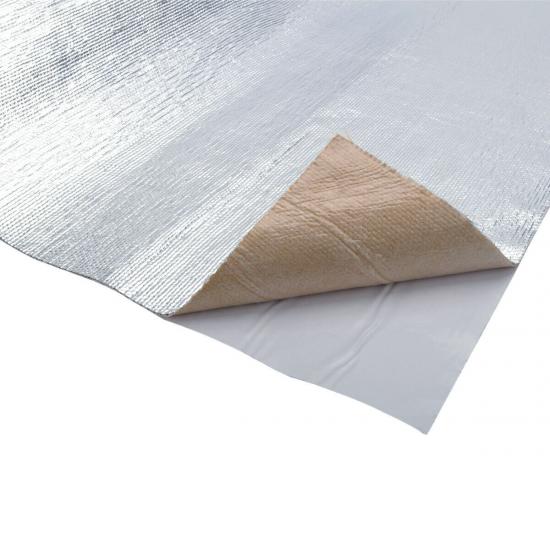
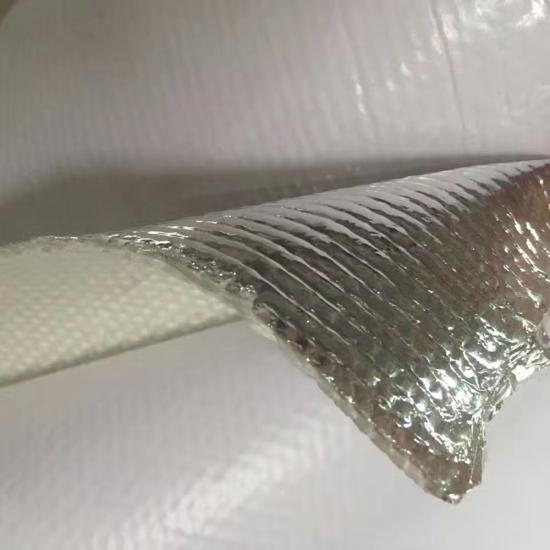
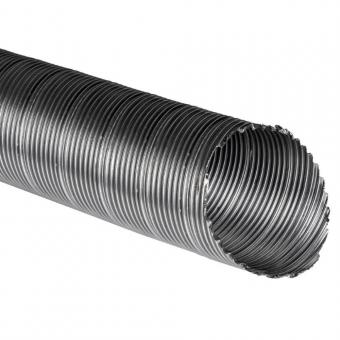
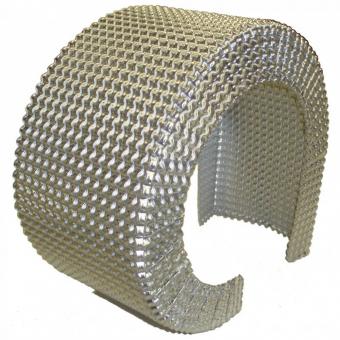
An aluminum heat barrier is widely used as a radiant shield because aluminum reflects radiant energy effectively. Typical use cases include engine bays, underbody heat zones, intake heat soak reduction, and localized shielding near exhaust routing.
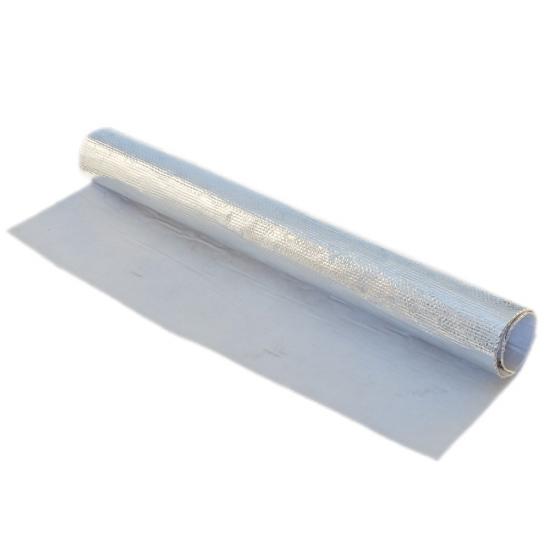
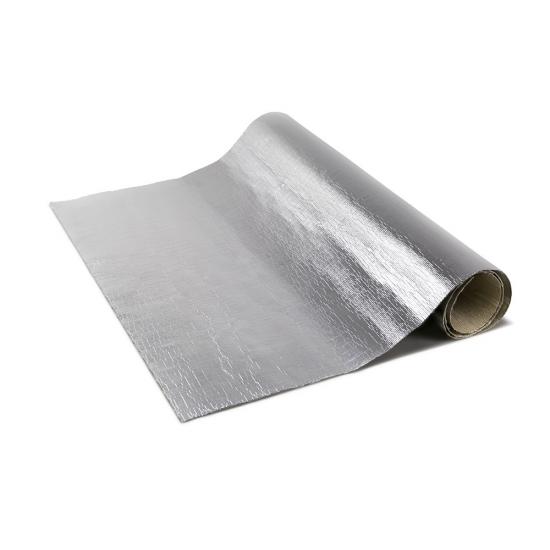
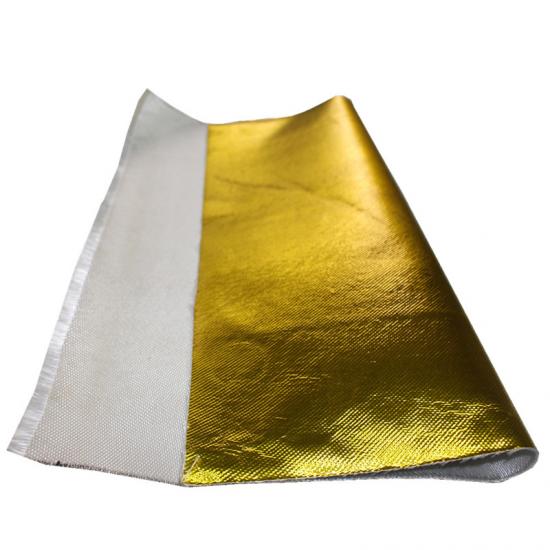
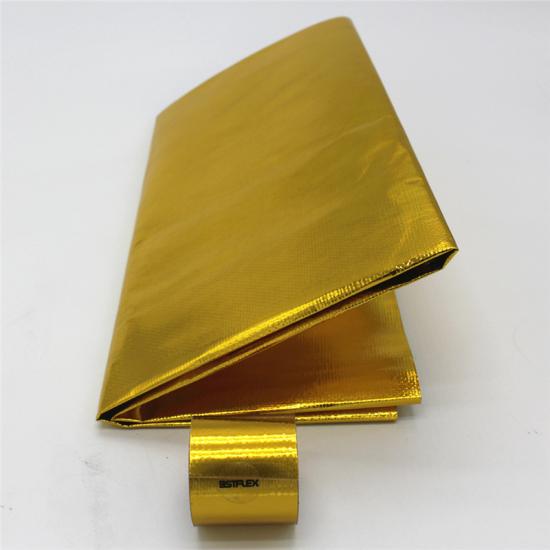
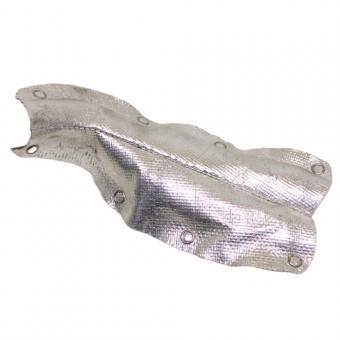
A heat barrier sheet is chosen when you want coverage over a larger area (panels, bulkheads, housings). Selection depends on heat exposure, clearance, vibration, and whether the sheet will see abrasion or splash.
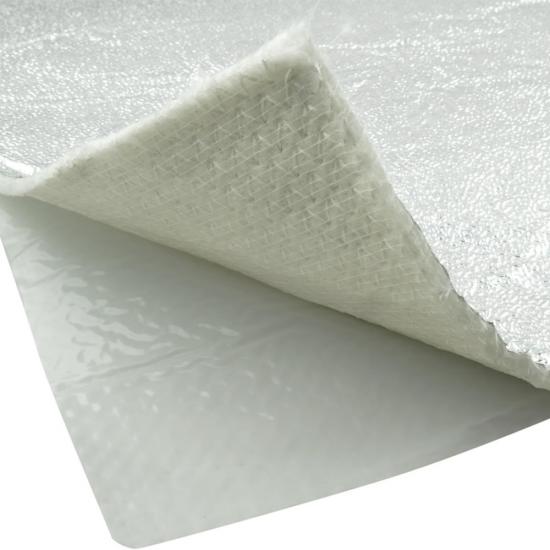
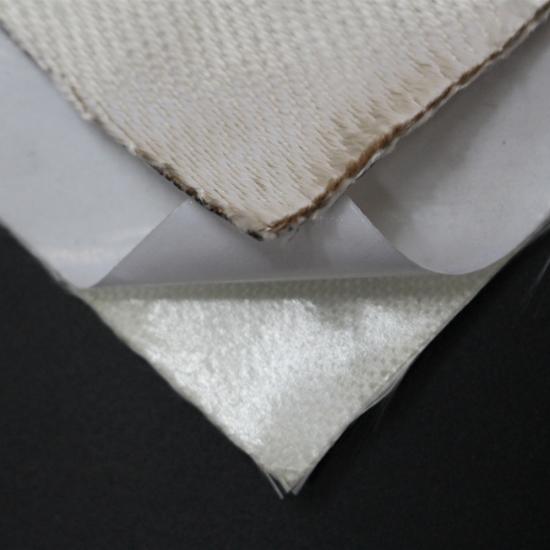
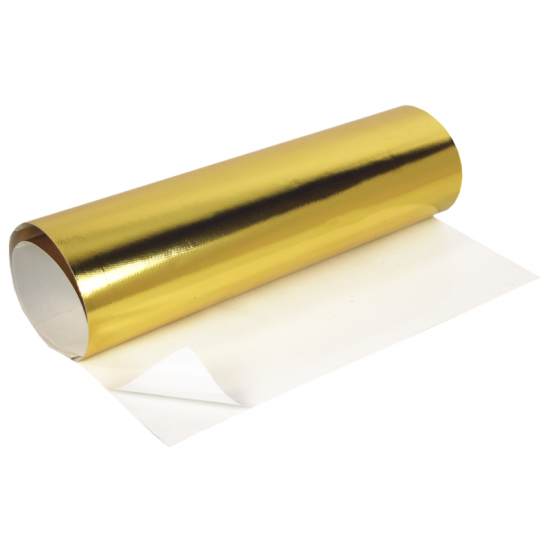
A self adhesive heat barrier is preferred when fast installation and clean fitment are critical. Adhesive-backed barriers are typically used on stable, clean substrates. For best results, surface preparation and temperature limits of the adhesive system should be considered.
A radiant heat barrier is a heat barrier material designed to reflect radiant heat away from nearby components. It performs best when a stable air gap is maintained.
Aluminum-facing barriers are widely used for radiant heat reflection. The best choice depends on clearance, vibration, abrasion, and whether the barrier will see fluids or rub points.
Use adhesive-backed barriers when you need fast installation on clean, stable substrates. For high vibration or service areas, consider mechanical retention or edge control.
Yes. Share drawings or a template and your required format (sheet, adhesive-backed, or barrier system) to evaluate custom options.
Send photos of the hot zone, clearance, substrate material, and target coverage size. We’ll recommend the right heat barrier construction and provide technical documents if required.

No.10, Chuangxin North Road, Nanshan Park, Ningguo Economic and Technological Development Zone, Ningguo City, Anhui Province, China
Tel/Whatsapp : 0086-15856303740
Email : sales@bstbraidedsleeve.com
Skype : vanesa-cheng