What are you looking for?
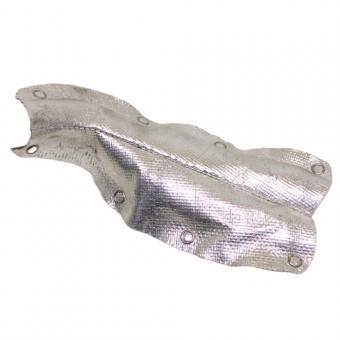
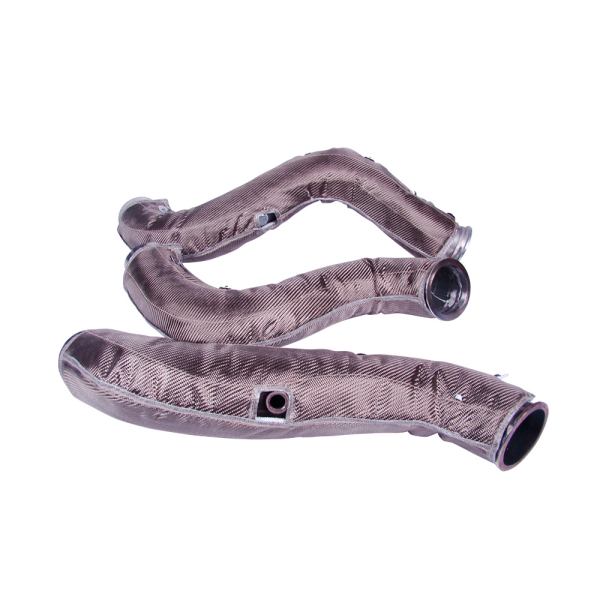
An exhaust manifold blanket is a high-temperature thermal insulation cover installed over the exhaust manifold or turbo manifold of gasoline and diesel engines. Its main function is to contain and reduce radiant heat, prevent heat soak, protect nearby engine components, and improve turbocharger response.
In performance automotive applications, heavy-duty diesel engines, industrial machines, and engineering equipment, exhaust manifold temperatures can easily reach 800 to 1100 degrees Celsius. Without proper insulation, nearby plastic parts, wiring harnesses, sensors, and hoses may degrade, melt, or fail prematurely. This is why exhaust manifold blankets have become an essential heat management solution for both automotive and industrial applications.
The exhaust manifold releases a large amount of radiant heat. The insulation layers within the blanket, typically made of fiberglass, basalt fiber, or silica fiber, significantly reduce the amount of heat escaping into the engine bay. In many cases, radiant heat can be reduced by 20 to 40 percent.
Insulating the manifold keeps exhaust gases at a higher temperature. Hotter gases move faster, which helps improve turbocharger performance, increases turbo spool speed, and boosts overall efficiency.
High temperatures can damage wiring, hoses, electronic control modules, and other components. An exhaust manifold blanket can reduce engine bay temperatures by 30 to 50 degrees Celsius, extending the lifespan of these parts.
By reducing external heat exposure, the blanket helps prevent accidental burns during maintenance or inspection.
Different manufacturers use different materials. The most common materials include:
Fiberglass: Heat rating 550 to 600 degrees Celsius. Lightweight and cost-effective.
Basalt Fiber: Heat rating 800 to 1000 degrees Celsius. Offers improved heat resistance.
Silica Fiber: Heat rating 1100 to 1200 degrees Celsius. Suitable for extremely high temperatures.
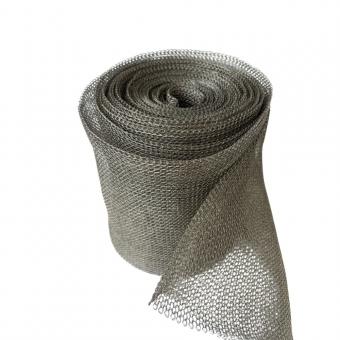
Stainless Steel Mesh: Used as an outer layer for durability and abrasion resistance.
Titanium Fabric: Commonly used in the automotive aftermarket for performance vehicles.
Reducing engine bay temperature is one of the most important advantages. Lower temperatures help protect sensitive components and improve engine reliability.
Turbocharger performance can be improved because higher exhaust gas temperatures help the turbo spool faster and more efficiently.
Heat soak is reduced, helping prevent intake air temperature from rising excessively.
Nearby components, including wiring, hoses, and sensors, are shielded from extreme heat.
Driver and technician safety is improved, reducing the risk of accidental burns.
Overall engine longevity can be increased because components are exposed to less thermal stress.
Exhaust manifold blankets are widely used in turbocharged passenger cars, including Subaru, BMW, Audi, Toyota, and Volkswagen.
Diesel engines in construction machinery, generators, marine engines, and heavy equipment also benefit greatly from exhaust insulation.
Industrial machinery and high-temperature exhaust systems use manifold blankets to protect operators and reduce ambient heat.
Racing vehicles rely heavily on heat management, making these blankets essential for performance and safety.
Step 1: Measure the manifold to ensure the correct size and fit.
Step 2: Wrap the blanket securely around the manifold.
Step 3: Use stainless steel locking ties or clamps to secure the blanket.
Step 4: Ensure there is proper clearance and that the blanket does not touch moving parts.
A complete installation tutorial will be covered in another article.
Some believe that an exhaust manifold blanket can damage the turbocharger. This is not true when the blanket is made from high-quality materials.
Another misconception is that these blankets are only for racing applications. In reality, they are widely used on diesel engines, generators, and industrial equipment.
Some users think the blanket will crack over time. Only low-quality materials are prone to premature failure.
Does an exhaust manifold blanket improve performance?
Yes. It helps improve turbocharger response and reduces heat soak.
Is it safe for all engines?
Most gasoline and diesel engines can use manifold blankets as long as the proper temperature rating is selected.
Can the blanket catch fire?
High-quality materials such as fiberglass, basalt fiber, and silica fiber do not burn.
Does it require maintenance?
Only periodic checks to ensure the ties are secure.
Will it damage the manifold?
A well-designed blanket will not cause damage.
An exhaust manifold blanket is an effective and affordable heat management solution for gasoline engines, diesel engines, turbocharged vehicles, racing applications, and industrial machinery. It significantly reduces engine bay temperatures, improves performance, and protects nearby components.

No.10, Chuangxin North Road, Nanshan Park, Ningguo Economic and Technological Development Zone, Ningguo City, Anhui Province, China
Tel/Whatsapp : 0086-15856303740
Email : sales@bstbraidedsleeve.com
Skype : vanesa-cheng