What are you looking for?
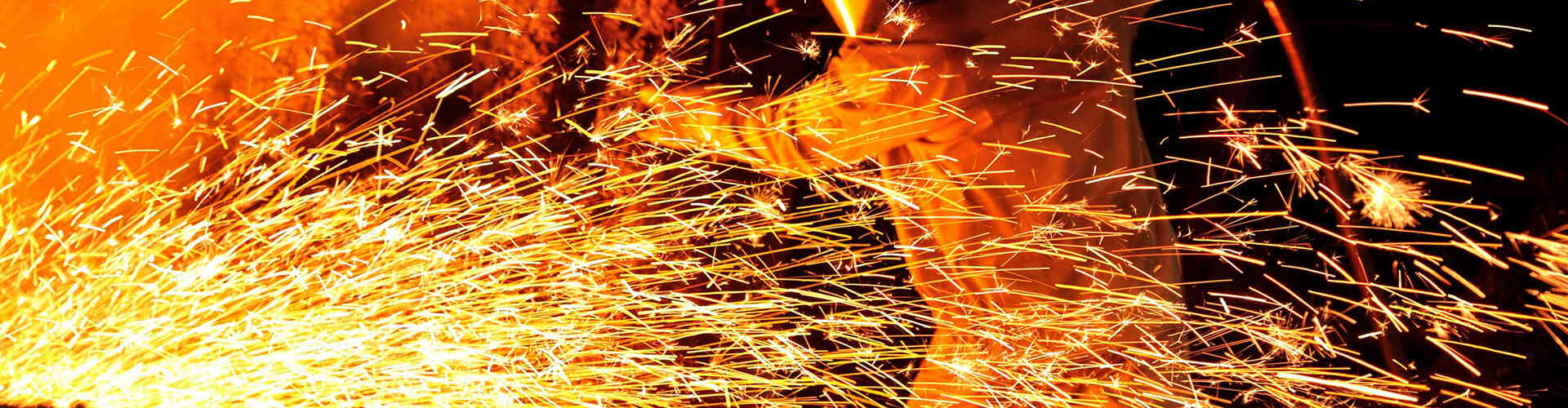
A Fire Sleeve is a high-temperature protective sleeve designed to protect hoses, cables, and wires from extreme heat, open flames, molten splash, and mechanical wear. It is commonly used in hydraulic machines, automotive systems, railway transportation, aerospace engineering, steel manufacturing, and heavy industry.
A standard Fire Sleeve consists of:
A braided fiberglass inner layer
A thick silicone rubber outer coating
This structure allows continuous heat resistance up to 260°C, cold flexibility at minus 70°C, and short-term flame resistance above 1090°C depending on coating thickness. As equipment becomes more complex and heat-intensive, Fire Sleeves are now essential for industrial safety.
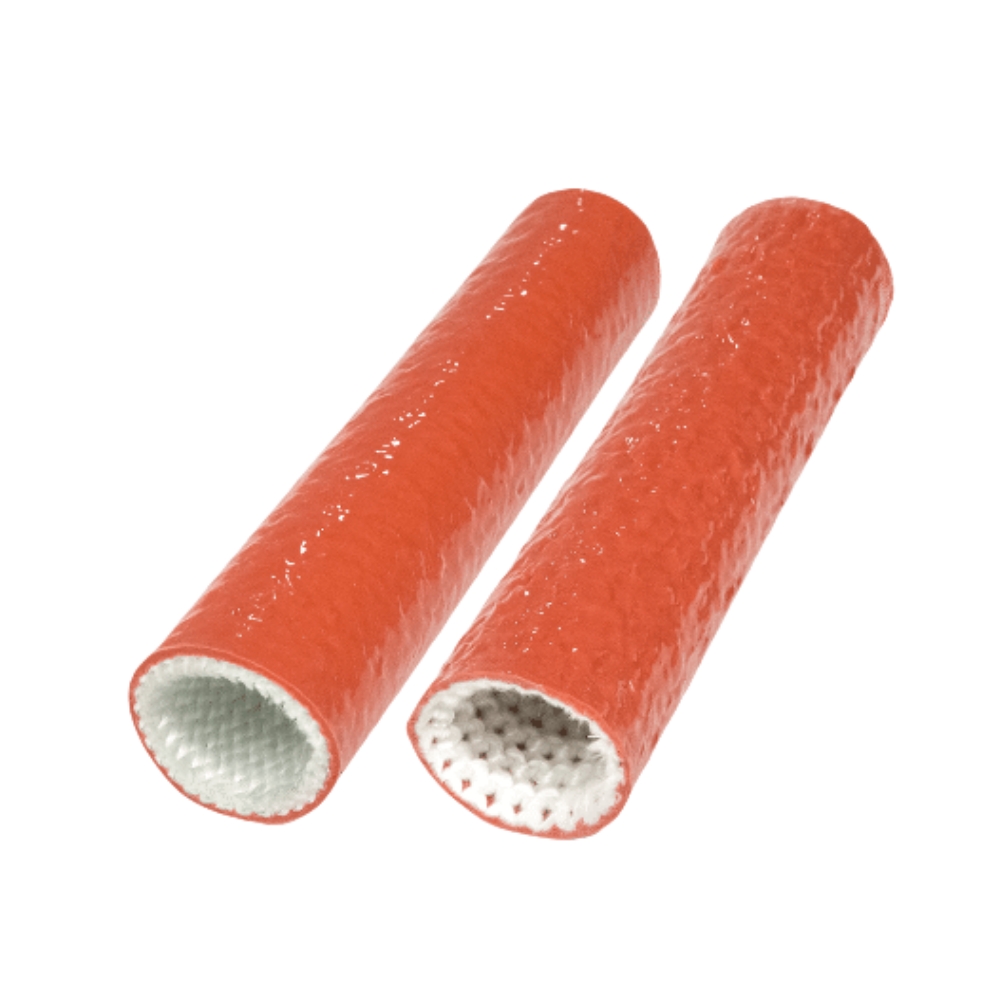
The combination of fiberglass and silicone provides thermal insulation, flame resistance, oil resistance, and abrasion protection.
Fire Sleeves offer protection by:
Reflecting radiant heat
Slowing heat penetration
Resisting direct flame exposure
Blocking oil and chemical spray
The silicone coating prevents molten metal from sticking to the surface, making it suitable for steel plants, foundries, and welding facilities.
General-purpose protection for hoses and cables.
Designed for extreme heat and molten splash environments.
Flexible and ideal for tight routing.
Suitable for on-site installation without equipment disassembly.
Prevents hose bursts from radiant heat or fire exposure.
Commonly used on fuel lines, brake lines, turbo systems, and wiring looms.
Complies with strict low-smoke and low-toxicity standards for public transportation.
Used for engine systems, turbines, and high-performance components.
Protects cables in steel mills, power plants, and chemical facilities.
Excellent flame and molten splash resistance
Longer equipment lifespan
Reduced risk of fire-related failures
Resistance to oil, chemicals, UV, and abrasion
Maintains flexibility at extremely low temperatures
Always measure the outer diameter to ensure the correct fit.
Thicker sleeves offer higher temperature and splash protection.
Add 5 to 10 percent extra length to accommodate movement and bends.
Measure the hose and cut the sleeve.
Slide the sleeve onto the hose or cable.
Seal both ends using clamps, silicone tape, or heat-shrink bands.
Selecting a sleeve that is too small
Leaving the ends unsealed
Overstretching the silicone layer
Many users confuse Fire Sleeves with Fiberglass Sleeves. Although both use fiberglass, their performance differs.
| Feature | Fire Sleeve | Fiberglass Sleeve |
|---|---|---|
| Outer Layer | Silicone coating | Uncoated or lightly coated |
| Continuous Temperature | 260°C | 540°C dry heat |
| Flame Protection | Excellent | Limited |
| Molten Splash Resistance | High | Low |
| Oil Resistance | Strong | Weak |
| Flexibility | Medium | High |
Fire Sleeves are ideal for high-risk environments such as flame exposure, molten metal, and oil spray. Fiberglass Sleeves are best for general heat insulation without flame exposure.
Our Fire Sleeves meet international standards for fire safety, smoke toxicity, railway compliance, abrasion resistance, temperature endurance, and chemical resistance.
MSHA Certification
UL 1441
ROHS
REACH
Minus 70°C Low Temperature Test
260°C Continuous Heat Resistance Test
DIN EN 45545-2:2020
DIN 45545 Low Smoke Toxicity
DIN 54837 and 5510-2 German Railway Standards
NF EN ISO 11925-2 (15 and 30 seconds)
TB/T 3138-2018 Chinese Railway Flame-Retardant Standard
Molten Splash Test (BS EN 373)
Abrasion Test (BS EN 388)
Oil Resistance Test (BS EN ISO 6530)
Tensile Strength Test (BS 2576)
Thermal Conductivity Test (ASTM C177)
Inspect sleeves every three to six months
Replace damaged or hardened sleeves
Clean with warm water
Ensure end seals remain tight
1. What temperature can a Fire Sleeve withstand?
Up to 260°C continuously, and higher during brief fire exposure.
2. Can Fire Sleeves protect against molten metal splash?
Yes, especially silicone-coated versions.
3. Can they be used on fuel or hydraulic lines?
Yes, Fire Sleeves are specifically designed for fluid systems.
4. Are Fire Sleeves waterproof?
The silicone surface provides excellent water and oil resistance.
5. How do I choose the right size?
Measure the hose outer diameter and select the closest matching inner diameter.
6. Do they meet railway standards?
Yes, our Fire Sleeves meet multiple international rail certifications.

No.10, Chuangxin North Road, Nanshan Park, Ningguo Economic and Technological Development Zone, Ningguo City, Anhui Province, China
Tel/Whatsapp : 0086-15856303740
Email : sales@bstbraidedsleeve.com
Skype : vanesa-cheng