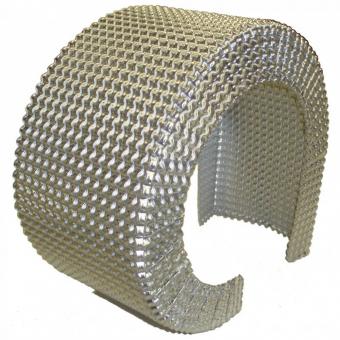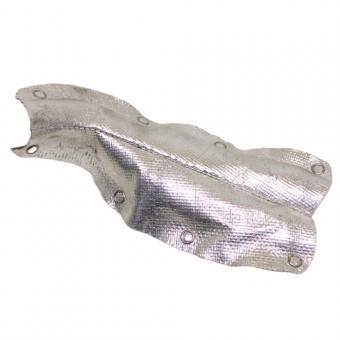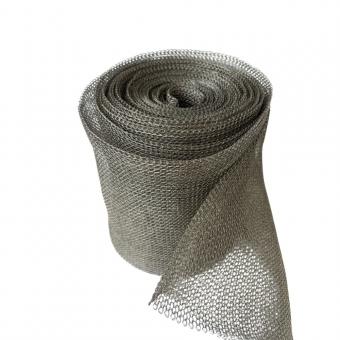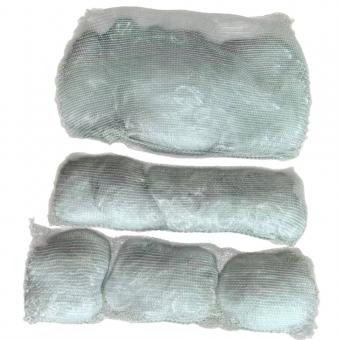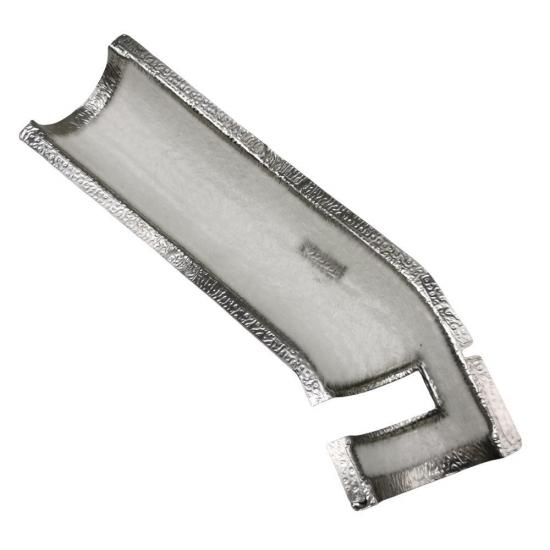
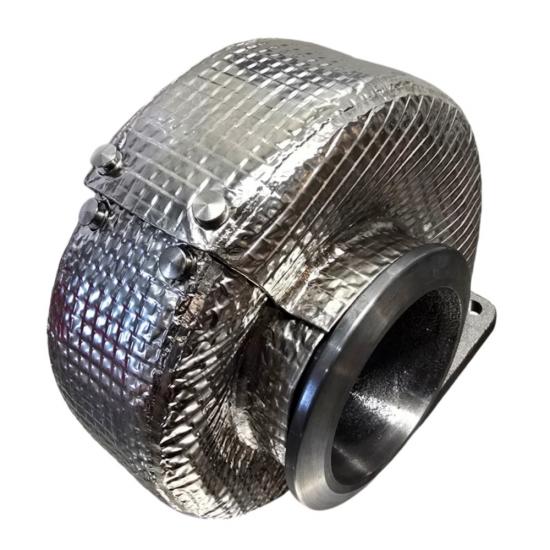
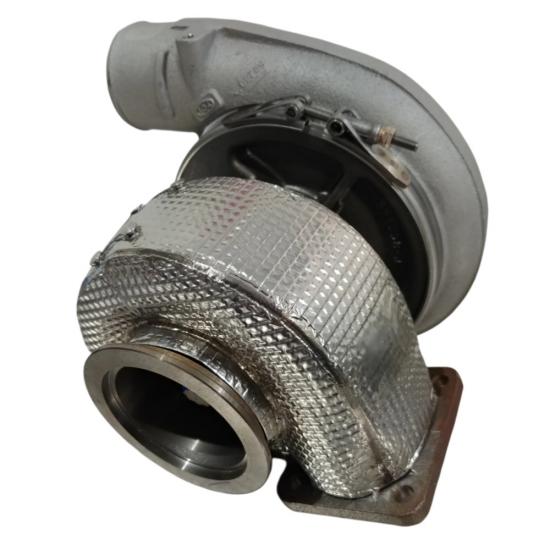
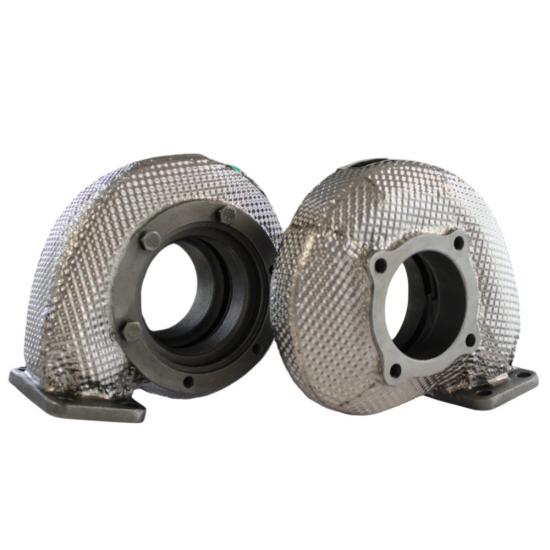
BSTFLEX manufactures stamped turbocharger heat shields for the hot side of automotive and industrial turbo systems. Each metal shield is formed around the available space, mounting points and components that need protection. Send a drawing, a sample or installation photographs so we can review the shape, material and attachment method for your project.
A metal shield shaped for the turbo installation
A turbocharger sits close to hoses, wiring, sensors and body panels. A rigid shield provides a defined barrier between these parts and the turbine housing or nearby exhaust hardware. Its performance depends on the installed geometry, including coverage, clearance, airflow and the way heat can travel through the mounting points.
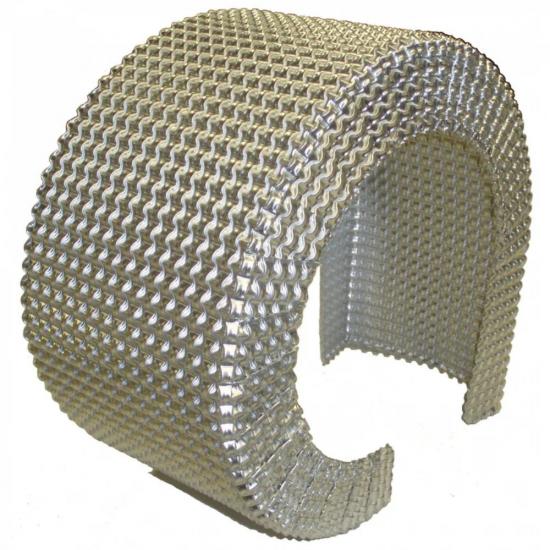
We can develop a stamped profile with formed ribs or embossed areas where the design calls for additional stiffness. Openings and edge shapes can be planned around the turbine inlet and outlet, wastegate hardware, actuators, sensors and service access. The final design must also leave room for thermal expansion and avoid contact with moving or heat-sensitive parts.
Construction options for OEM projects
| Design item | Project choices to define |
|---|---|
| Metal | Stainless steel is a common starting point for a shield near the turbine side. Other metals are reviewed against the actual location, temperature exposure, corrosion conditions and forming requirements. |
| Structure | A formed single metal shell, or an insulated metal assembly when the thermal target and available space call for it. Layer construction is agreed for the specific project. |
| Shape | Stamped contours, local embossing, beads, folds, cutouts and edge treatments based on the drawing and tooling plan. |
| Attachment | Mounting holes, brackets or other specified fixing features; the location and assembly method are checked against the actual turbo installation. |
| Supply | Prototype and repeat-production requirements, inspection points and packaging agreed during quotation. |
Material grade, sheet thickness, insulation, tolerances and temperature performance are specified against the application. A metal grade or a test temperature alone does not establish the temperature reached on the protected side of an installed shield.
Where the shield can be used
- Turbocharger turbine housing and adjacent hot-side components
- Engine bays with limited clearance around hoses, cables or sensors
- Turbo exhaust outlet and nearby body or equipment panels
- OEM engine assemblies, replacement programs and custom turbo installations
From sample to production part
For a new part, we first check the heat source, the parts being protected and the space available for a metal shield. We then review the drawing or sample for forming, mounting, edge safety and repeatable inspection. Prototype fit and thermal performance should be checked in the customer's actual assembly before a production specification is approved.
If the project also requires an exhaust manifold shield, see our exhaust manifold heat shield. For a formable metal starting material, see the embossed stainless steel heat shield sheet. Browse the metal stamping heat shields range for other formed components.
What to include in your RFQ
Please send a 2D drawing or 3D model if available, turbocharger and exhaust layout, required coverage, mounting locations, minimum clearances, expected thermal conditions, environmental exposure, target quantity and any test or inspection requirements. Photographs of the installed area and an existing part are useful when a drawing is not available. We will review the information and propose the next sampling step.
Frequently asked questions
Is this the same product as a turbo blanket?
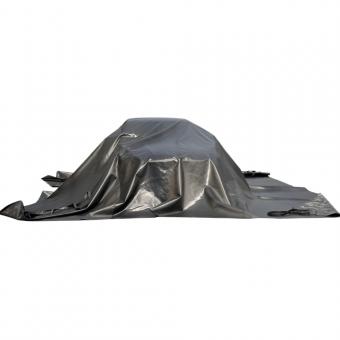
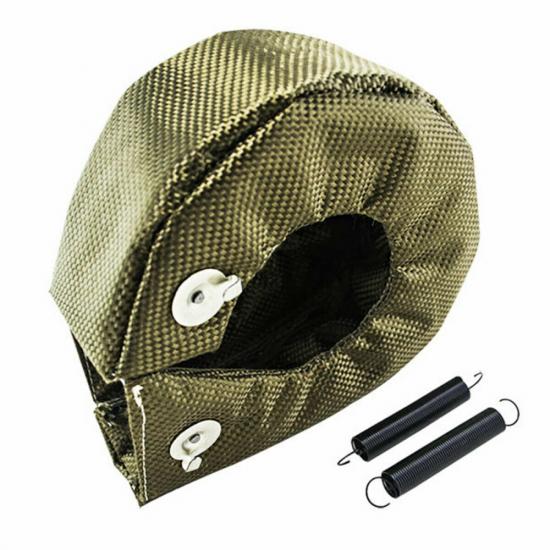
No. This page covers a rigid, formed metal heat shield with a defined mounting arrangement. A turbo blanket is a flexible insulation cover fitted around a turbine housing. The choice depends on the assembly layout and thermal objective.
Can you make a shield from an existing sample?
Yes. Send the sample or clear photographs with dimensions, mounting details and the intended application. A drawing or 3D model helps confirm critical fit points before tooling and sampling.
What temperature can the shield withstand?
There is no single rating for every stamped turbocharger heat shield. The metal grade, construction, distance from the heat source, airflow and duty cycle all affect the result. Share the operating conditions and the protected-side temperature target so the design can be evaluated.