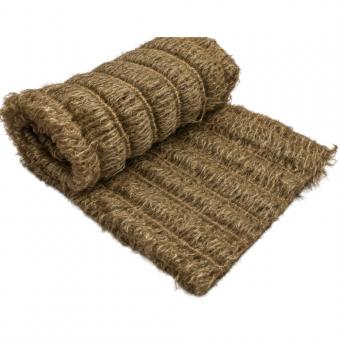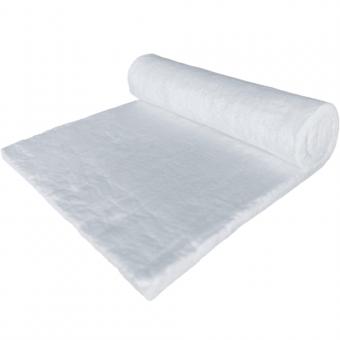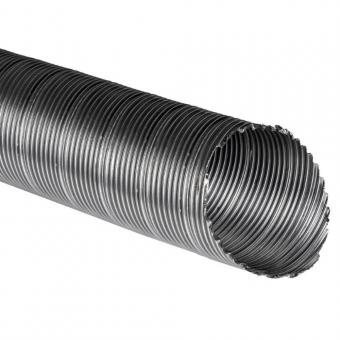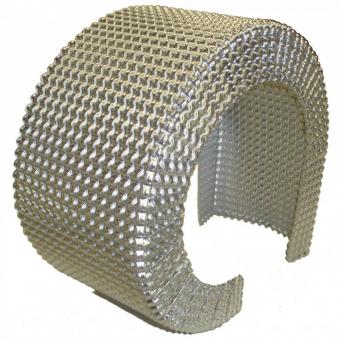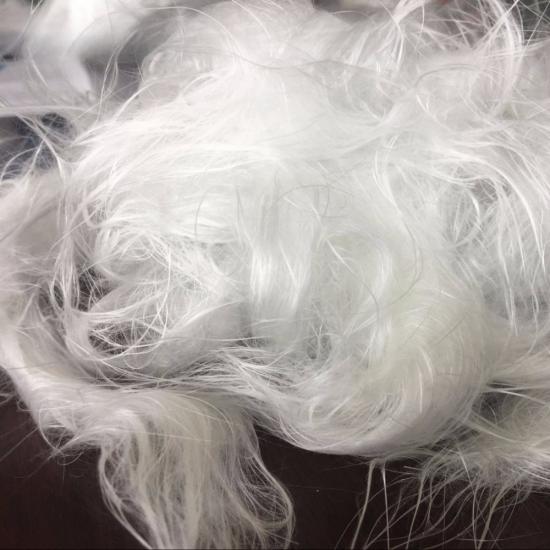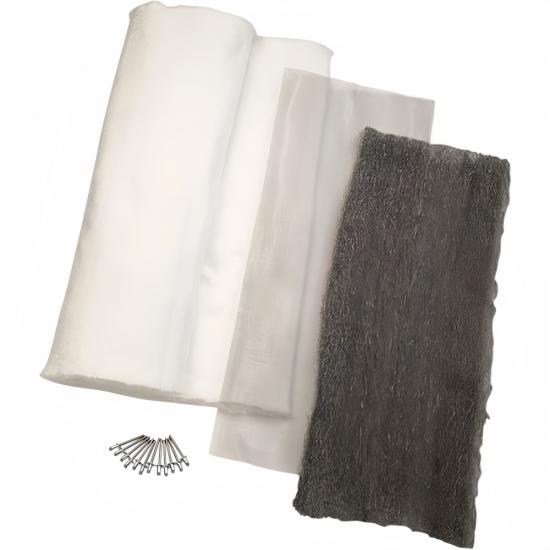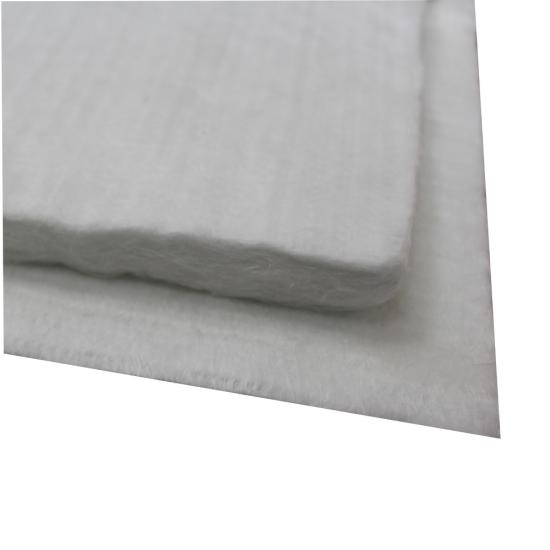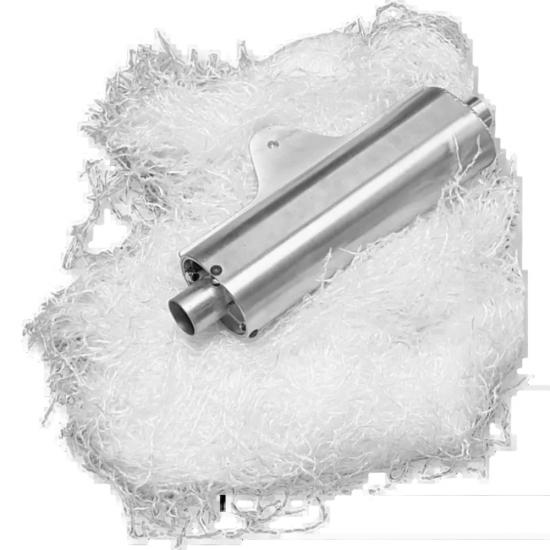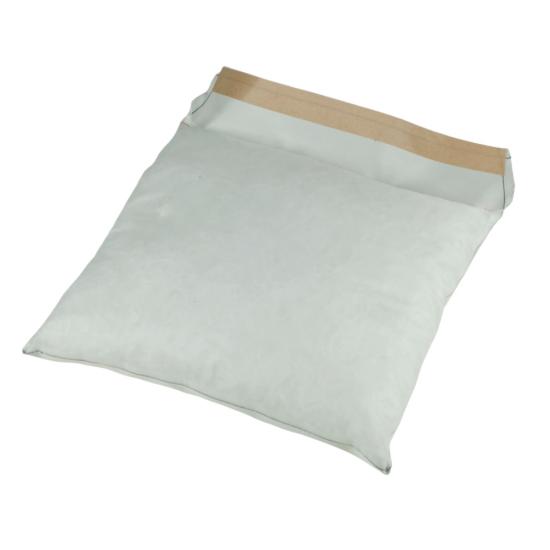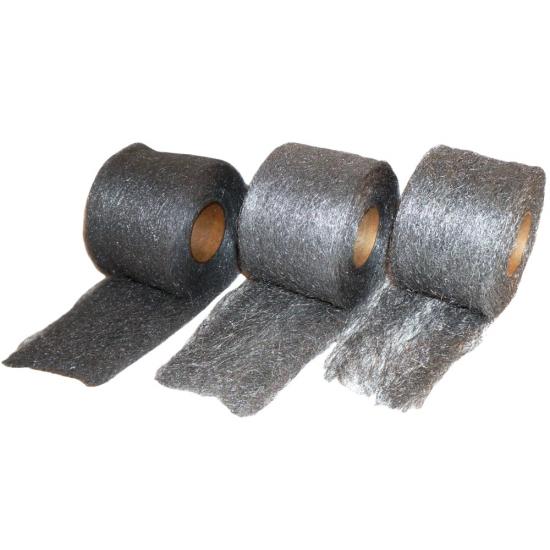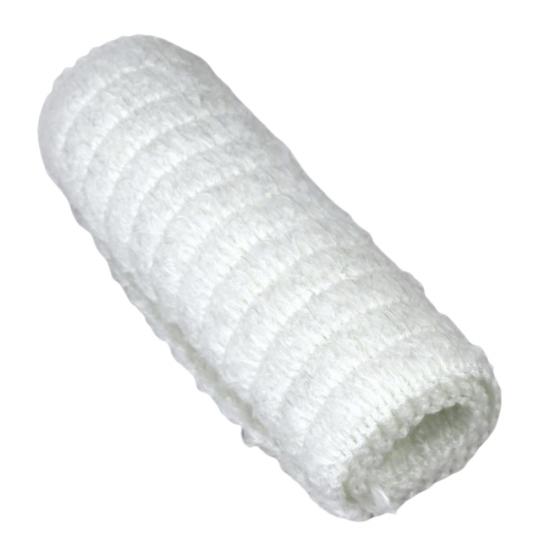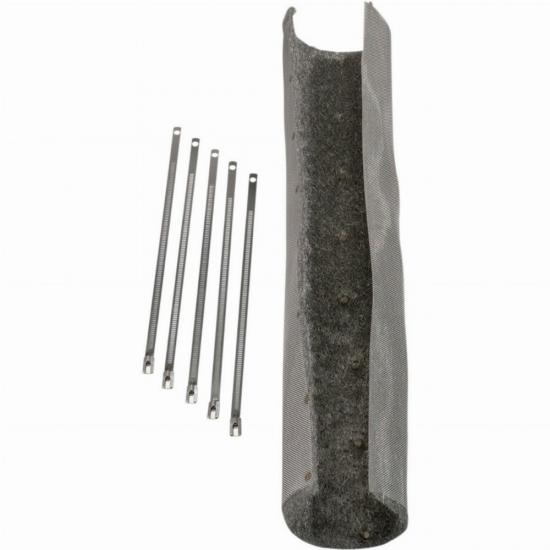


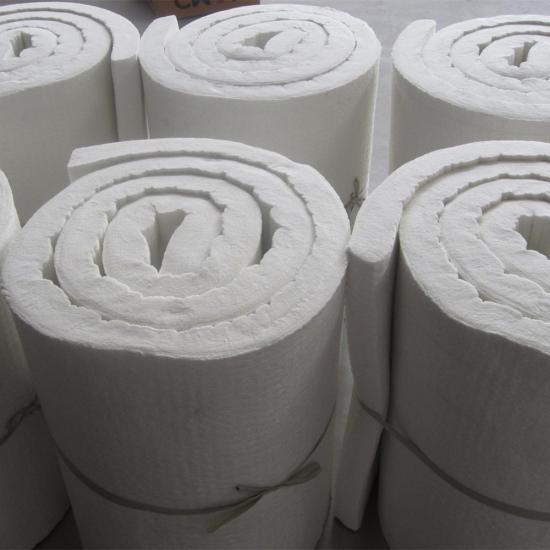
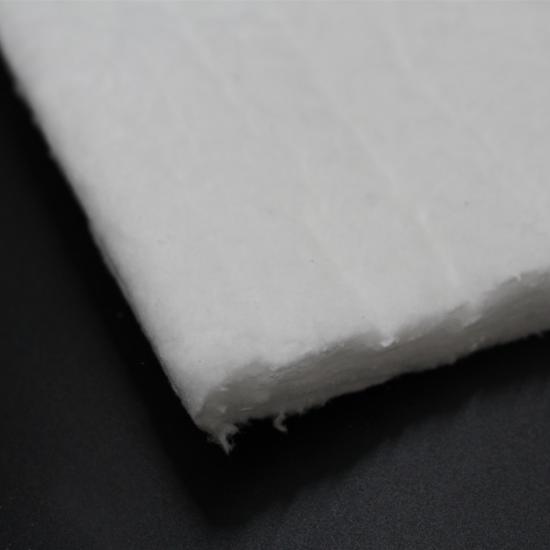
BSTFLEX Ceramic Fiber Muffler Packing Mat is a high-temperature acoustic and thermal filling material developed for absorptive exhaust silencers and mufflers. The flexible ceramic fiber mat can be wrapped around a perforated core, installed behind a perforated facing, or converted into cut pieces for repeat OEM assembly.
The product is intended for applications where ceramic fiber is specified because of severe heat exposure, thermal cycling or an existing approved exhaust design. Thickness, width, length, dry filling weight, density, cut pattern, packaging and private-label requirements can be customized according to drawings, samples or silencer dimensions.
For other fiber and metallic packing options, visit the BSTFLEX Muffler Packing range.
Quick Summary
| Product | Ceramic Fiber Muffler Packing Mat |
|---|---|
| Material | Ceramic fiber |
| Primary Function | Internal acoustic and thermal packing for approved absorptive mufflers and exhaust silencers |
| Supply Forms | Mat, sheet, roll, pre-cut piece or customized packing component |
| Typical Color | White or off-white |
| Thickness Options | 13 mm and 25 mm options can be discussed; other thicknesses are available according to the confirmed ceramic fiber grade and project requirement |
| Customization | Thickness, width, length, cut pattern, filling weight, packaging, label and private-label supply |
| Buyer Information Required | Core OD, shell ID or internal profile, packing length, operating conditions, material grade, target weight or existing sample |
What Is Ceramic Fiber Muffler Packing?
Ceramic fiber muffler packing is a fibrous high-temperature material installed in the acoustic cavity of a muffler or silencer that is specifically designed to use internal packing. In a typical absorptive construction, exhaust gas travels through a perforated core while acoustic energy passes through the perforations into the surrounding fibrous material.
The ceramic fiber packing occupies the space between the perforated component and the outer shell or perforated facing. It provides a porous structure for acoustic absorption while also tolerating the thermal environment specified for the selected ceramic fiber grade.
Buyers may also search for this product as:
- ceramic muffler packing;
- ceramic fiber silencer packing;
- ceramic exhaust packing;
- ceramic wool for exhaust silencers;
- ceramic silencer wool;
- exhaust silencer insulation wool;
- exhaust wool;
- wool for muffler silencer;
- high-temperature muffler packing;
- ceramic muffler packing mat.
For engineering and purchasing documents, the preferred description is ceramic fiber muffler packing mat because it identifies both the material and the supply form.
When Should Ceramic Fiber Packing Be Considered?
Ceramic fiber should be evaluated when the exhaust silencer design already specifies this material or when a validated fiberglass construction does not meet the project's thermal requirements.
Typical reasons for evaluating ceramic fiber include:
- severe continuous temperature at the packing location;
- short high-temperature excursions;
- repeated heating and cooling cycles;
- industrial or generator exhaust duty;
- high-temperature performance exhaust systems;
- an OEM specification requiring ceramic fiber;
- a replacement program based on an approved ceramic packing sample.
The highest-temperature material is not automatically the best choice for every muffler. Acoustic behavior, fiber stability, density, vibration, gas velocity, handling requirements, retention and cost should also be evaluated.
Material Grade Must Be Confirmed
The term ceramic fiber can refer to different high-temperature fiber families and product grades. A complete quotation should identify the actual ceramic fiber specification rather than relying only on the general product name.
For each project, confirm:
- fiber composition or material family;
- technical grade;
- classification or service-temperature data;
- continuous and peak exposure conditions;
- shrinkage or dimensional-change data where required;
- binder, stitching or support material;
- safety data and handling requirements.
A ceramic fiber classification temperature should not be treated as the guaranteed operating temperature of the complete muffler. Exhaust gas temperature, packing temperature and outer-shell temperature are different measurements.
Available Supply Forms
Ceramic Fiber Packing Mat
A flexible mat is suitable where the customer cuts and wraps the material around a perforated core or places it behind a perforated panel. The specification should include thickness, areal weight or density, cut dimensions and target material weight.
Ceramic Fiber Packing Sheet
Sheet-form supply allows repeat rectangular or shaped cutting. Buyers should define usable width, length, thickness and whether the material is supplied in standard sheets or custom pre-cut pieces.
Ceramic Fiber Packing Roll
Roll supply is suitable for exhaust manufacturers with an established cutting process. Specify roll width, total length or net material weight, core size, packaging and lot identification.
Pre-Cut Ceramic Muffler Packing
Pre-cut pieces can reduce line-side measuring and trimming. A drawing should define the finished width, length, shape, layer count, piece weight and part number.
Custom Preformed Packing
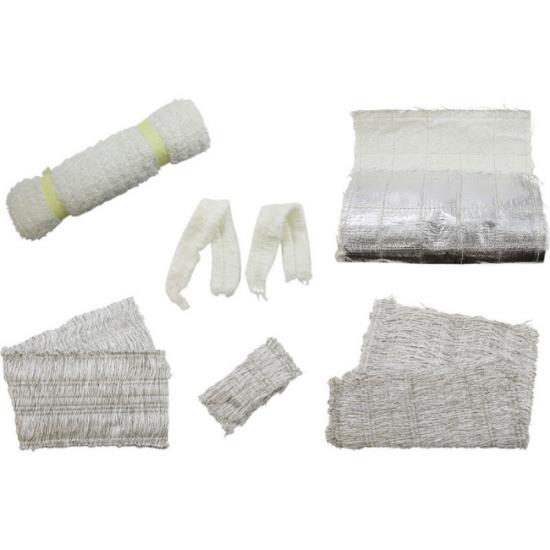
For repetitive OEM production, ceramic fiber can be reviewed as part of a fabricated packing component. The component may include a cover, stitching, retention layer or customer-specific geometry where these features are technically confirmed.
Technical Data
| Property | Specification Direction |
|---|---|
| Material | Ceramic fiber; exact grade to be confirmed for the project |
| Color | White or off-white |
| Supply Form | Mat, sheet, roll, pre-cut piece or custom component |
| Thickness | 13 mm and 25 mm options can be discussed; custom thickness according to project requirements |
| Width and Length | Standard or custom dimensions according to drawing, sample or cutting layout |
| Density / Areal Weight | To be specified according to ceramic fiber grade and approved silencer design |
| Temperature Capability | Depends on the confirmed ceramic fiber grade, exposure duration and measurement location |
| Cutting | Cut-to-size and shaped-cut options available for suitable projects |
| Packaging | Roll, flat sheet, shrink film, individual bag, carton or customer-specific packaging |
| OEM / ODM | Available according to dimensions, drawings, samples, weight targets and packaging requirements |
Important: Final dimensions, tolerances, density, temperature grade and packaging should be confirmed in the quotation or approved drawing. Do not use a general material-family value as the final product specification.
How Ceramic Fiber Packing Works in an Absorptive Silencer
In an absorptive exhaust silencer, the perforated core carries the main gas flow. Acoustic pressure waves pass through the openings and enter the surrounding packing region.
The fibrous ceramic structure creates a large internal surface area. Friction and viscous interaction within this porous structure convert part of the acoustic energy into small amounts of heat.
Effective performance depends on the complete silencer construction, including:
- core diameter and perforation pattern;
- packing depth;
- dry material weight;
- installed density;
- fiber grade and structure;
- retaining layers;
- exhaust temperature and gas velocity;
- muffler length and shell geometry.
The packing material alone does not determine the finished exhaust sound or guarantee a specific decibel reduction.
Specify Packing Weight and Installed Density
A ceramic fiber sheet should not be selected only by outside dimensions. Two pieces with the same length, width and thickness can contain different material quantities.
For a rectangular cut piece:
Piece weight = width × length × material areal weight.
For a defined silencer cavity:
Average installed density = dry ceramic fiber weight / net packing volume.
Use consistent units and exclude the volume of:
- the perforated core;
- stainless steel wool;
- retaining screens;
- partitions;
- brackets;
- other internal components.
These calculations convert an approved specification into a production quantity. They do not establish the correct packing density for a new design.
Calculate the Packing Volume for a Cylindrical Silencer
For a simple circular shell with a centered circular core:
V = π × (D2 - d2) × L / 4,000,000
when dimensions are in millimeters, where:
- V = theoretical packing volume in liters;
- D = inside diameter of the packing chamber;
- d = outside diameter of the excluded core or inner-layer envelope;
- L = effective packed length.
For oval, stepped, offset-core or irregular silencers, use the actual drawing or CAD cross-sectional area.
Ceramic Fiber vs Fiberglass, Basalt and Stainless Steel Wool
| Material | Typical Role in a Muffler | Primary Selection Question |
|---|---|---|
| Ceramic fiber | High-temperature acoustic and thermal packing where the selected ceramic grade is approved | Does the actual fiber grade meet the project's thermal, handling and acoustic requirements? |
| Fiberglass | Main acoustic filling in many motorcycle, automotive and performance silencers | Does the selected glass grade and construction meet temperature, gas-flow and service requirements? |
| Basalt fiber | Alternative mineral-fiber packing in selected high-temperature exhaust applications | Is the proposed basalt construction validated for the required packing form and duty? |
| Stainless steel wool | Metallic packing or core-side protective layer | Is it the main packing, a protective layer, or part of a multilayer construction? |
Ceramic fiber should not automatically replace fiberglass or basalt at the same weight or thickness. Material changes require evaluation in the complete silencer.
Core-Side Protection and Retention
High gas velocity and vibration can affect the material closest to the perforated core. Some silencers use stainless steel wool, wire cloth or a retaining screen as part of the packing system.
Relevant BSTFLEX products include:
- Stainless Steel Wool Exhaust Muffler Packing;
- Steel Wool Muffler Core Sleeve;
- Stainless Steel Exhaust Screen for Muffler Packing Retention.
These metallic components perform different functions from ceramic fiber. Their material, dimensions, mass and position should remain separate lines in the bill of materials.
Typical Applications
Ceramic fiber muffler packing can be evaluated for:
- high-temperature motorcycle exhaust silencers;
- performance and racing mufflers;
- automotive absorption mufflers;
- ATV and UTV silencers;
- snowmobile exhaust silencers;
- heavy-duty diesel mufflers;
- generator exhaust silencers;
- industrial engine exhaust silencers;
- custom fabricated absorptive silencers;
- replacement packing programs based on an approved ceramic fiber specification.
Use ceramic fiber only in a silencer section designed for fibrous packing. It should not be inserted into catalytic converters, DPF units, SCR substrates, reactive chambers, gas passages or wet marine mufflers unless the complete design specifically requires it.
OEM and Custom Manufacturing Options
BSTFLEX supports ceramic fiber muffler packing projects for exhaust manufacturers, distributors, performance exhaust brands and industrial silencer producers.
Customization can include:
- ceramic fiber grade;
- thickness;
- sheet width and length;
- roll dimensions;
- rectangular cut pieces;
- custom-shaped pieces;
- target dry weight;
- specified density or areal weight;
- part number and revision labels;
- individual packaging;
- barcode or QR code;
- private-label packaging;
- prototype and production quantities.
For drawing- or sample-based projects, visit the BSTFLEX OEM Muffler Packing Manufacturing Service.
Quality and Incoming Inspection
A repeat-order specification can include:
- material identity;
- fiber grade;
- thickness measurement method;
- width and length;
- piece or roll weight;
- areal weight or density where specified;
- visual condition;
- lot identification;
- pack quantity;
- required technical and safety documents.
Agree tolerances and sampling methods during sample approval. Do not create production tolerances from one random piece after delivery.
Installation and Handling Guidance
- Work only on a cold exhaust system.
- Follow the safety data sheet for the supplied ceramic fiber grade.
- Use suitable gloves, protective clothing, eye protection and respiratory controls where required by the workplace assessment.
- Control dust during cutting and removal.
- Use the approved cut size and dry filling weight.
- Distribute the material evenly within the intended packing cavity.
- Keep the perforated core bore and gas passages clear.
- Do not remove specified metallic liners or retaining screens.
- Do not pack the material as tightly as possible unless the approved specification requires that installed density.
- Validate the complete muffler after any material or construction change.
What Information Is Required for a Quote?
| RFQ Field | Information to Provide |
|---|---|
| Application | Motorcycle, automotive, racing, heavy-duty, generator or industrial silencer |
| Silencer Geometry | Core OD, shell ID or internal profile, packing length and drawing |
| Material | Required ceramic fiber grade or existing approved sample |
| Thickness | 13 mm, 25 mm or another required thickness |
| Dimensions | Sheet, roll or cut-piece width and length |
| Filling Requirement | Dry material weight, density or existing specification |
| Temperature | Continuous and peak values with measurement location |
| Retention | Steel wool, screen, cloth or another approved supporting layer |
| Quantity | Prototype quantity, production order and annual demand |
| Packaging | Bulk, individual pack, label, barcode or private-label requirements |
Frequently Asked Questions
What is ceramic fiber muffler packing used for?
It is used as internal fibrous acoustic and thermal packing in exhaust silencers that are specifically designed for ceramic fiber or another approved high-temperature packing material.
Is ceramic muffler packing better than fiberglass?
Not for every application. Ceramic fiber may offer a more suitable thermal grade for severe conditions, while fiberglass can be more appropriate for many standard exhaust silencers. The choice depends on the exact material, silencer geometry, temperature, gas flow, vibration, handling and validation requirements.
Can ceramic fiber packing be used in motorcycle exhausts?
Yes, where the motorcycle silencer is designed for fibrous packing and the selected ceramic fiber grade, thickness, weight and installation method are approved.
Is ceramic fiber silencer packing supplied as wool or mat?
It can be supplied as mat, sheet, roll, pre-cut piece or a customized component. The product form should be selected according to the customer's assembly process.
What thicknesses are available?
BSTFLEX can discuss 13 mm and 25 mm options, together with other project-specific thicknesses. Final availability and tolerances should be confirmed in the quotation.
How much ceramic muffler packing is required?
Use the approved dry material weight or installed density for the actual silencer. Where no specification exists, calculate the acoustic cavity and establish the filling quantity through prototype development and complete-silencer validation.
Can ceramic fiber replace fiberglass at the same thickness?
Matching thickness does not establish equivalence. The material grade, weight, density, fiber structure, retention and installed distribution can differ. Test and approve the proposed ceramic construction in the complete muffler.
Can BSTFLEX provide custom-cut ceramic muffler packing?
Yes. BSTFLEX can review custom thickness, width, length, cut pattern, filling weight, labels, packaging and private-label requirements for suitable OEM projects.
Request Ceramic Fiber Muffler Packing
Send BSTFLEX the silencer drawing, core diameter, shell dimensions, packing length, ceramic fiber requirement, operating conditions and order quantity.
When an existing specification is unavailable, provide an unused sample where possible and mark unknown values as development items. BSTFLEX can review sheet, roll, pre-cut and customized packing formats for prototype and production supply.
Request Ceramic Fiber Muffler Packing Samples and an OEM Quote