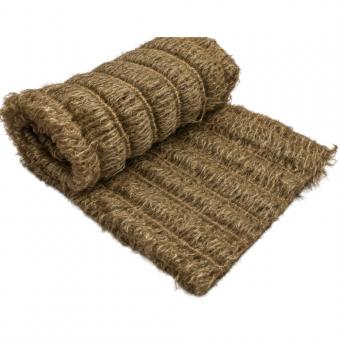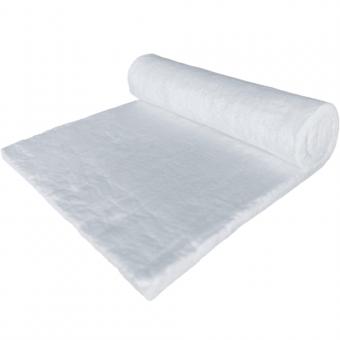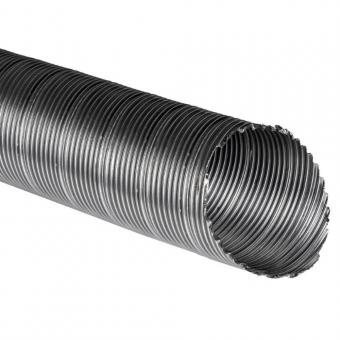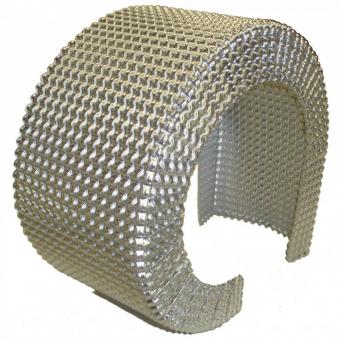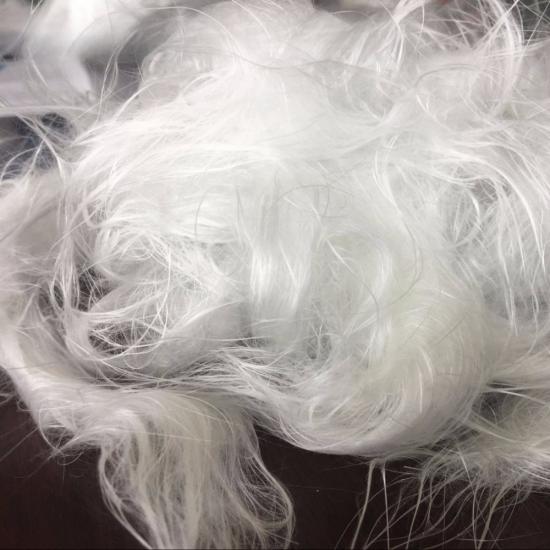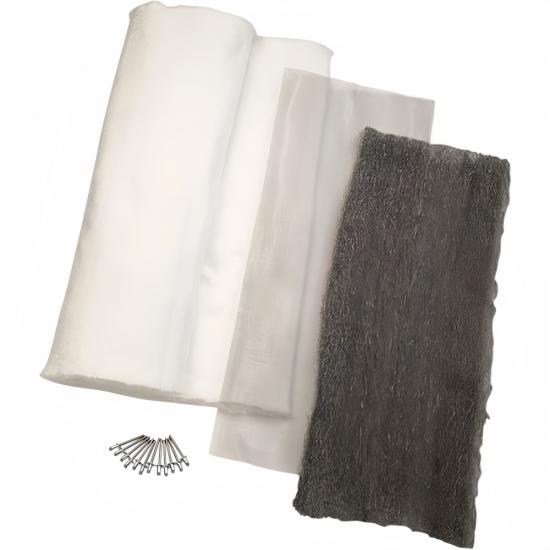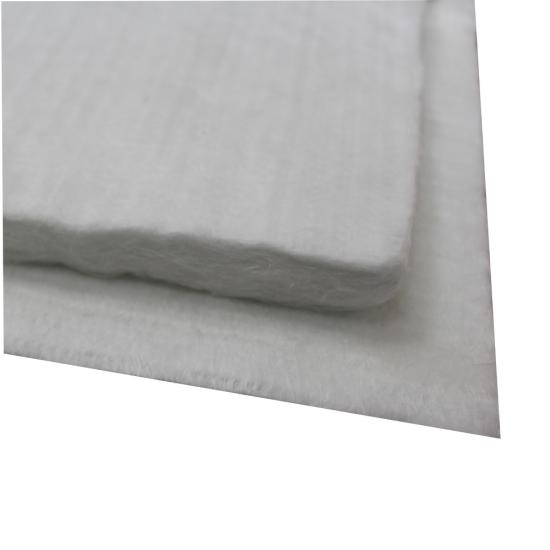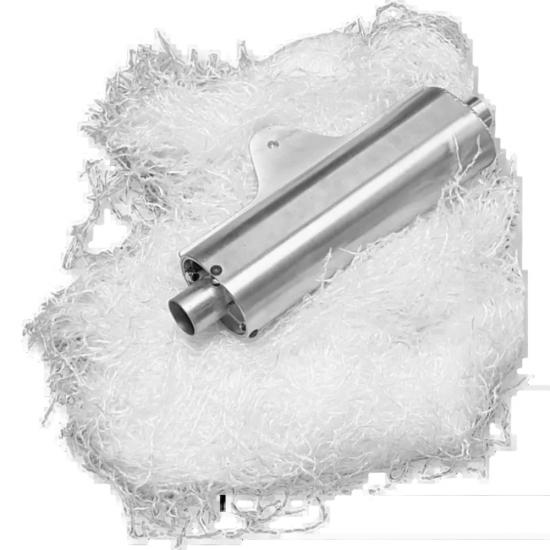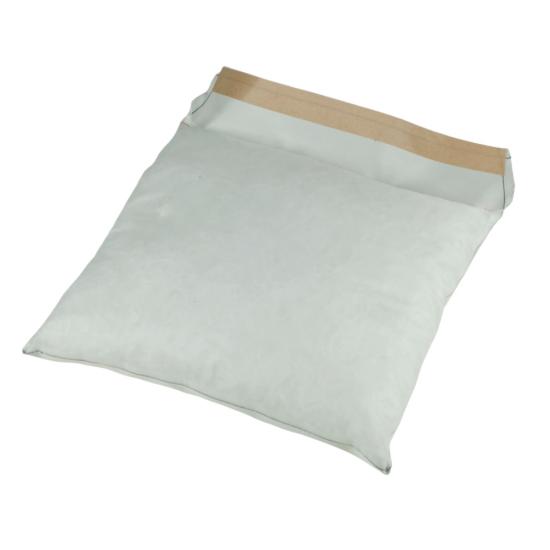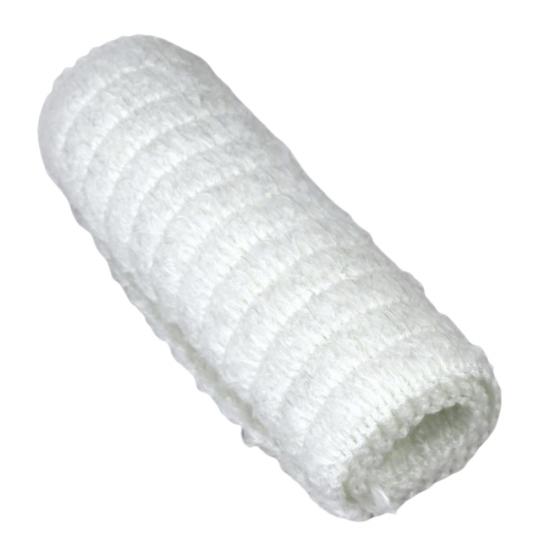
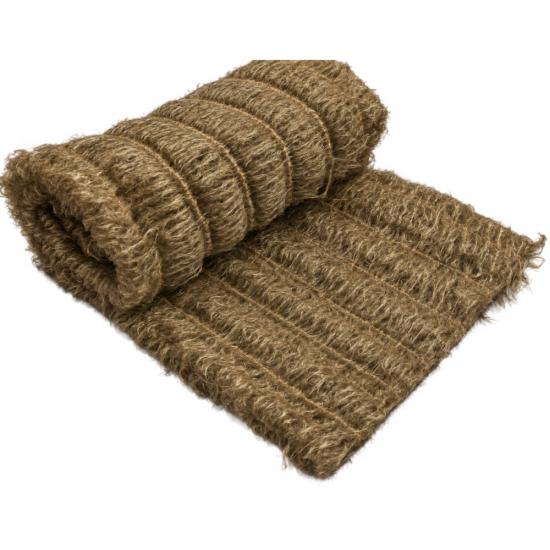

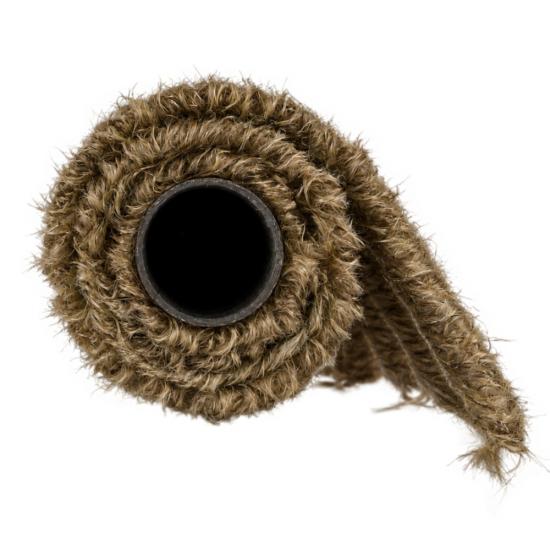


Basalt Fiber Expanding Muffler Packing Sheet is a compact, heat-released acoustic filling material for approved absorptive exhaust silencers. It is manufactured from texturized continuous-filament basalt yarn, compressed into sheet form and temporarily held by heat-responsive low-melting-point stitching.
During the approved initial heating cycle, the temporary stitching loses its restraining function. The bulked basalt fiber structure can then recover and expand into the space allocated to it inside the silencer. This makes the sheet easier to handle before installation while helping the released fiber conform to cylindrical, oval, tri-oval and other approved packing chambers.
BSTFLEX can supply custom widths, lengths, compressed thicknesses, fiber weights, cutting patterns, labels and packaging for exhaust manufacturers, motorcycle exhaust brands, distributors and industrial silencer producers. For other material forms, visit the BSTFLEX Muffler Packing range.
Quick Summary
- Material: Texturized continuous-filament basalt fiber yarn
- Construction: Compressed basalt fiber sheet held by heat-responsive low-melting-point stitching
- Release mechanism: Temporary stitching releases under approved heating conditions, allowing the bulked fiber structure to recover
- Primary function: Internal acoustic filling for approved absorptive exhaust silencers
- Product forms: Sheet, roll or pre-cut component according to project requirements
- Customization: Width, length, compressed thickness, fiber areal weight, cut pattern, part label and packaging
- Typical buyers: Exhaust manufacturers, performance exhaust brands, repacking-kit suppliers, distributors and industrial silencer producers
- Application basis: Drawing, cavity geometry, approved dry fiber charge, operating conditions and validation requirements
What Is Basalt Expanding Exhaust Packing?
Basalt expanding exhaust packing is a basalt-fiber acoustic material supplied in a restrained, compressed sheet rather than as free loose fiber or a conventional uncompressed mat. The compact sheet is easier to cut, wrap and position during assembly. Heat then releases the temporary restraint so the texturized fibers can recover their bulk within the available cavity.
The terms basalt fiber muffler packing sheet, basalt exhaust packing sheet, basalt silencer packing and self expanding basalt muffler packing may describe this product direction. The complete purchasing specification should still identify the basalt fiber grade, sheet construction, dry fiber quantity, dimensions and approved release conditions.
The word expanding does not mean that the material generates additional basalt fiber or behaves like a chemical foam. The change comes from recovery of the previously compressed texturized fiber structure.
Product Structure
| Structural Element | Function | What the RFQ Should Define |
|---|---|---|
| Texturized continuous basalt yarn | Provides the fibrous acoustic filling and recoverable bulk structure. | Basalt grade, yarn construction, fiber weight and required documentation. |
| Compressed sheet formation | Reduces initial handling volume and creates a repeatable installation form. | Compressed thickness, width, length and piece weight. |
| Heat-responsive stitching | Temporarily holds the compressed fiber structure during cutting and installation. | Thread type, stitch pattern and approved release conditions. |
| Cut or roll format | Matches the customer's assembly process and silencer geometry. | Roll width, cut length, custom profile, packaging and part identification. |
How the Heat-Release Mechanism Works
The basalt yarn is texturized to create a voluminous fiber structure, then compressed and stitched into a compact sheet. During installation, the sheet can be wrapped around a perforated core or positioned inside an open silencer body.
When the installed material reaches its specified release conditions, the temporary stitching softens or otherwise loses its restraining function. The compressed basalt yarn is then able to recover part of its bulk and occupy the accessible space around the core.
The release process should be distinguished from the continuous service capability of the basalt fiber:
- Release conditions relate to the temporary stitching and the initial expansion process.
- Continuous service conditions relate to the basalt fiber and the complete installed packing system.
- Peak exposure describes short-duration excursions and must include exposure time and measurement location.
Do not use a material's maximum temperature as the heating target for releasing the stitches. The correct initial heating procedure should be agreed for the actual product and silencer.
Basalt Expanding Sheet vs Fiberglass Expanding Sheet
The new basalt product uses the same general heat-released construction principle as the BSTFLEX Fiberglass Expanding Exhaust Packing Sheet, but the main fiber material is basalt rather than fiberglass.
| Comparison Point | Basalt Expanding Packing Sheet | Fiberglass Expanding Packing Sheet |
|---|---|---|
| Main fiber | Texturized continuous-filament basalt fiber yarn | Texturized continuous-filament fiberglass yarn |
| Supply condition | Compressed sheet held by temporary heat-responsive stitching | Compressed sheet held by temporary heat-responsive stitching |
| Selection basis | Actual basalt grade, thermal duty, fiber weight, geometry and validation | Actual glass grade, thermal duty, fiber weight, geometry and validation |
| Direct substitution | Matching dimensions or weight alone does not prove equivalence. Validate the selected material in the complete silencer. | |
Do not assume that the basalt version has the same release temperature, expansion ratio, areal weight, continuous temperature or acoustic result as the fiberglass version. Each material specification should be verified separately.
Basalt Expanding Sheet vs Basalt Loose Fill
The recently published Basalt Fiber Loose Fill Muffler Packing is supplied as free fibrous material that must be weighed and distributed during assembly.
| Purchasing Question | Basalt Expanding Sheet | Basalt Loose Fill |
|---|---|---|
| What reaches the assembly line? | A compact sheet, roll or pre-cut component. | A loose fiber charge or bulk package. |
| How is the material quantity controlled? | By sheet area, areal weight and cut-piece weight. | By dry fiber weight or metered filling quantity. |
| How is the material positioned? | Wrapped or placed according to an approved cut pattern. | Distributed into specified packing zones. |
| What changes during first heating? | The temporary stitch restraint releases and the compressed fiber can recover. | No heat-release sheet mechanism should be assumed. |
| Best suited to | Repeatable wrap or sheet-based assembly processes. | Controlled manual or metered filling of open or irregular cavities. |
Basalt Expanding Sheet vs Conventional Basalt Mat
A conventional basalt mat or sheet is not automatically heat-expanding. Its structure may be needled, bonded, stitched or otherwise formed to retain a relatively stable sheet condition.
The BSTFLEX Basalt Muffler Packing Mat should therefore remain a separate product direction from this expanding sheet.
The distinguishing features of the new product are:
- texturized continuous-filament basalt yarn;
- controlled compression before installation;
- temporary low-melting-point stitching;
- heat-released recovery after installation.
Do not use expanding, self-expanding or heat-released terminology for a conventional mat unless that structure has been confirmed.
Technical Data and Ordering Information
| Material | Texturized continuous-filament basalt fiber yarn |
|---|---|
| Construction | Compressed fiber sheet held by heat-responsive low-melting-point stitching |
| Product form | Sheet, roll or pre-cut component |
| Color | Natural basalt fiber color; actual appearance may vary by fiber grade and batch |
| Width | Custom according to production and silencer requirements |
| Length | Custom roll length or pre-cut length |
| Compressed thickness | Project-specific; define the measurement condition |
| Fiber areal weight | Project-specific and subject to material approval |
| Release conditions | Product-specific; confirm temperature range, exposure time and conditioning method |
| Continuous temperature | Dependent on basalt fiber grade and complete installed construction; confirm before approval |
| Custom options | Width, length, thickness, fiber weight, cut pattern, labels, barcode, packaging and private label |
| Supply type | Prototype, OEM, bulk, distributor and private-label production |
Specific temperature, density, expansion ratio and acoustic-performance values should be added only after the actual basalt grade and finished-sheet test data have been confirmed.
Specify Fiber Weight, Not Just Sheet Size
Two packing sheets with the same width and length can contain different quantities of basalt fiber. For repeat production, specify the dry basalt fiber weight or the approved mass per unit area.
For a rectangular cut piece:
Cut-piece mass = usable width × usable length × approved areal weight.
When width and length are entered in meters and areal weight is expressed in g/m2, the result is in grams.
Confirm whether the quoted areal weight refers to:
- basalt fiber only;
- basalt fiber plus temporary stitching;
- or the complete supplied sheet.
The same weight basis should be used for quotation, production control and incoming inspection.
Convert an Approved Fiber Charge into Cut Length
If the silencer already has an approved dry basalt fiber charge and the sheet has a confirmed usable width and areal weight:
Cut length = required dry fiber mass / (usable width × approved fiber areal weight).
This calculation determines a nominal cut length. It does not prove that the cut piece will fit, release correctly or distribute evenly in the complete silencer.
Include overlap, trimming and shaped sections in the approved cutting layout rather than changing the quantity by visual judgment during assembly.
Design the Cut Pattern Around the Silencer
Provide the following information for custom cutting:
- perforated core outside diameter;
- shell inside diameter or internal profile;
- effective packing length;
- core offset;
- oval or tri-oval geometry;
- stepped or divided chambers;
- end clearances;
- core-side stainless steel wool or screen layers;
- insertion direction;
- required seam or overlap position.
For a circular core, circumference can provide an initial geometric reference:
Core circumference = π × outside diameter.
The final cut dimension must also account for inner layers, overlap, compression and the approved installation method.
Oval and Tri-Oval Silencer Cavities
One advantage of a heat-released packing sheet is that the compact material can be positioned before the bulked fiber structure recovers.
For oval, tri-oval or offset-core silencers, evaluate:
- narrow radial clearances;
- wider side cavities;
- end pockets;
- internal brackets;
- seam location;
- restricted paths that fibers cannot cross after release.
Heat release should not be expected to move fiber through a solid partition or around every obstruction. Separate packing zones may require separate cut pieces or filling charges.
Installation Guidance
- Confirm the approved material and cut pattern. Verify fiber grade, cut dimensions and target piece weight before installation.
- Keep the temporary stitching intact. Do not remove the heat-responsive stitching unless the product-specific instruction requires it.
- Wrap or position the sheet evenly. Follow the approved orientation, seam and overlap arrangement.
- Use only approved temporary restraints. Extra wire, tape or adhesive can prevent the intended release if it remains too restrictive.
- Check the cold assembly. Confirm that the packed core can enter the shell without unplanned trimming or excessive force.
- Complete the silencer assembly. Preserve all approved metallic liners, screens, drains and gas passages.
- Apply the approved initial heating cycle. Do not use a universal idle time or open-flame preheating method.
- Verify release during development. Inspect an agreed sample after safe cooling or use another approved verification method.
Core-Side Protection and Retention
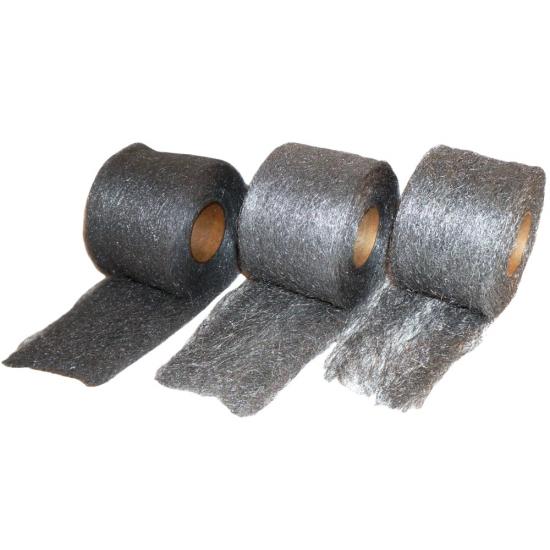
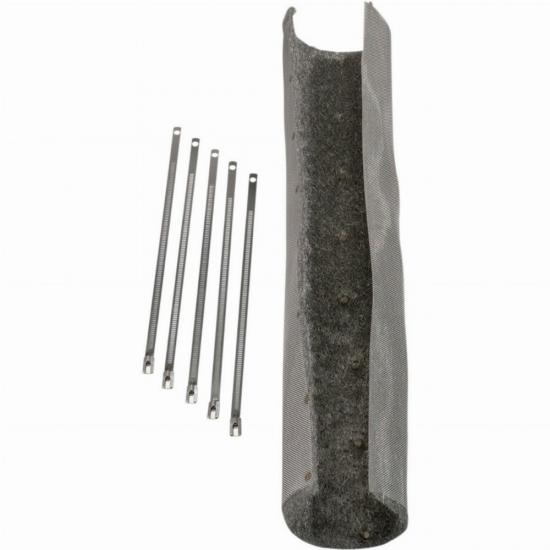
Some silencer designs use stainless steel wool beside the perforated core and a retaining screen around the main acoustic packing.
BSTFLEX supplies:
- Stainless Steel Wool Exhaust Muffler Packing;
- Stainless Steel Wool Rolls;
- Steel Wool Muffler Core Sleeves;
- Stainless Steel Exhaust Screens.
Do not assume that the expanding basalt sheet automatically eliminates these components. The required layer arrangement should come from the approved silencer design.
Applications
The product may be evaluated for approved absorptive silencers used in:
- motorcycle exhaust systems;
- ATV and UTV silencers;
- motocross and racing exhausts;
- automotive performance mufflers;
- heavy-duty diesel exhaust systems;
- generator exhaust silencers;
- industrial engine silencers;
- construction and agricultural equipment;
- dry marine exhaust silencers;
- custom OEM exhaust programs.
Application names alone do not confirm suitability. The material grade, release behavior, filling weight, geometry and operating conditions must be reviewed for the actual project.
OEM and Private-Label Options
BSTFLEX can develop expanding basalt packing sheets for prototype and repeat production.
Customization may include:
- custom sheet width;
- custom roll or cut length;
- compressed thickness;
- fiber areal weight;
- dry fiber weight per cut piece;
- rectangular or shaped cut patterns;
- part-number labels;
- barcode and QR code;
- individual packaging;
- customer brand packaging;
- carton and pallet quantities.
For drawing- and sample-based development, visit Muffler Packing Manufacturer for OEM Exhaust Silencers.
Incoming Inspection
| Inspection Item | What to Verify |
|---|---|
| Material identity | Approved basalt fiber and product reference |
| Sheet dimensions | Width, length and shaped profile according to drawing |
| Compressed thickness | Value measured under the agreed condition |
| Piece weight or areal weight | Approved value and weight basis |
| Stitching | Correct pattern, continuity and no unapproved repair |
| Material condition | No unacceptable moisture, contamination or handling damage |
| Identification | Part number, drawing revision and lot or batch reference |
| Packaging | Correct quantity, label and protection during shipment |
Agree tolerances, measurement methods and sampling plans during sample approval. Do not infer production tolerances from nominal catalog values.
Information Required for a Quote
- silencer or muffler application;
- basalt fiber grade or existing material reference;
- perforated core outside diameter;
- shell internal dimensions or cross-section;
- effective packing length;
- approved dry fiber charge or target density, if known;
- required sheet width and cut length;
- compressed thickness or areal weight, if specified;
- release and operating temperature data with measurement location;
- core-side wool, screen or other retention layers;
- prototype quantity;
- monthly or annual demand;
- label and packaging requirements.
Unknown values can be marked as development items. They should not be replaced by unverified assumptions from another basalt or fiberglass product.
Frequently Asked Questions
What is a basalt fiber expanding muffler packing sheet?
It is a compressed sheet made from texturized continuous-filament basalt yarn and temporarily held by heat-responsive stitching. During the approved initial heating cycle, the restraint releases so the bulked fiber structure can recover inside the silencer cavity.
Is basalt expanding exhaust packing the same as basalt loose fill?
No. The expanding sheet is a compact cut or roll material installed according to a layout. Loose fill is weighed and distributed into the cavity during assembly.
Is this product the same as a conventional basalt mat?
No. A conventional mat is not automatically heat-released. This product specifically uses compressed texturized basalt yarn and temporary low-melting-point stitching.
Does every basalt expanding sheet use the same release temperature?
No. Release behavior depends on the actual thread, stitching construction and product specification. Confirm the approved release conditions for the supplied material.
Can the sheet be cut to custom dimensions?
Yes. BSTFLEX can review custom widths, lengths, cut patterns, piece weights and packaging for suitable OEM and distributor projects.
Can it replace a fiberglass expanding packing sheet?
Do not approve the replacement from dimensions or equal weight alone. Compare fiber grades, thermal conditions, release behavior, installed distribution and complete-silencer validation.
Does the expanding basalt sheet eliminate stainless steel wool?
Not automatically. Use the metallic core-side layer or retaining screen specified by the approved silencer design.
How much expanding basalt packing should be installed?
Use the approved dry fiber charge, areal weight and cut pattern for the actual silencer. Expansion does not compensate for an insufficient material quantity.
Request Basalt Expanding Muffler Packing Samples
Send BSTFLEX the silencer drawing, core dimensions, packing length, required basalt grade, approved fiber charge and expected order quantity. State whether you need roll material, standard sheets, pre-cut rectangles or custom-shaped components.
Request Basalt Fiber Expanding Muffler Packing Sheet Samples and an OEM Quote