Mining Thermal Protection Solutions
Mining equipment operates under extreme duty cycles—high engine and exhaust temperatures, abrasive dust, vibration, tight hose routing,
and harsh outdoor exposure. Without the right thermal and abrasion protection, hydraulic hoses, wiring harnesses, and nearby components
can degrade quickly, causing downtime and safety risk.
BSTFLEX provides thermal protection products for mining applications to help reduce heat transfer, improve durability, and extend service life.
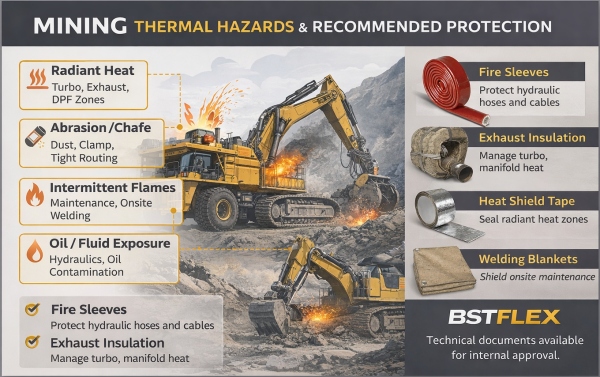
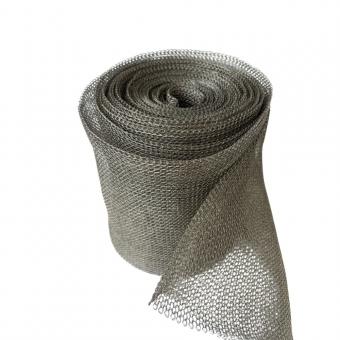
Recommended Product Families for Mining
Typical Thermal & Mechanical Risks in Mining
-
High radiant heat: turbo, exhaust manifold, DPF zones, hot piping, and engine bays can heat-soak nearby hoses and harnesses.
-
Abrasion and chafing: dust, debris, and vibration accelerate wear at clamps, brackets, and tight routing points.
-
Hydraulic safety risk: heat and abrasion can weaken hoses and increase the risk of leakage in hot zones.
-
Outdoor exposure: moisture, oil contamination, and temperature cycling reduce service life of unprotected components.
-
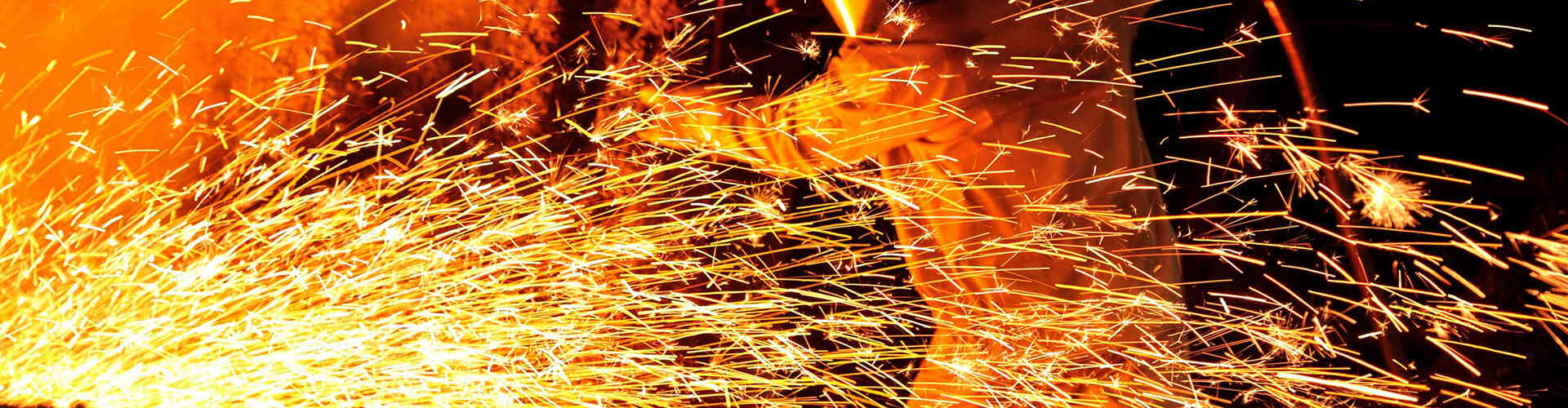
Maintenance heat: repair and on-site welding operations create sparks/spatter risks to nearby equipment.
Where Thermal Protection Is Used on Mining Equipment
Mining fleets often require protection across multiple systems. Common protection points include:
-
Hydraulic hoses and fittings: protect against heat and intermittent flame risks using fire sleeve solutions, especially near exhaust routing and hot surfaces.
-
Wiring harnesses and sensor lines: reduce thermal exposure and prevent chafe damage using properly selected sleeves and barriers.
-
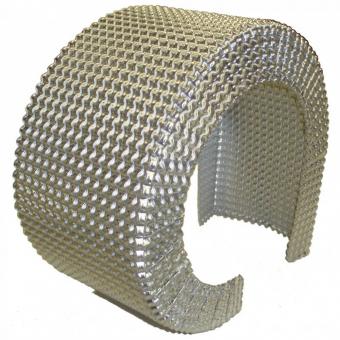
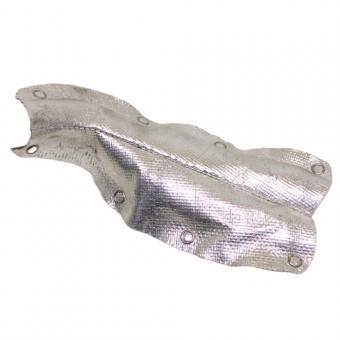
Turbo/exhaust proximity zones: manage heat transfer using exhaust insulation solutions to reduce radiant heat to adjacent components.
-
Localized hot spots: seal edges and protect specific areas using heat shield tapes and barriers.
-
Maintenance operations: protect the work area and equipment during repair using welding protection blankets.
Selection Guide for Mining Applications (Fast Decision Points)
-
Temperature profile: continuous and peak temperature; radiant vs contact heat exposure.
-
Primary failure mode: abrasion/chafe vs heat soak vs intermittent flame risk.
-
Space constraints: thickness limit, bend radius, routing constraints, clamp locations.
-
Environmental exposure: oils, hydraulic fluid, water, dust; cleaning and maintenance requirements.
-
Installation method: slip-on sleeve, wrap-around format, tape-and-barrier system, or insulation coverage.
-
Documentation: CoC, inspection reports, SDS/MSDS, compliance declarations where applicable.
For our inspection workflow and traceability, see: Quality Guarantee.
For compliance evidence and certificates, see: Certifications.
For cut-to-length, shaped parts, and program packaging support, see: Custom Capabilities.
RFQ Checklist for Mining Programs
To speed up recommendation and quoting, please include:
-
Equipment type and location of protection point (engine bay, exhaust routing, hydraulic cluster, harness zone)
-
Temperature range (continuous and peak) and distance to heat source
-
Hose/cable size (ID/OD), length, and routing constraints; drawings if available
-
Main risk: abrasion/chafe, radiant heat, contact heat, intermittent flame or welding maintenance exposure
-
Quantity and target delivery schedule; packaging/labeling requirements
-
Required documents: CoC, inspection report, SDS/MSDS, RoHS/REACH, test reports (as applicable)
Frequently Asked Questions (FAQ)
Q1. What is the best way to protect hydraulic hoses near exhaust components?
Start with fire sleeve solutions for hoses in hot zones and combine with exhaust insulation solutions to reduce radiant heat from the source.
Q2. How do I reduce abrasion damage at clamps and routing points?
Identify chafe points and select a sleeve or wrap format that matches movement and abrasion intensity. Provide routing photos or drawings so we can recommend the best construction for durability.
Q3. Can heat shield tapes be used on mining equipment?
Yes. Heat shield tapes and barriers are commonly used for localized protection, edge sealing, and targeted radiant heat control where a full sleeve or blanket is not practical.
Q4. Do you support documentation such as CoC and inspection reports?
Yes. CoC (upon request) and agreed inspection reports can be supported. For details, see Quality Guarantee and Certifications.
Q5. What information do you need to recommend the correct product?
Temperature profile, primary exposure (heat vs abrasion), hose/cable size, routing constraints, and any fluid/oil exposure. If possible, include photos of the installation area.
Q6. Can you supply custom sizes or special packaging for fleet programs?
Yes. We support cut-to-length formats, shaped parts, and program packaging/labeling. See Custom Capabilities and include your requirements in the RFQ.
Request a Recommendation
Tell us your equipment type, thermal exposure, abrasion points, and hose/cable sizes. We will recommend the right product family and provide a fast quotation.
Request a Quote Download Technical Documents
Back to Industries: Industries We Serve