What are you looking for?
A hot exhaust pipe can create a much larger thermal problem than its diameter suggests.
In a vehicle, generator enclosure, marine engine room or industrial machine, the pipe may run only a few centimeters away from electrical wiring, hydraulic hoses, fuel lines, body panels, sensors or service areas. Once the exhaust system reaches operating temperature, that small clearance can become the critical point in the entire thermal design.
This is where exhaust pipe insulation becomes necessary.
The correct insulation system does more than cover a hot pipe. It must control heat while surviving vibration, repeated thermal cycling, contamination, movement and maintenance.
For this reason, choosing insulation by temperature rating alone is rarely sufficient.
BSTFLEX develops exhaust heat shield insulation for automotive, diesel, marine, generator and industrial exhaust systems, including removable pipe blankets, lagging, heat wraps, flexible sleeves and metal thermal barriers.
Before selecting an insulation material, determine what problem needs to be solved.
An exhaust pipe may need insulation because:
a nearby wiring harness is overheating;
the enclosure temperature is too high;
operators are exposed to hot surfaces;
heat is reaching a fuel or hydraulic line;
a vehicle floor is receiving excessive radiant heat;
an engine room has insufficient ventilation;
the exhaust pipe must retain more heat downstream;
surrounding equipment cannot tolerate the current temperature.
These are different problems.
They may require different insulation systems even when the exhaust pipe temperature is identical.
For example, protecting a vehicle floor from radiant heat may favor a reflective shield, while reducing the external surface temperature of a generator exhaust pipe may require a thick removable insulation blanket.
Exhaust pipe insulation generally falls into four practical categories.
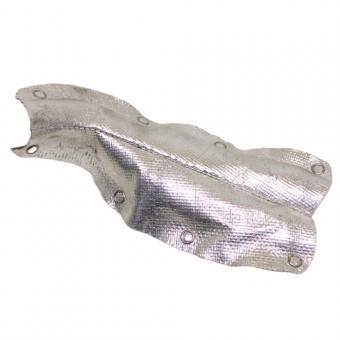
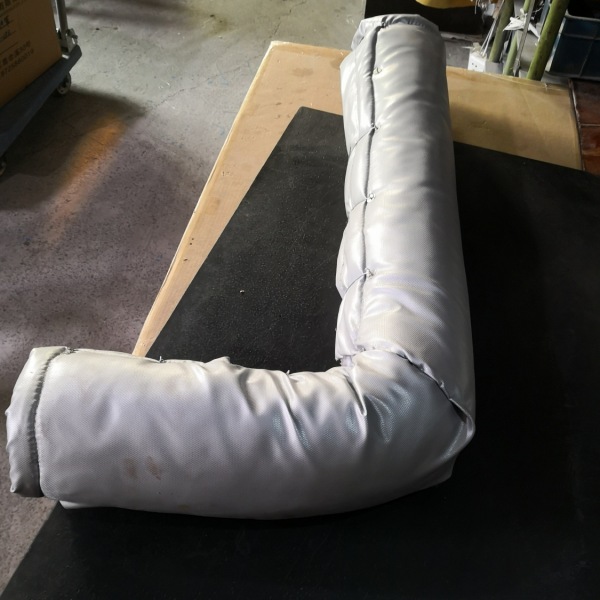
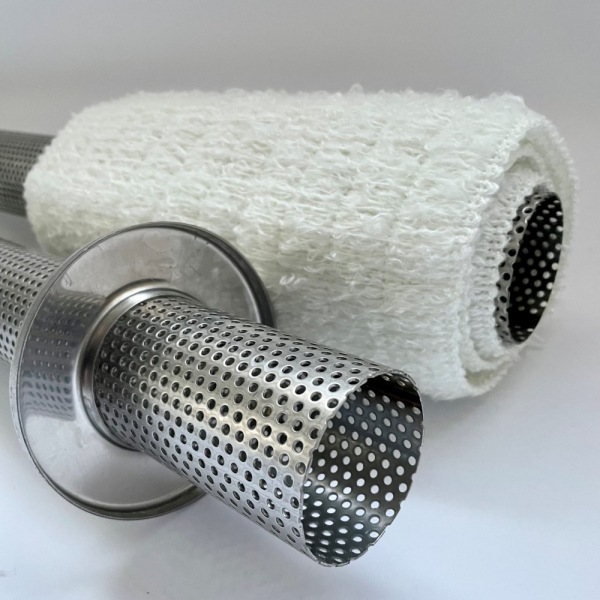
A removable blanket is fabricated to fit a particular pipe diameter or exhaust geometry.
It normally contains:
an internal heat-resistant layer;
thermal insulation;
an external protective layer;
mechanical fastening.
This construction is particularly suitable when maintenance access matters.
Typical installations include:
diesel generators;
marine engines;
industrial engines;
large exhaust pipes;
silencers;
exhaust elbows.
The blanket can be manufactured as several sections rather than one long piece, allowing technicians to remove only the section required for inspection.
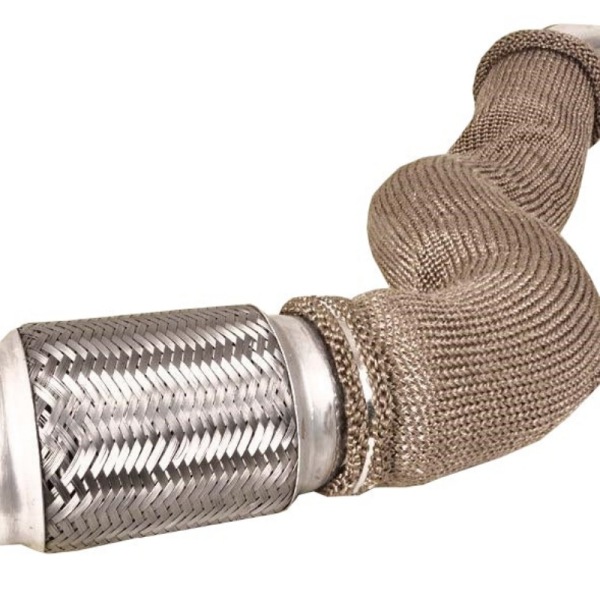
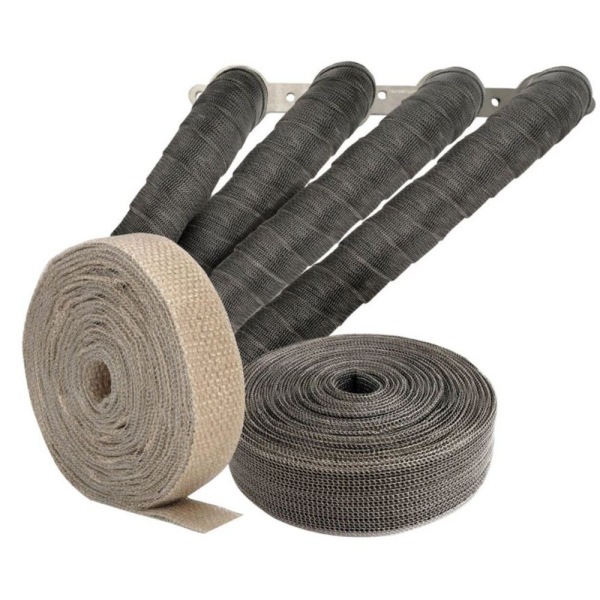
Exhaust wrap is supplied in rolls and spirally wound around the pipe.
It is widely used for:
automotive headers;
motorcycles;
performance exhaust systems;
small-diameter exhaust tubes;
custom exhaust fabrication.
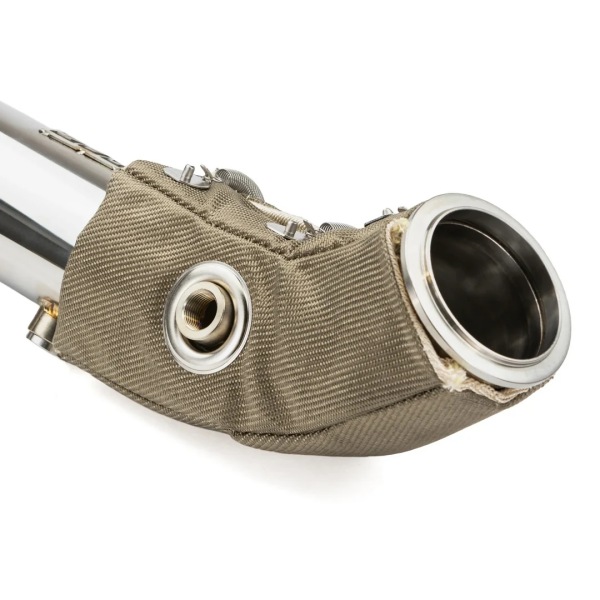
BSTFLEX supplies Exhaust and Header Heat Wrap in different high-temperature fiber constructions.
Wrap provides a simple way to insulate long tubular surfaces, but it is less convenient when the exhaust system must be opened regularly for servicing.
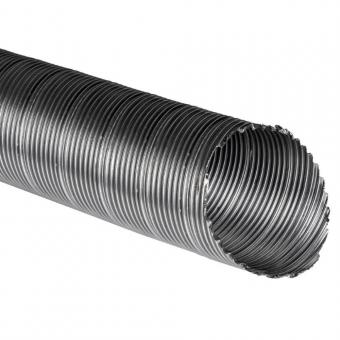
Some exhaust lines require a sleeve-type solution instead of a fabricated blanket.
Flexible lagging can be installed over smaller exhaust pipes where the diameter and geometry are relatively simple.
For example, the BSTFLEX Diesel Heater Exhaust Insulation Lagging is designed for compact exhaust piping used in applications such as diesel heating systems.
Sleeve and lagging solutions can be particularly useful where:
installation space is limited;
the pipe is relatively small;
continuous coverage is required;
a rigid shield would be difficult to install.
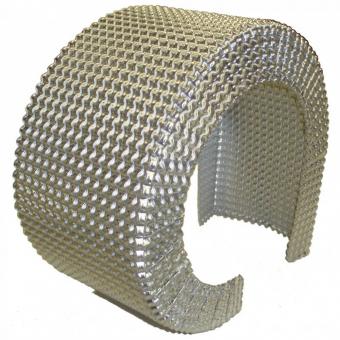
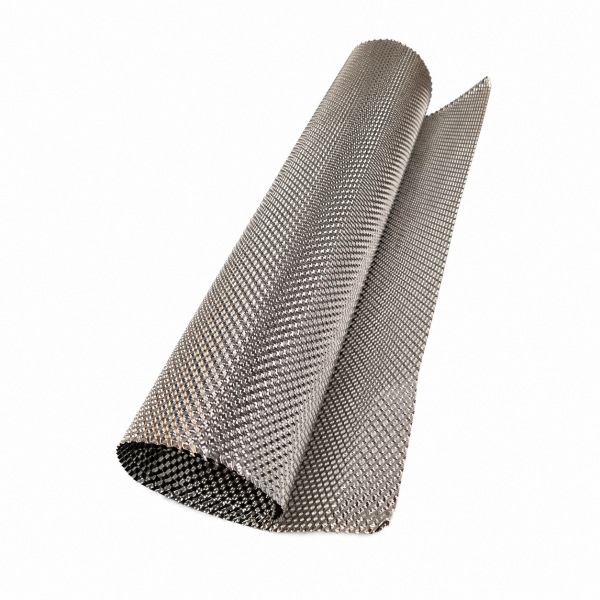
A metal shield does not necessarily touch the pipe.
Instead, it is usually installed with a controlled gap between the shield and heat source.
This arrangement is particularly effective for reducing radiant heat toward nearby components.
Common materials include:
aluminum;
stainless steel;
embossed stainless steel;
nickel alloys.
A metal heat shield may be preferable when:
installation thickness must remain low;
mechanical impact resistance is important;
the shield must retain a specific shape;
radiant heat is the primary concern.
For severe environments, BSTFLEX also manufactures Alloy 625 Inconel Heat Shield components.
These terms are often used interchangeably, but their engineering function can differ.
Exhaust pipe insulation normally surrounds the pipe and limits heat transfer through an insulating layer.
An exhaust pipe heat shield normally sits between the pipe and the component that needs protection.
One contains heat.
The other blocks or redirects it.
In some exhaust systems, both are used.
A diesel engine may have a removable insulation blanket around the exhaust pipe while a stainless steel shield protects a nearby electrical enclosure.
That combination can provide better thermal control than either solution alone.
Material selection should begin with continuous operating conditions.
Fiberglass is one of the most widely used materials for exhaust insulation.
Advantages include:
flexibility;
good thermal resistance;
availability in many constructions;
practical manufacturing cost.
Fiberglass can be used in:
blankets;
tapes;
wraps;
sleeves;
composite heat shields.
It is often suitable for moderate and high-temperature exhaust applications where extreme temperature exposure is not continuous.
High silica material is selected when higher heat resistance is required.
It may be used as:
outer fabric;
inner hot-side layer;
insulation textile;
heat-resistant wrap.
Silica constructions are useful around:
turbocharged exhaust systems;
manifolds;
high-output diesel engines;
industrial exhaust equipment.
Basalt-based materials are frequently used in automotive and performance exhaust insulation.
They offer:
flexible installation;
strong heat resistance;
good compatibility with wrapped exhaust tubes.
Basalt is often seen in heat wrap and shaped blanket applications.
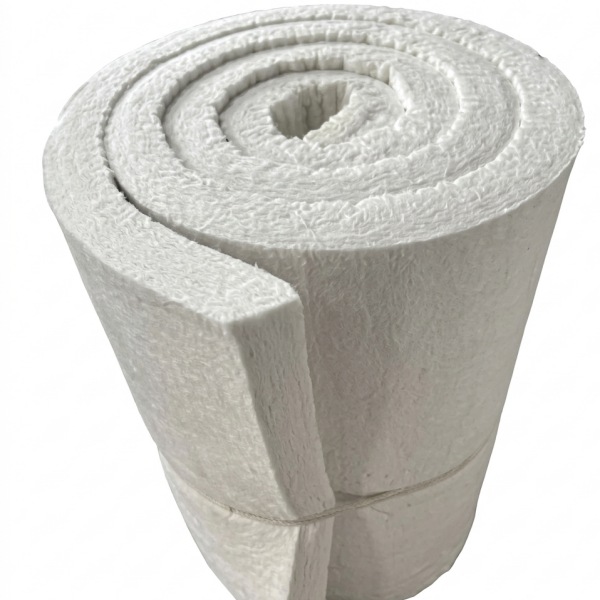
Where a greater temperature reduction is required within limited space, high-temperature insulation cores may be used.
These materials are normally enclosed within:
fiberglass fabric;
silica fabric;
stainless steel foil;
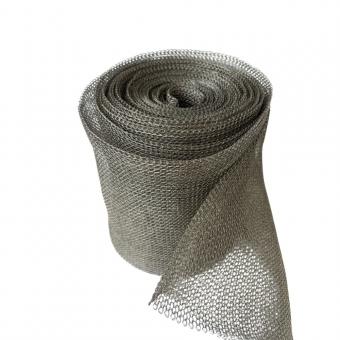
stainless steel mesh.
The insulation core should not be evaluated separately from the blanket construction.
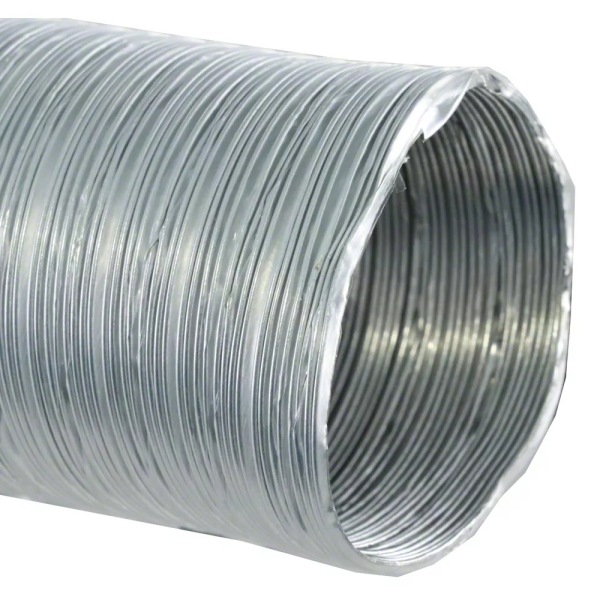
Aluminum is primarily used as a reflective surface rather than a thick insulation medium.
Its low weight makes it particularly suitable for:
automotive underbody protection;
exhaust pipe heat shields;
muffler shields;
vehicle floor insulation.
Stainless steel is preferred where the exhaust heat shield also requires mechanical strength.
It performs well in applications exposed to:
vibration;
road debris;
repeated thermal cycling;
higher temperatures.
Nickel alloys such as Alloy 625 are reserved for demanding environments where temperature, oxidation and corrosion requirements exceed the limits of conventional sheet metals.
A thicker insulation layer generally reduces heat transfer more effectively, but this does not mean the thickest available blanket is automatically the best design.
Increasing thickness can create problems with:
component clearance;
mounting brackets;
adjacent pipe routing;
sensor access;
engine compartment packaging.
In tightly packaged automotive systems, only a few millimeters of space may be available.
In a large generator enclosure, considerably thicker insulation may be practical.
The correct insulation thickness should therefore balance thermal performance with installation geometry.
Diesel exhaust pipes frequently operate for long periods under load.
Heat containment becomes especially important in:
trucks;
construction equipment;
agricultural machinery;
industrial engines;
stationary power systems.
A removable diesel exhaust pipe insulation system can reduce heat released into the surrounding engine compartment while still allowing service access.
Generator exhaust piping often runs through compact acoustic enclosures.
This creates a concentrated heat source close to:
electrical cabinets;
acoustic materials;
engine components;
service areas.
A generator exhaust insulation system commonly uses removable sections around pipes, elbows and silencers.
This also allows the insulation to be removed during maintenance without replacing the entire system.
Marine exhaust systems present additional concerns including:
limited ventilation;
moisture;
salt exposure;
vibration;
restricted service space.
For dry marine exhaust systems, segmented blankets are often preferred because they allow easy access to flanges and exhaust connections.
Passenger and performance vehicles use exhaust insulation for:
headers;
downpipes;
catalytic converters;
center exhaust pipes;
mufflers.
Depending on available space, solutions may include:
wrap;
shaped blanket;
metal shield;
reflective barrier.
Industrial engines and machinery may use large-diameter exhaust lines that require customized blanket sections.
These applications often place greater importance on:
durability;
repeatable installation;
service access;
identification of individual insulation sections.
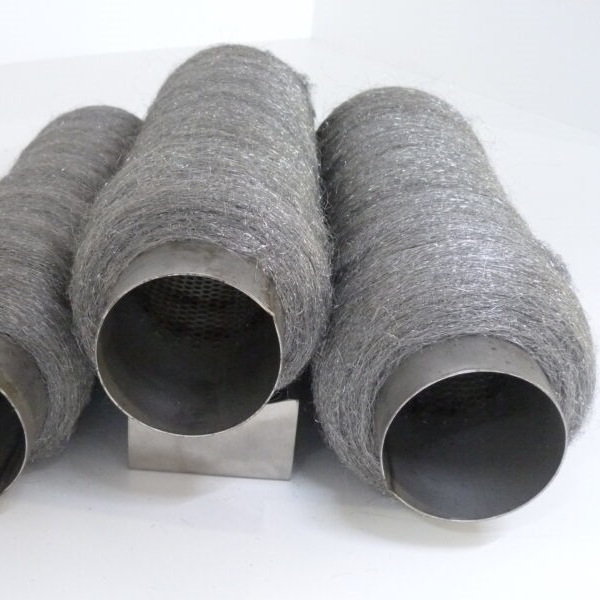
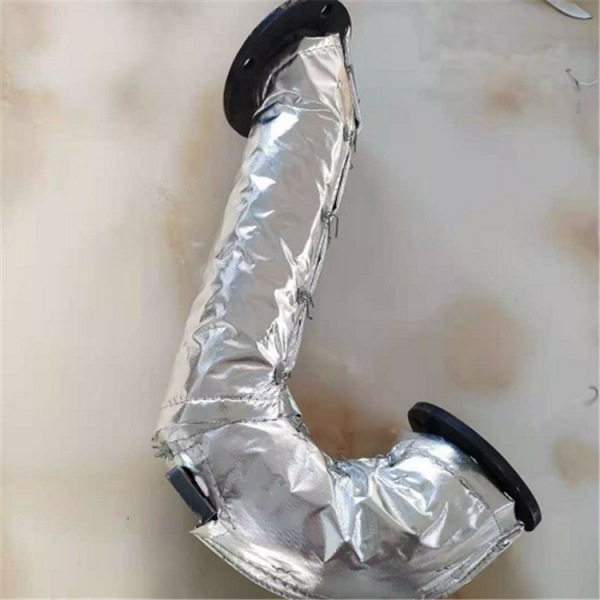
A bend is often more difficult to insulate than a straight pipe.
Wrap can follow gradual bends, but large industrial elbows may benefit from a fitted insulation blanket.
The BSTFLEX Thermal Insulation Elbow Blanket is designed for curved exhaust geometry where a standard flat insulation section cannot maintain consistent coverage.
A well-designed elbow blanket should consider:
bend radius;
flange position;
pipe diameter;
seam location;
fastener access.
One of the most common weaknesses in an exhaust insulation system is the flange area.
A thick blanket may work well on the pipe but leave a large exposed metal flange.
That exposed section can become a strong local heat source.
For higher-performance systems, insulation should therefore be designed around:
flange diameter;
bolt access;
connection points;
sensors;
expansion joints.
A removable flap or separate flange blanket may be used where regular access is required.
For serious OEM projects, saying “we need exhaust insulation” is not enough.
A better specification is:
exhaust pipe operating temperature;
ambient temperature;
pipe diameter;
required outer surface temperature;
insulation thickness limit;
airflow condition.
This allows the insulation design to be evaluated against a measurable target.
Without these conditions, it is difficult to compare two insulation systems accurately.
Maintenance requirements are particularly important for:
marine engines;
generators;
mining equipment;
construction machinery;
industrial engines.
If technicians need frequent access to exhaust joints or engine components, permanent wrap can create additional maintenance work.
A removable blanket is usually more practical in these situations.
A segmented system may be designed so that:
each section has an identification mark;
only the required section is removed;
the blanket can be reinstalled after inspection.
This reduces disruption during service.
A high published temperature rating does not guarantee that the complete insulation system will perform correctly.
The full assembly must be considered.
An insulation material that performs well in a laboratory may fail quickly if it rubs continuously against a bracket or neighboring component.
Insulation should not prevent access to:
sensors;
clamps;
inspection ports;
flange bolts.
An exhaust system may need different thermal solutions in different areas.
For example:
manifold: shaped blanket;
straight pipe: wrap;
elbow: removable blanket;
muffler: metal shield.
The outer layer must suit the operating environment, not just the temperature.
Instead of selecting exhaust insulation by material name, use the following sequence.
For a simple tubular pipe:
Consider exhaust wrap or sleeve insulation.
For a pipe that requires regular inspection:
Use a removable pipe insulation blanket.
For an irregular elbow or flange:
Use a custom shaped blanket.
For protecting a nearby panel from radiant heat:
Use a metal or reflective heat shield.
For extreme heat and demanding environments:
Evaluate high-silica, high-temperature fiber, stainless steel or nickel-alloy constructions.
This approach is more reliable than choosing one product type for the complete exhaust system.
For accurate design and quotation, provide:
Pipe dimensions
outside diameter;
overall insulated length;
bend radius;
flange dimensions.
Temperature
normal operating temperature;
maximum temperature.
Installation environment
automotive;
marine;
generator;
industrial;
outdoor;
enclosed.
Service requirement
removable;
permanent;
frequency of maintenance.
Performance requirement
target external temperature;
maximum insulation thickness.
Project information
sample or drawing;
prototype quantity;
expected production volume.
The more complete the input data, the easier it is to design an insulation system that fits correctly from the first prototype.
Exhaust pipe insulation is worth considering whenever an exhaust line creates unacceptable heat exposure for the surrounding system.
The decision should be driven by actual conditions rather than by appearance.
If the objective is to lower heat around the pipe, protect surrounding components or create a safer service environment, an insulation blanket, wrap, sleeve or heat shield may be appropriate.
For applications involving multiple exhaust components, the best result often comes from combining several insulation methods.
BSTFLEX manufactures exhaust heat shield insulation, removable blankets, exhaust wraps, lagging and custom metal heat shields for automotive, marine, diesel, generator and industrial exhaust systems.
For custom exhaust pipe insulation, provide the pipe dimensions, operating temperature, installation environment and required quantity. A suitable insulation construction can then be selected around the actual exhaust system rather than a generic temperature rating.

No.10, Chuangxin North Road, Nanshan Park, Ningguo Economic and Technological Development Zone, Ningguo City, Anhui Province, China
Tel/Whatsapp : 0086-15856303740
Email : sales@bstbraidedsleeve.com
Skype : vanesa-cheng