What are you looking for?
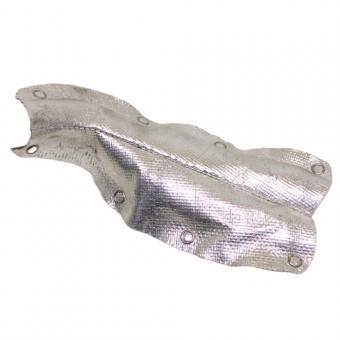
An exhaust insulation blanket—also known as a heat shield blanket, exhaust wrap blanket, or thermal exhaust cover—is an engineered high-temperature barrier designed to contain and manage extreme heat generated by exhaust systems, turbochargers, and high-performance engines. Built from advanced heat-resistant textiles, these blankets help reduce surface temperatures, improve performance, and protect surrounding components from thermal damage.
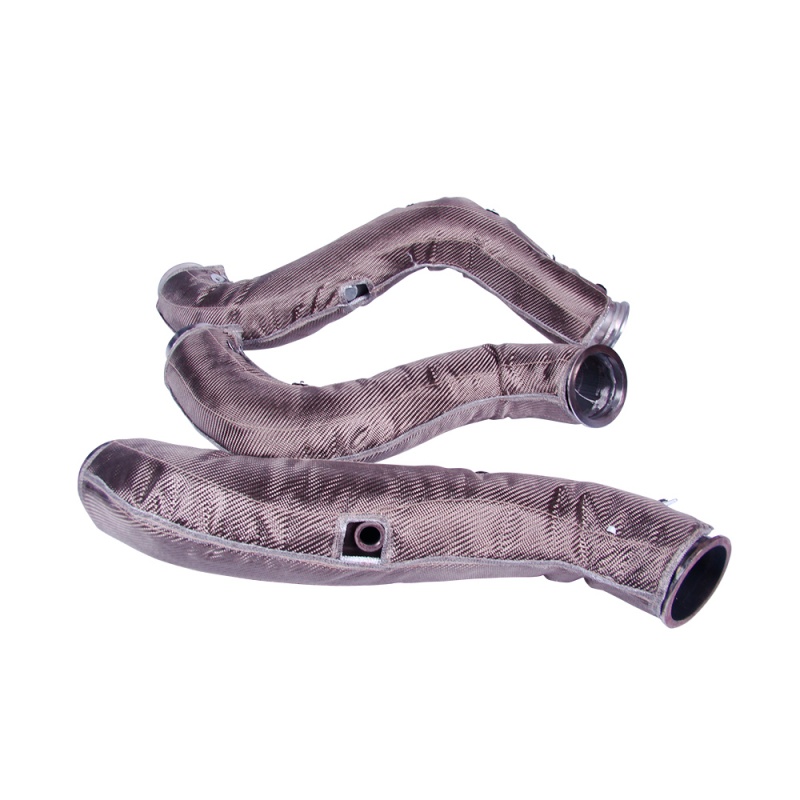
Premium exhaust insulation blankets typically feature:
Inner Core Layer – Made from high-grade silica fiber, ceramic fiber, or basalt fiber, capable of withstanding continuous exposure to temperatures from 800°C (1472°F) up to 1100°C (2012°F), with peak tolerance even higher for short durations.
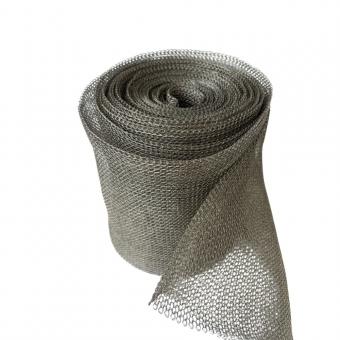
Outer Protective Layer – Often aluminized fiberglass or stainless-steel mesh, titanium fiber, fiberglass, providing abrasion resistance, oil repellency, and weatherproofing.
Reinforced Stitching & Fasteners – Stainless steel threads, rivets, or lacing wire maintain structural integrity under vibration, high heat, and mechanical stress.
This multi-layer construction ensures durability in demanding environments such as motorsports, marine, mining, and industrial power generation.
Reduces Heat Soak – By containing exhaust heat, the blanket prevents excess thermal radiation from heating surrounding components like intake manifolds, hoses, and electronics.
Improves Engine Efficiency – Retaining exhaust heat helps maintain higher exhaust gas velocity, which can improve turbocharger spool-up and overall engine responsiveness.
Protects Sensitive Components – Prevents heat-related failures in nearby wiring, hoses, hydraulic lines, and composite materials.
Enhances Safety – Lowers external surface temperatures, reducing burn hazards for operators, mechanics, and pit crews.
Improves Cabin Comfort – Minimizes radiant heat transfer into the driver or passenger compartment.
Automotive Performance – Race cars, drift vehicles, off-road trucks, and daily drivers seeking thermal control for turbochargers, downpipes, and manifolds.
Marine Engines – Protecting engine compartments in boats and yachts from overheating.
Heavy Equipment – Excavators, generators, and agricultural machinery operating in confined engine bays.
Industrial Applications – Gas turbines, chemical processing exhaust systems, and steam pipes requiring thermal containment.
Most exhaust insulation blankets are custom-fitted to specific components, featuring hook-and-loop closures, stainless-steel springs, or lacing wire for secure, tool-free installation.
They can be removed and reinstalled for maintenance without damaging the insulation, making them far more practical than permanent exhaust wraps.
The thermal efficiency of an exhaust insulation blanket comes from low thermal conductivity and high emissivity surfaces.
Ceramic fibers trap heat molecules, preventing outward conduction.
Basalt fibers provide natural thermal stability and resistance to chemical attack.
Aluminized surfaces reflect radiant heat away while shielding against environmental contaminants.
Continuous Service Temperature: 800°C – 1100°C (1472°F – 2012°F)
Peak Temperature Resistance: Up to 1260°C (2300°F) for short periods
Thermal Conductivity: 0.04–0.1 W/m·K depending on fiber composition
Outer Layer Options: Aluminized fiberglass, silicone-coated fiberglass, stainless steel mesh
Attachment Methods: Lacing wire, rivets, hooks, or Velcro straps
Not all heat blankets are created equal. A high-quality model ensures:
Better thermal containment for longer component life
Reduced maintenance costs by preventing premature failure of nearby parts
Higher resale value for vehicles or machinery due to reduced heat wear
Compliance with safety regulations in certain industrial settings
In summary, an exhaust insulation blanket is more than just a protective cover—it’s a performance-enhancing, safety-boosting, and efficiency-improving thermal management solution. Whether you are protecting a turbocharger in a high-performance sports car, shielding engine room components in a marine vessel, or insulating an industrial exhaust system, the right heat blanket can dramatically improve reliability, safety, and performance.

No.10, Chuangxin North Road, Nanshan Park, Ningguo Economic and Technological Development Zone, Ningguo City, Anhui Province, China
Tel/Whatsapp : 0086-15856303740
Email : sales@bstbraidedsleeve.com
Skype : vanesa-cheng