What are you looking for?
A battery heat shield is a thermal protection solution used to reduce radiant heat exposure and heat soak around battery zones. This hub helps buyers choose the right battery heat shield wrap or protection structure for their application—whether you need a car battery heat shield for underhood heat, an automotive battery heat shield for harsh environments, an EV battery heat shield concept for localized thermal protection, or a heat shield for battery safety-focused containment strategy.
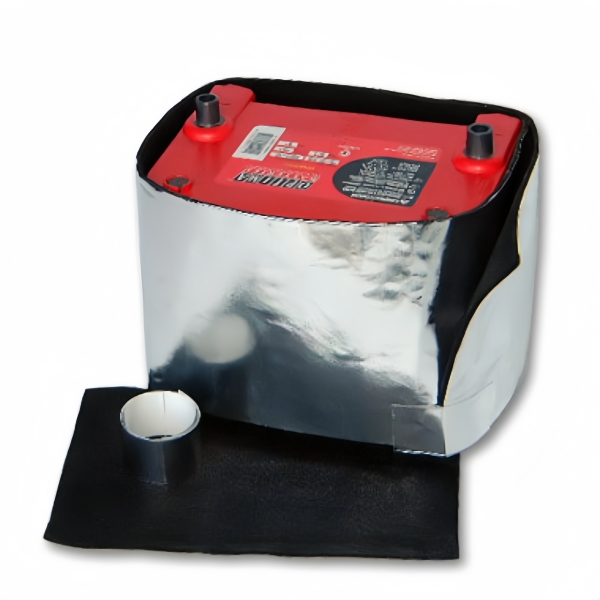
A battery heat shield is a thermal barrier or protective structure installed around battery zones to reduce heat transfer from nearby hot components or hot airflow paths. In many vehicles, heat sources may include exhaust routing, manifolds/turbo areas, catalytic converters, and high-temperature airflow. The goal is to reduce heat soak and help protect surrounding components for improved reliability.
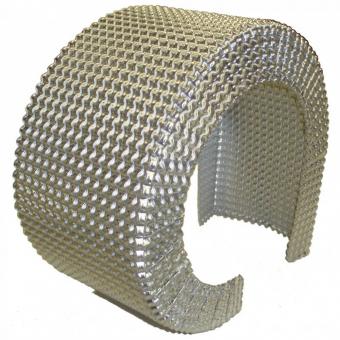
For high-heat engine bay zones where durability and long-term stability under vibration and thermal cycling are important. See: LAVA Battery Heat Shield Wrap.
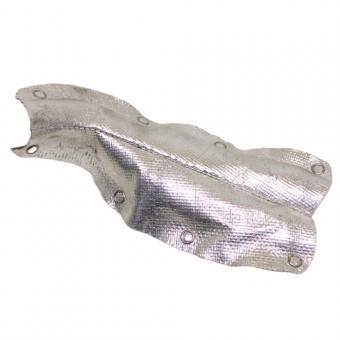
For battery zones where you want a heat barrier positioned for harsh exposure and potential splash/corrosion risk. See: Battery Wrap (Acid-Absorbing Heat Barrier).
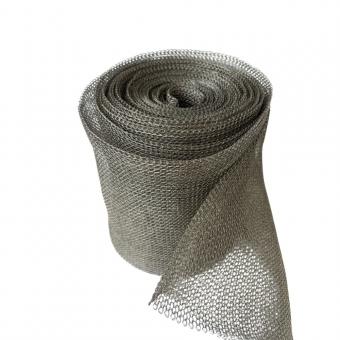
For broader coverage and neat, repeatable installation where a case-style solution better fits the battery layout. See: Battery Thermal Protective Case.
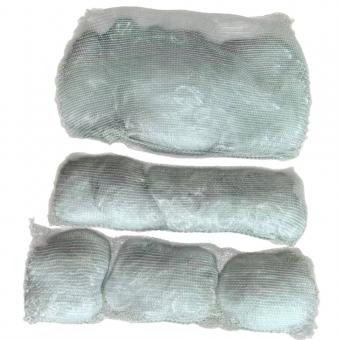
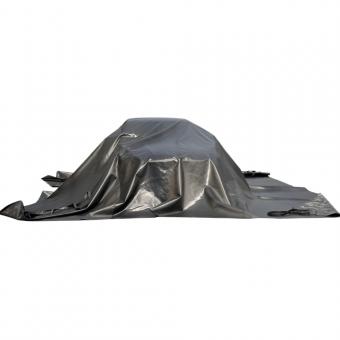
For critical safety workflows where containment and risk control are the priority. See: Battery Fire Containment Bag.
A wrap is flexible and often used for localized shielding in tight packaging. A case provides broader coverage and a more structured, repeatable installation.
Most heat shields perform best with a stable air gap. If vibration may cause contact, focus on retention and edge control to prevent rub-through.
Yes, for localized thermal shielding near battery-adjacent heat sources (application-dependent). Share your layout and clearance for recommendation.
Consider the acid-absorbing heat barrier style: Battery Wrap (Acid-Absorbing Heat Barrier).
Send battery zone photos, heat source location, clearance, and your protection goal (shielding, case coverage, or containment). We will recommend the right solution and provide a fast quotation.

No.10, Chuangxin North Road, Nanshan Park, Ningguo Economic and Technological Development Zone, Ningguo City, Anhui Province, China
Tel/Whatsapp : 0086-15856303740
Email : sales@bstbraidedsleeve.com
Skype : vanesa-cheng