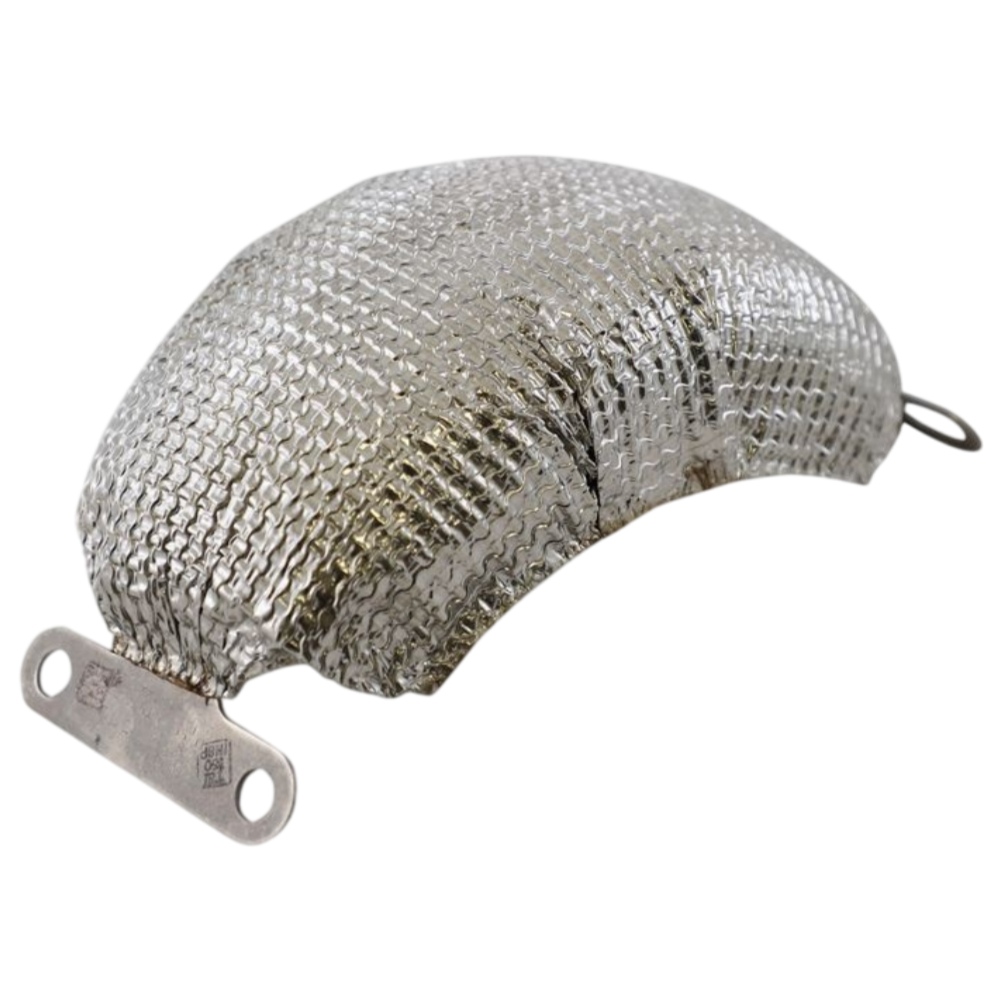
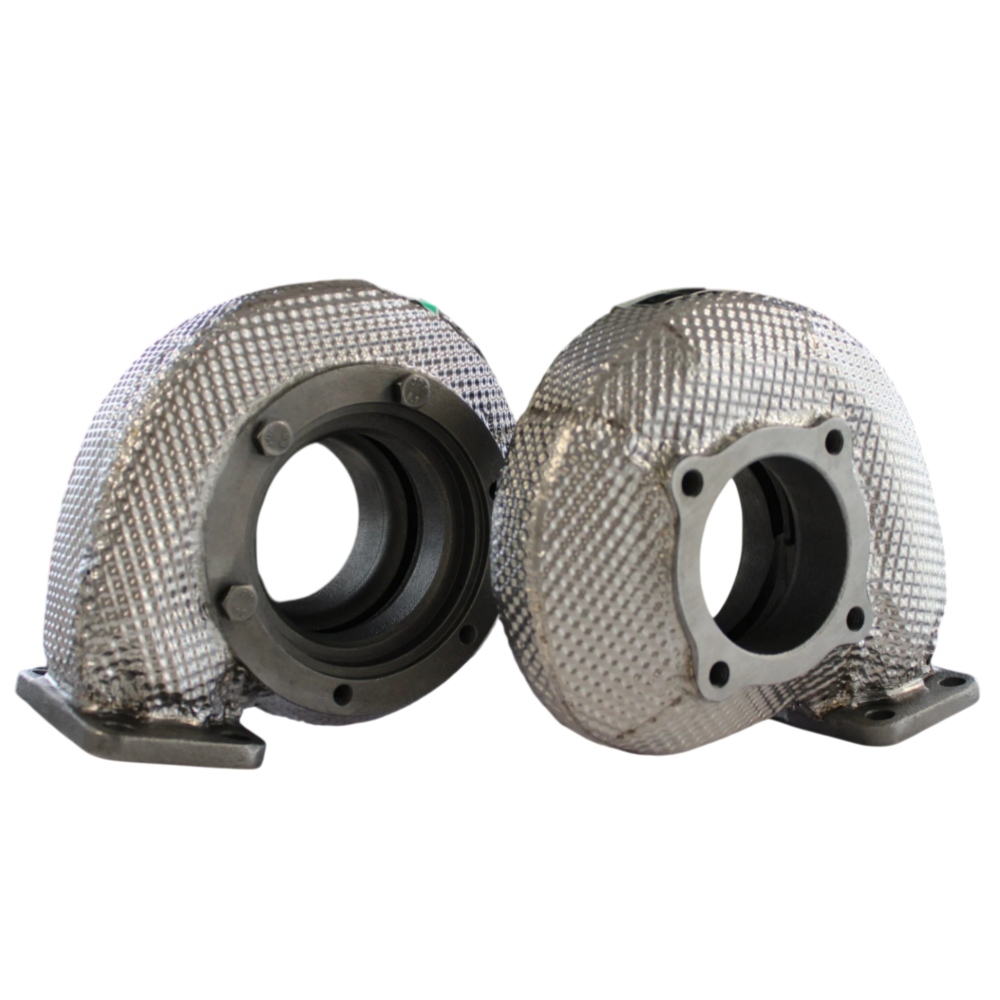
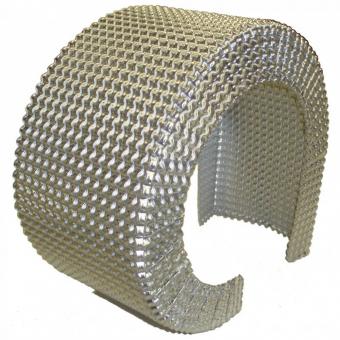
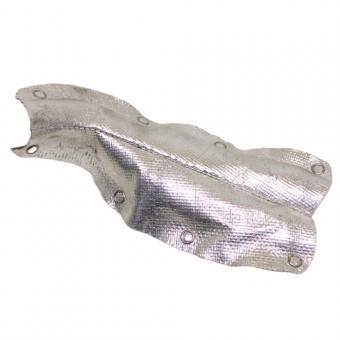
A turbocharger heat shield can match a photograph and still miss the mounting points on the installed assembly. For an OEM order, the drawing needs to describe more than the visible shell. It must identify the supplied part, its relationship to the turbocharger and the conditions under which a sampl...
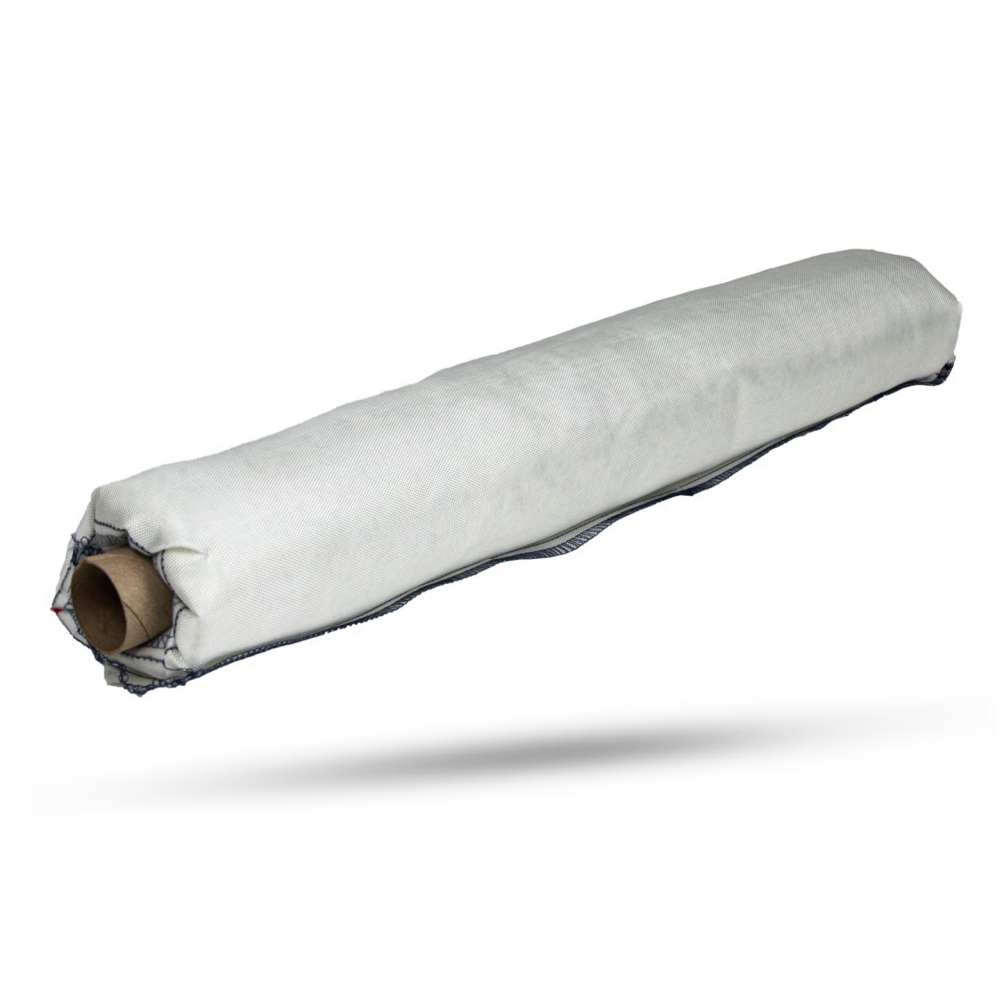
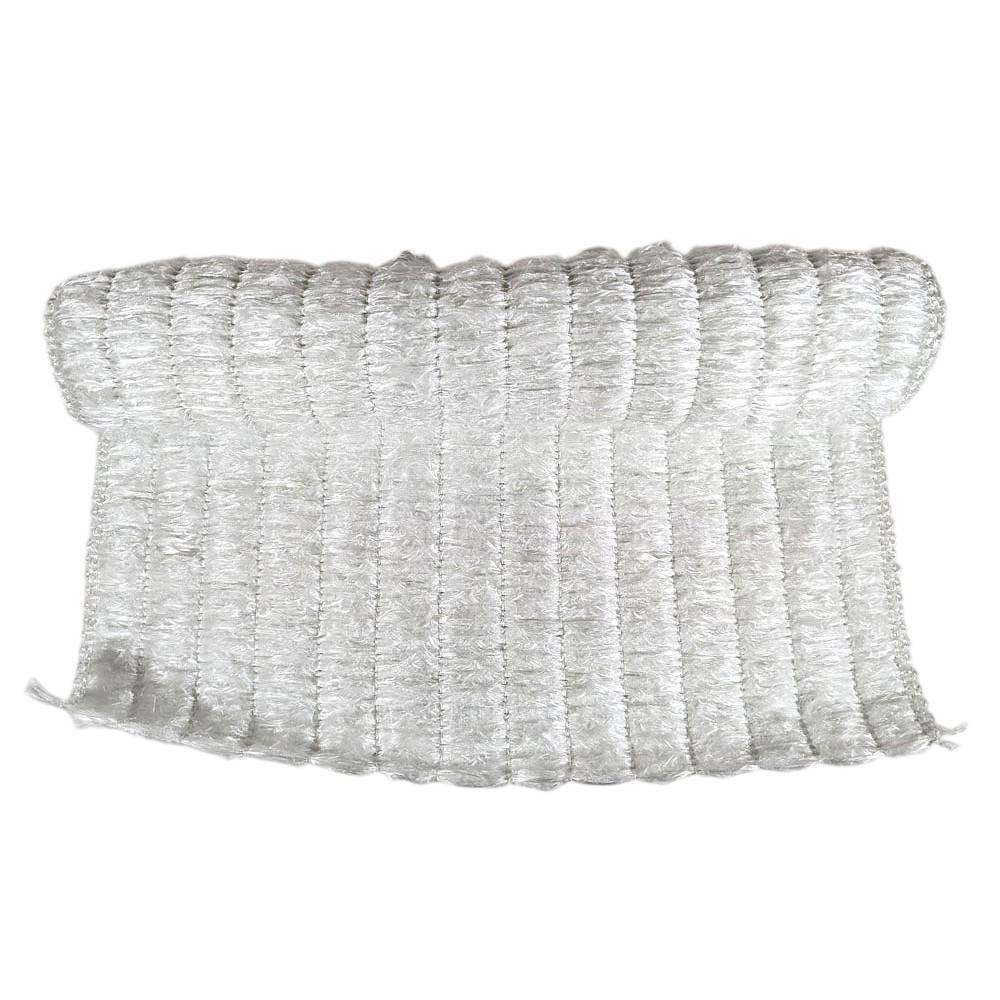
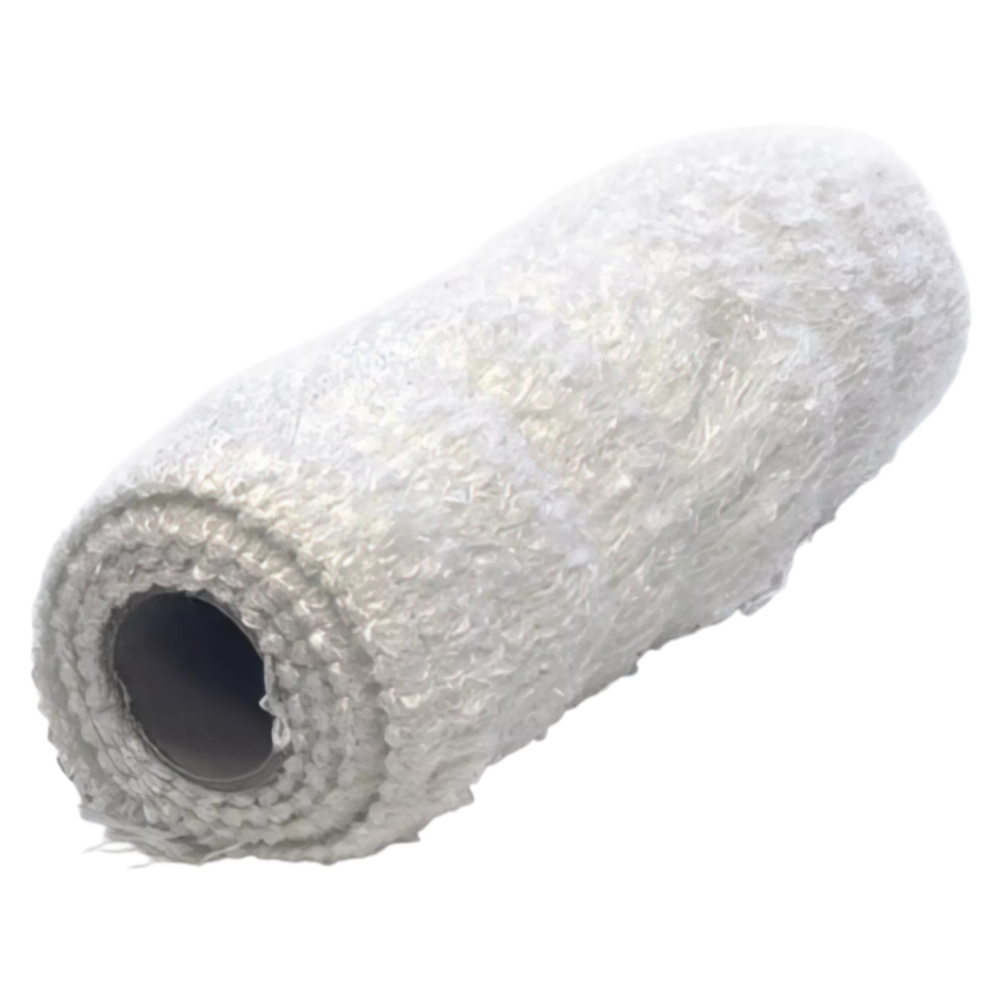
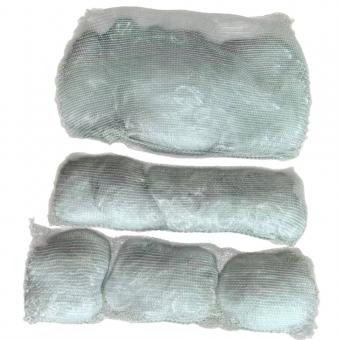
Fiberglass exhaust packing can reach a silencer assembly line as yarn-based material, a cut mat or loose filling. The right choice starts with what the factory needs to receive: fiber for an established filling process, a sheet for wrapping around a core, or a defined charge for placement into an op...
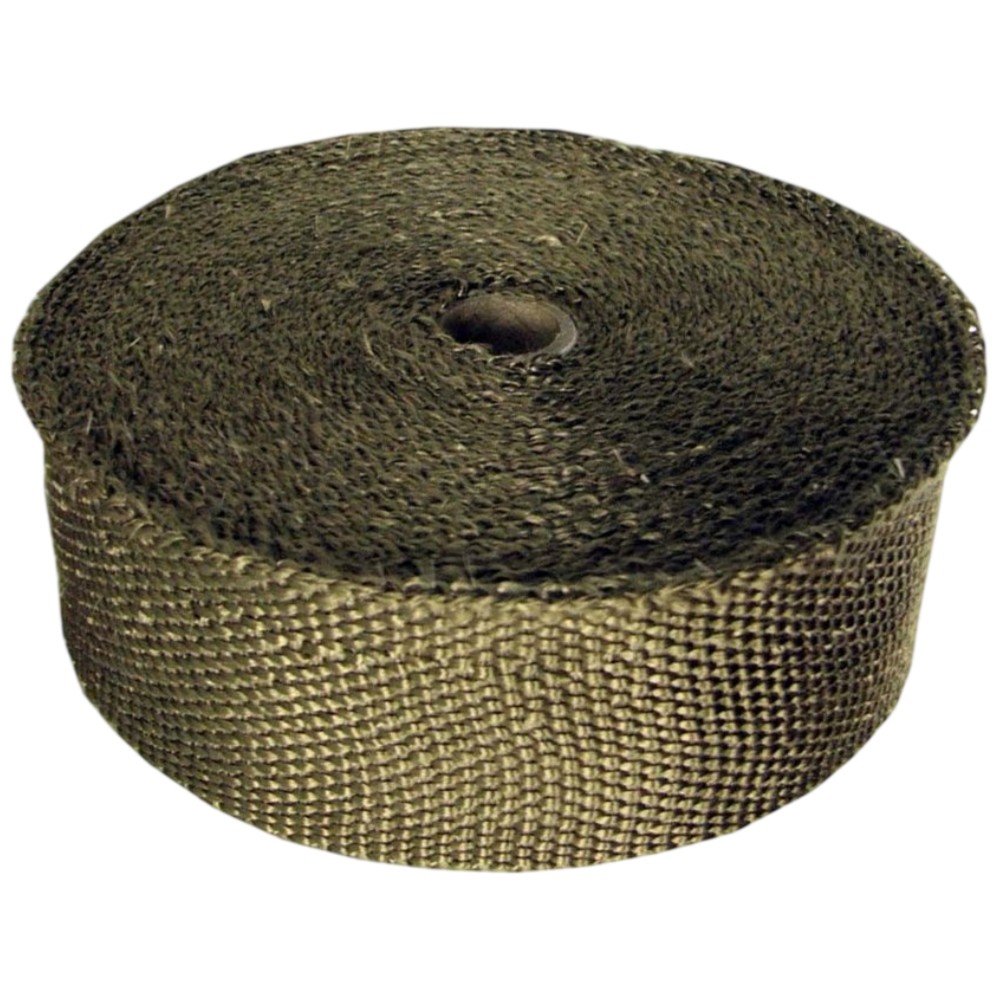
A motorcycle exhaust wrap has to do more than look tidy on a straight pipe. It must follow the first bend below the cylinder head, fit between closely spaced tubes and leave room for clamps, sensors, foot controls and bodywork. Those details often determine whether an installation works better with ...
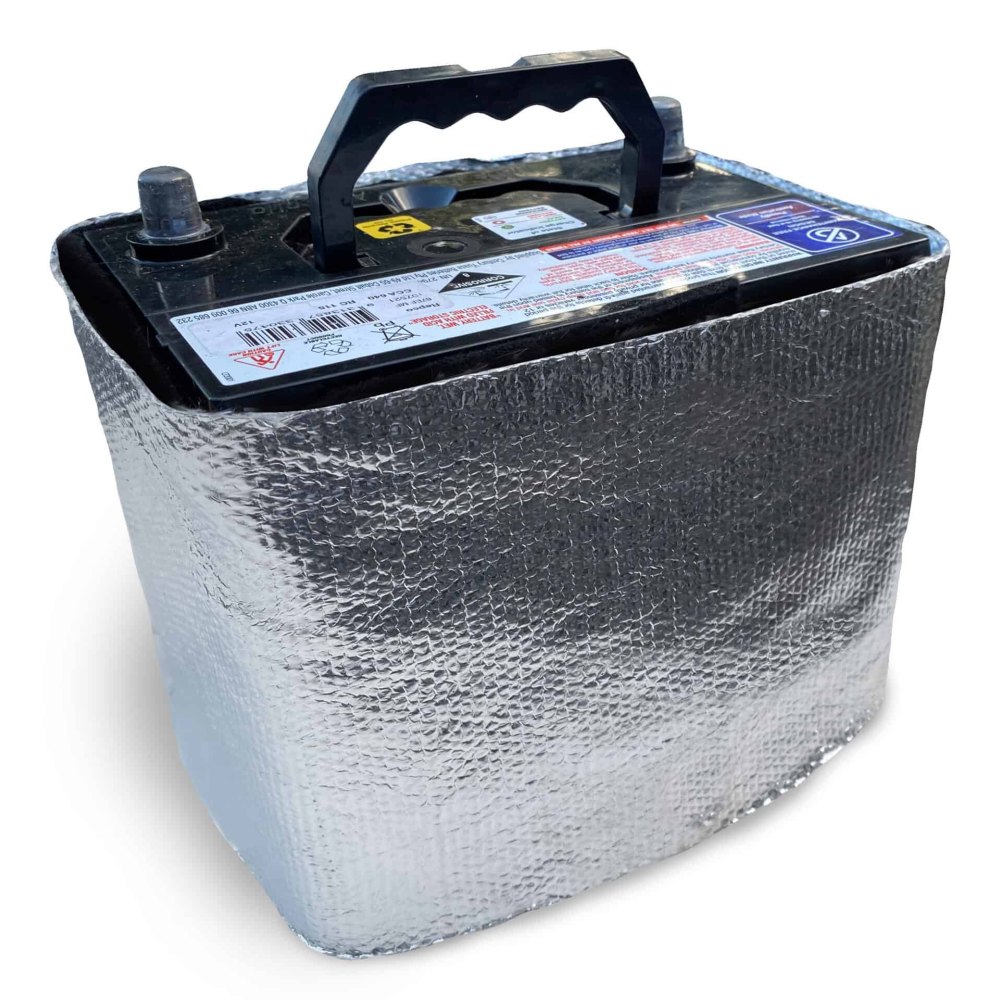
Battery Heat Shield Wrap vs Battery Insulation Cover: Which Construction Fits Your Battery? A battery sits close to the exhaust in one vehicle and inside a crowded equipment compartment in another. Both installations may call for thermal protection, but the shape of the protective part should follow...
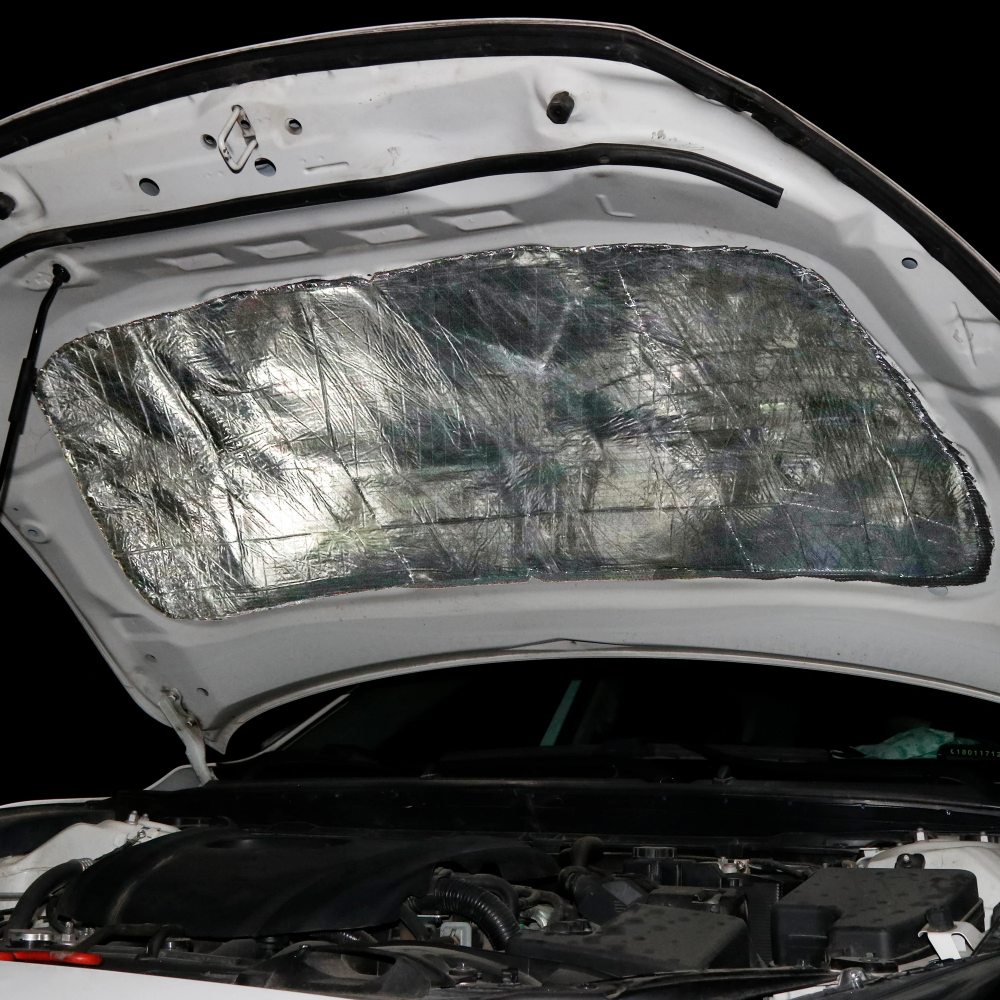
A firewall heat shield is a thermal barrier fitted to the engine-compartment bulkhead to reduce heat reaching the panel and the area behind it. Its job is not simply to cover the largest possible surface. The useful coverage is the area exposed to the heat source, while the finished part must leave ...
Expanding exhaust packing and loose fill are two ways of putting an acoustic fiber charge into a silencer. A heat-released sheet carries the fiber into the assembly in a compact, restrained form. Loose fill is measured and distributed during filling. The better production route depends on access to ...
A hot turbocharger and a heat-sensitive component can sit only a short distance apart. The purchasing question is straightforward: should the installation use a turbo blanket around the turbine housing, a metal heat shield between the turbo and nearby parts, or a combination designed for the availab...
A turbo downpipe is one of the hottest components in a turbocharged exhaust system. Located directly after the turbocharger outlet, the downpipe transfers significant thermal energy through the engine compartment and can affect nearby wiring, hoses, sensors, intake components and surrounding structu...
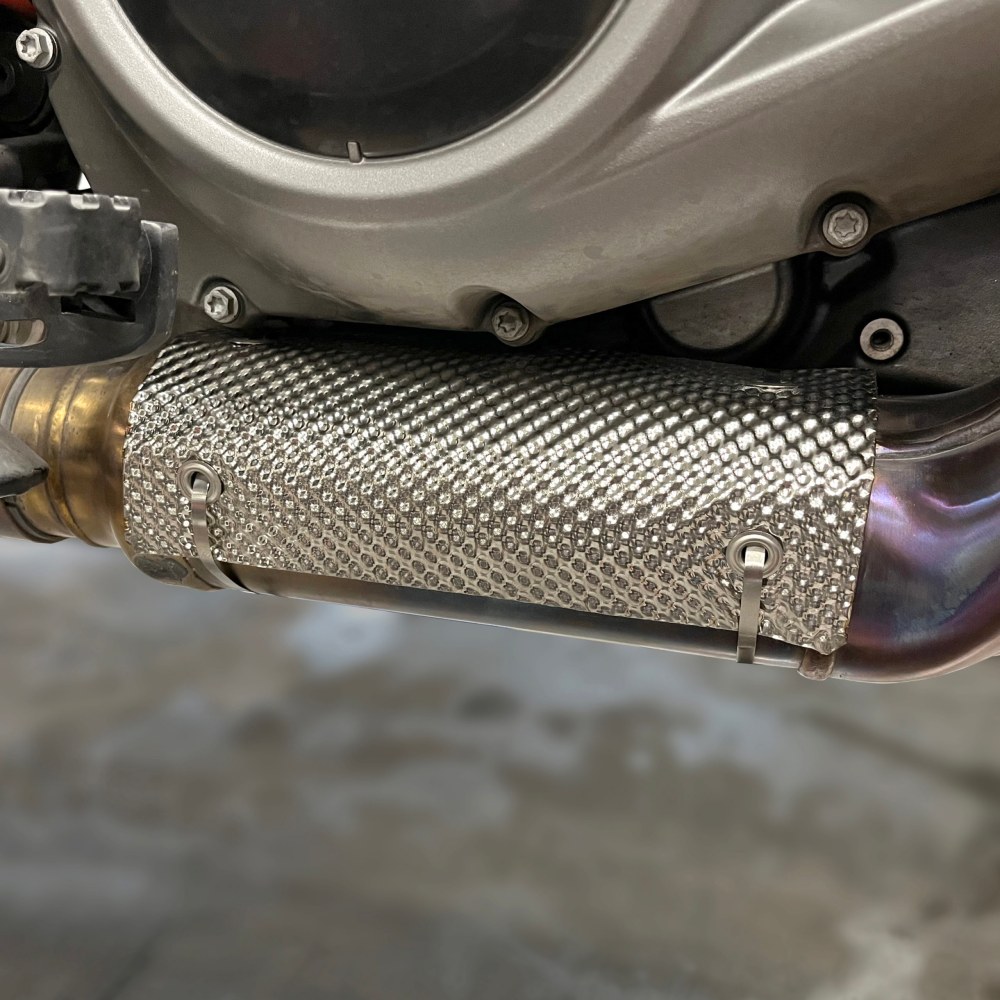
A hot exhaust pipe does not always need insulation along its entire length. Sometimes the problem is a short section beneath a transmission tunnel, beside a hose connection or close to a body panel. In that situation, a correctly positioned exhaust pipe heat shield can address the exposed area witho...
How much expanding exhaust packing do you need? Start with the silencer's approved dry fiber weight, then convert that weight into a sheet area and cut length. When only an approved installed density is available, calculate the usable packing volume first. The fact that a sheet expands with heat doe...
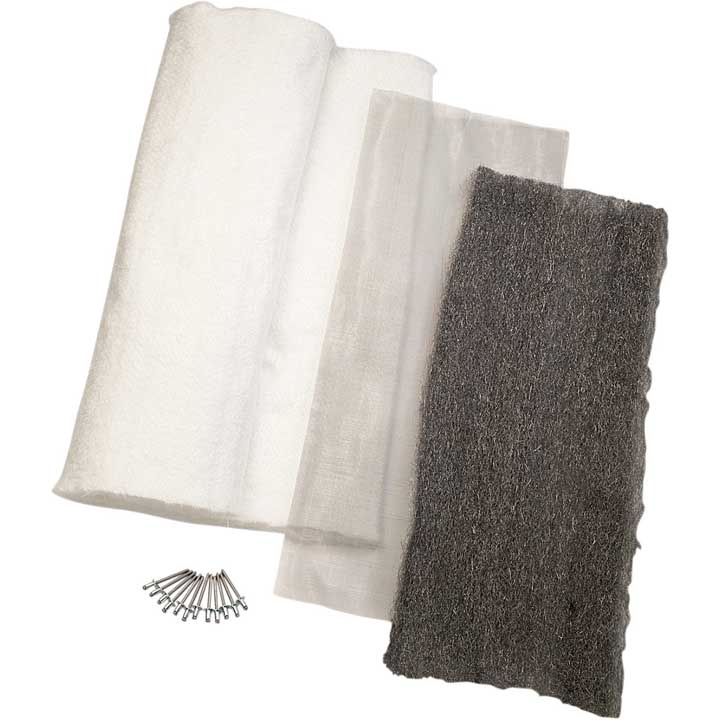
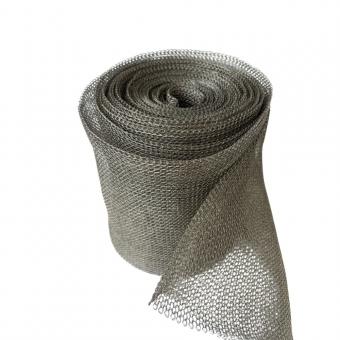
Stainless steel wool muffler packing can be supplied as roll material or formed into a core wrap for an exhaust silencer. A stainless steel wool core wrap provides a porous metallic-fiber layer around the perforated tube, while a retaining screen provides an open wire structure for packing containme...
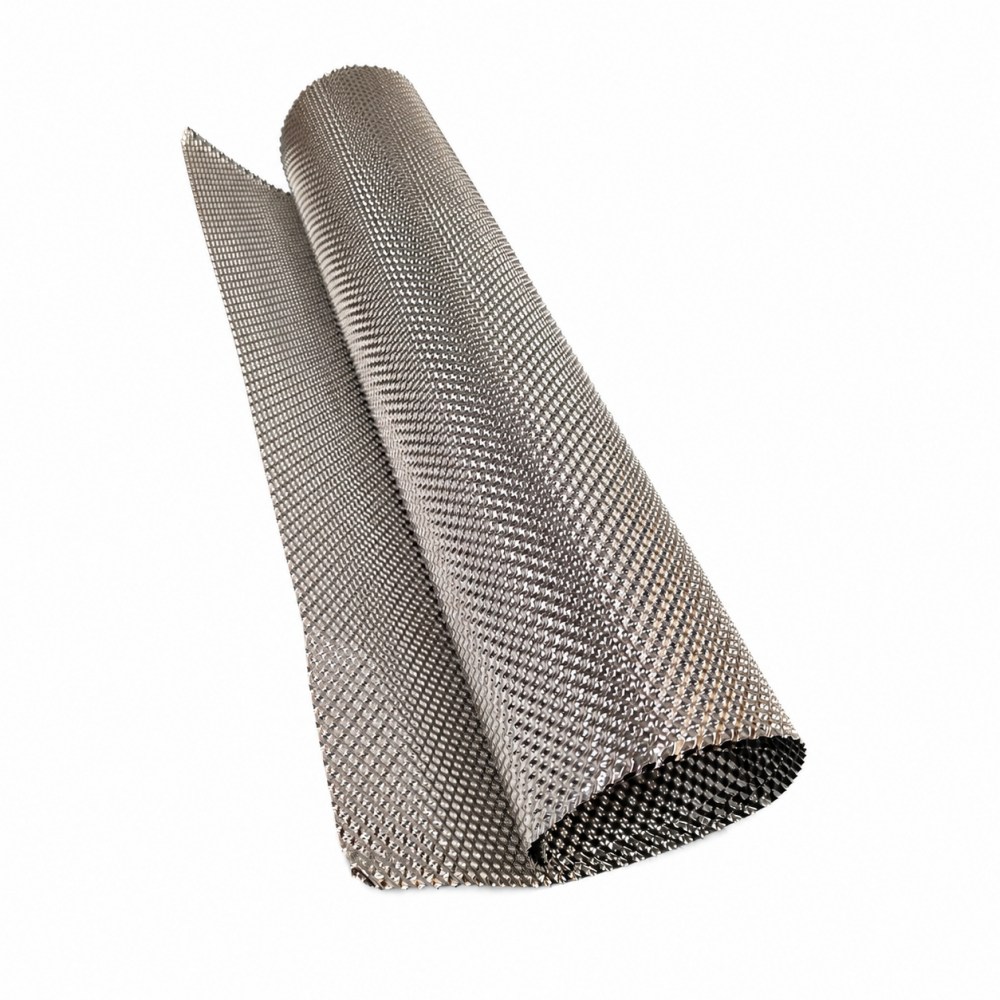
Exhaust Manifold Heat Shield Material: Stainless Steel, Aluminum or Inconel? An exhaust manifold heat shield can remain in one piece while the connector behind it overheats. It can also keep nearby components cool during a short test, then develop cracks around its mounting holes after repeated heat...