What are you looking for?
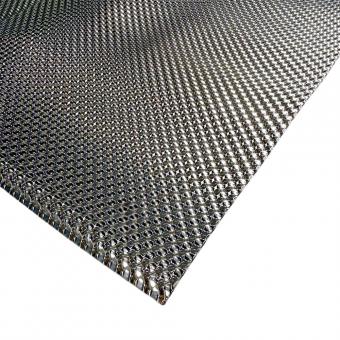
An embossed aluminum heat shield is a thermal protection component made from aluminum sheet that has been mechanically embossed with specific patterns, such as diamond, honeycomb, or wave designs. These embossed patterns are not decorative; they are engineered to improve heat reflection, increase structural stiffness, and enhance airflow between hot components and surrounding parts.
Unlike flat aluminum sheets, embossed aluminum heat shields create micro air gaps that significantly reduce heat transfer through conduction. This makes them ideal for applications where lightweight materials, thermal insulation, and durability are equally important.
In many industries—especially automotive, industrial equipment, and machinery manufacturing—an embossed aluminum heat shield plays a critical role in protecting sensitive components from radiant and convective heat while maintaining overall system efficiency.
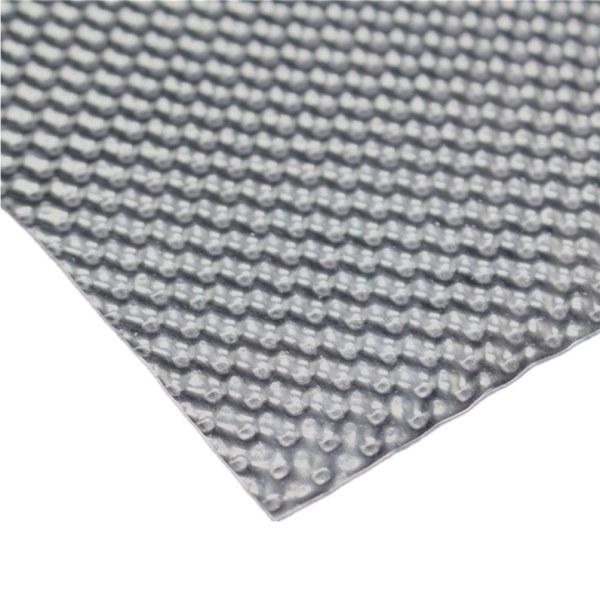
Aluminum is already a popular material for thermal protection, but embossing takes its performance to another level. Here’s why embossed aluminum is widely preferred:
The embossed surface increases the effective area for reflecting radiant heat. When heat waves strike the patterned surface, they are scattered rather than absorbed, improving thermal efficiency.
Embossing significantly increases rigidity without increasing thickness. This allows manufacturers to use thinner aluminum sheets while maintaining strength, reducing overall weight.
In automotive and industrial environments, vibration is unavoidable. Embossed aluminum heat shields are less prone to resonance and deformation compared to flat sheets.
Aluminum naturally resists corrosion, and embossing does not compromise this property. The result is a long-lasting, lightweight thermal solution suitable for harsh environments.
Understanding the difference between embossed and flat aluminum heat shields helps buyers make informed decisions.
| Feature | Embossed Aluminum Heat Shield | Flat Aluminum Heat Shield |
|---|---|---|
| Thermal Efficiency | Higher (air gaps + reflection) | Moderate |
| Structural Strength | High | Lower |
| Weight Optimization | Excellent | Limited |
| Vibration Resistance | Strong | Weaker |
| Typical Lifespan | Longer | Shorter |
For high-performance or demanding applications, an embossed aluminum heat shield consistently outperforms flat aluminum alternatives.
One of the largest markets for embossed aluminum heat shields is automotive manufacturing. They are widely used in:
Exhaust systems
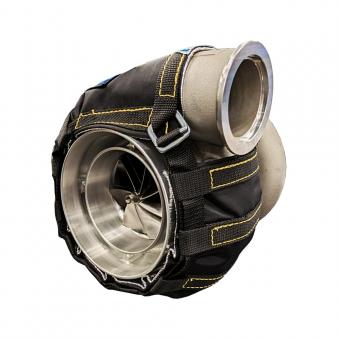
Turbocharger protection
Catalytic converter shielding
Engine bay thermal management
Their lightweight nature helps improve fuel efficiency while meeting strict thermal safety standards.
In industrial settings, embossed aluminum heat shields protect:
High-temperature pipes
Furnaces and ovens
Compressors and generators
They reduce heat loss and protect operators and nearby components.
Household and commercial appliances, such as ovens, dryers, and HVAC systems, rely on embossed aluminum heat shields to manage heat safely and efficiently.
Producing a high-quality embossed aluminum heat shield requires precision and experience. The typical manufacturing process includes:
Common aluminum alloys include:
3003 aluminum (excellent formability)
5052 aluminum (higher strength and corrosion resistance)
The aluminum sheet passes through embossing rollers that create consistent patterns. The pattern depth and geometry are carefully controlled to meet performance requirements.
After embossing, sheets are cut, stamped, or bent into the required shape using CNC or progressive dies.
Depending on the application, the heat shield may receive:
Anodizing
Reflective coatings
Adhesive backing
Each step ensures the embossed aluminum heat shield meets both thermal and mechanical specifications.
An embossed aluminum heat shield performs exceptionally well under continuous high-temperature conditions. Key performance characteristics include:
High reflectivity: Reflects up to 90% of radiant heat depending on surface finish
Temperature resistance: Suitable for temperatures up to 600°C in many applications
Long service life: Resistant to cracking, warping, and corrosion
The embossed structure also allows for better airflow, which further reduces surface temperatures and improves overall system reliability.
Many applications require more than a standard off-the-shelf product. Custom embossed aluminum heat shield solutions allow manufacturers to optimize performance for specific needs.
Customization options include:
Custom embossing patterns
Material thickness selection
Complex shapes and multi-layer designs
Pre-attached insulation or foil layers
Custom solutions are especially valuable for OEMs looking to improve thermal efficiency while minimizing weight and cost.
Selecting the right supplier is just as important as choosing the right material. When sourcing an embossed aluminum heat shield, consider the following:
A reliable supplier should understand thermal management, material science, and embossing technology.
Look for suppliers that can support prototyping, small batches, and large-scale production.
Certifications, material traceability, and consistent inspection processes are essential for long-term reliability.
For international buyers, experience with export packaging, documentation, and logistics is a major advantage.
The embossed pattern increases rigidity and creates air gaps that reduce heat transfer, making it more efficient.
Yes, embossing improves vibration resistance and reduces the risk of deformation.
Absolutely. Aluminum’s corrosion resistance makes them ideal for outdoor and harsh environments.
Typical thickness ranges from 0.3 mm to 1.5 mm, depending on application requirements.
Yes, most manufacturers offer fully customized embossed aluminum heat shield solutions.
With proper design and material selection, service life can exceed 10 years in many applications.
Investing in the right design and working with an experienced supplier ensures optimal performance, reduced maintenance, and improved safety across your application.

No.10, Chuangxin North Road, Nanshan Park, Ningguo Economic and Technological Development Zone, Ningguo City, Anhui Province, China
Tel/Whatsapp : 0086-15856303740
Email : sales@bstbraidedsleeve.com
Skype : vanesa-cheng