What are you looking for?
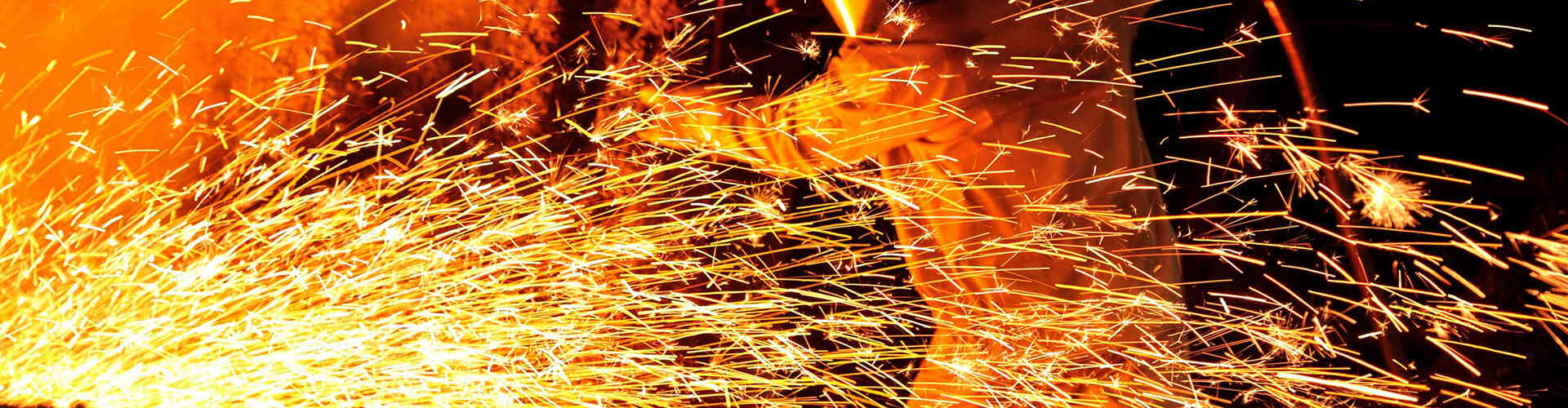
Aluminum Laminated Fiberglass Sleeving is a high-performance engineering solution designed to protect critical components in some of the most challenging operating conditions. Its unique construction—a fiberglass sleeve laminated with a seamless layer of aluminum foil—creates a multifaceted barrier that addresses several common industrial threats simultaneously. This article details the primary use cases where this sleeving proves indispensable.
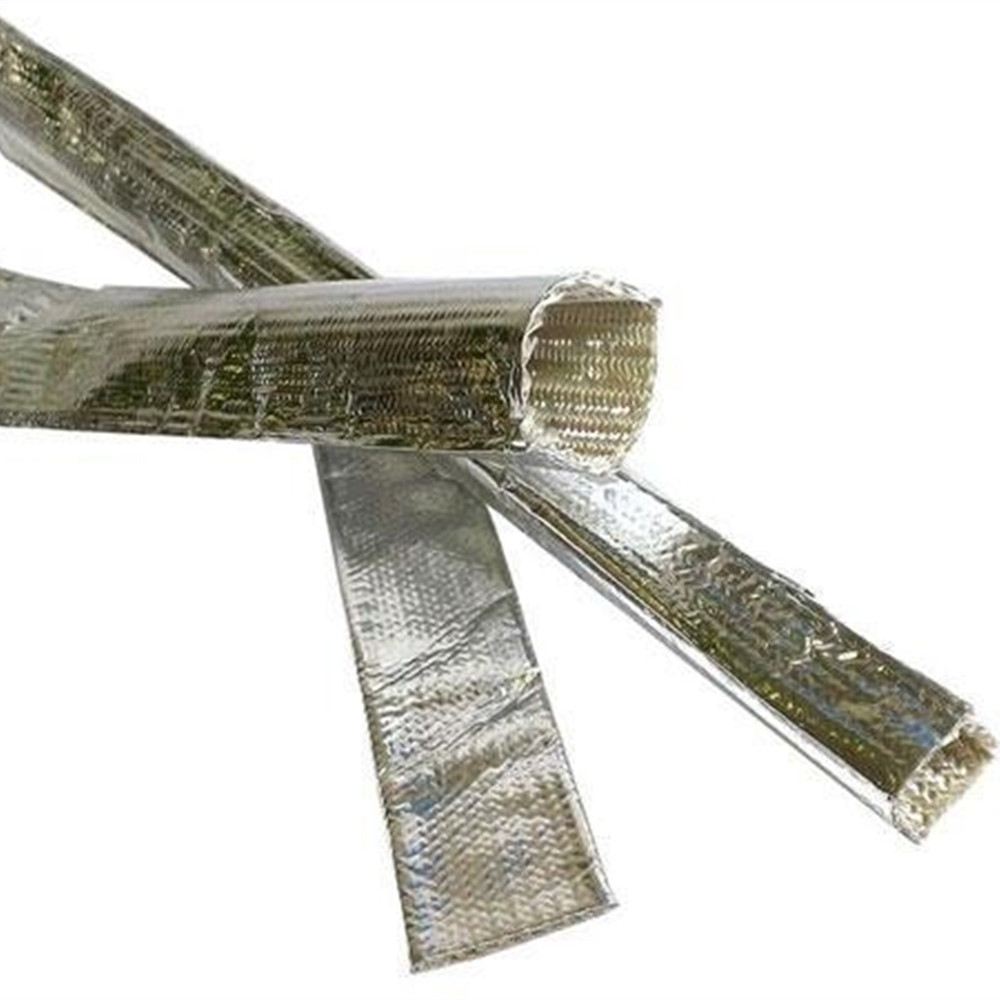
The applications of this sleeving are driven by its ability to provide three key types of protection:
Thermal Management: The aluminum layer acts as a radiant heat shield, reflecting up to 90% of radiant heat away from components, with continuous operating temperatures up to 500°F (260°C).
Mechanical & Abrasion Resistance: The durable, non-fraying construction protects against wear, scraping, cuts, and vibration from contact with other parts.
Chemical & Fluid Integrity: It forms a protective barrier against a wide range of fluids, including oils, fuels, coolants, and solvents, preventing degradation of the components inside.
1. Automotive and Aerospace Engineering
In these sectors, weight, heat, and reliability are critical factors. Aluminum laminated sleeving is used extensively for:
Engine Bay Wiring Harnesses: Shielding sensitive wiring and cables from the intense radiant heat of exhaust manifolds, turbochargers, and exhaust systems, preventing insulation meltdown and electrical failure.
Fuel, Oil, and Hydraulic Lines: Protecting fluid-carrying lines from both external heat (which can alter fluid viscosity and pressure) and abrasion from chassis contact.
Air Conditioning (A/C) Lines: Maintaining A/C system efficiency by insulating refrigerant lines from underhood heat.
Hybrid/Electric Vehicle Systems: Shielding high-voltage cables and battery cooling lines, while the aluminum layer provides minor EMI (Electromagnetic Interference) suppression.
2. Industrial Machinery and Manufacturing
In factory settings, machinery generates significant heat and is subject to constant movement and exposure.
Robotics and Automation: Protecting hoses and control cables on robotic arms from weld spatter, hot fragments, and repetitive abrasion.
Hydraulic and Pneumatic Systems: Insulating hydraulic lines on injection molding machines, presses, and other heavy equipment to maintain consistent fluid temperature and protect against leaks.
Control Cables and Actuators: Shielding components in high-temperature zones, such as near ovens, furnaces, or engines on factory floors.
3. Marine and Off-Road Applications
These environments combine heat, moisture, chemicals, and severe physical abuse.
Marine Engine Rooms: Protecting wiring, hoses, and cables from heat generated by engines and generators, as well as exposure to saltwater, fuel, and bilge cleaners.
Construction and Agricultural Equipment: Shielding hydraulic hoses and wiring in confined engine compartments from abrasion and high temperatures, extending component life in dusty, demanding conditions.
In practice, choosing Aluminum Laminated Fiberglass Sleeving provides a comprehensive set of benefits:
Extended Component Lifespan: By guarding against heat, abrasion, and chemicals, it significantly prolongs the service life of expensive wires, hoses, and cables.
Enhanced Reliability and Safety: Prevents costly downtime and potential hazards caused by failed components.
Lightweight and Flexible: Offers robust protection without adding significant weight or bulk, and remains flexible for easy routing in tight spaces.
Ease of Installation: Can be quickly cut to length with standard scissors and slipped over components, reducing labor time and cost.
Aluminum Laminated Fiberglass Sleeving is the go-to solution for engineers and designers needing a reliable, all-in-one protective sleeve to ensure system integrity wherever heat, friction, and fluids converge.

No.10, Chuangxin North Road, Nanshan Park, Ningguo Economic and Technological Development Zone, Ningguo City, Anhui Province, China
Tel/Whatsapp : 0086-15856303740
Email : sales@bstbraidedsleeve.com
Skype : vanesa-cheng