What are you looking for?
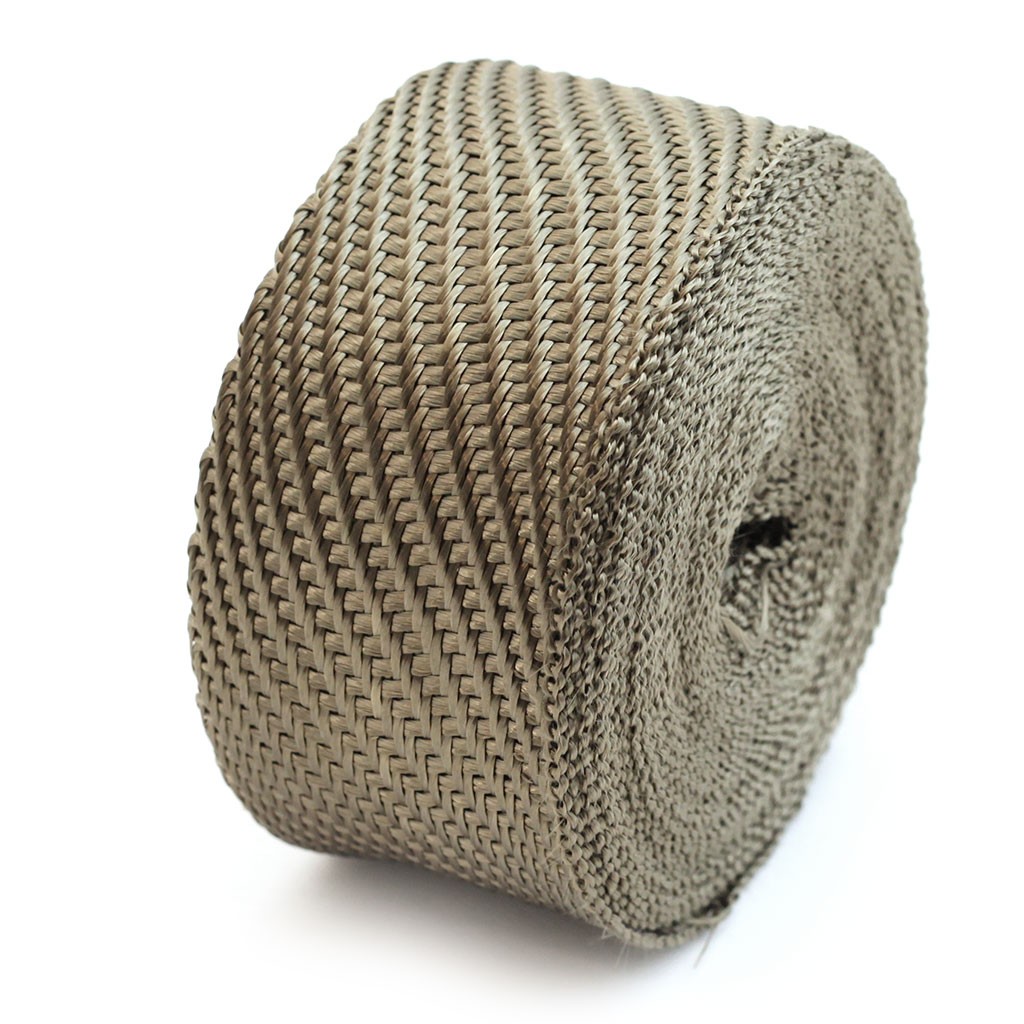
If you’re looking to improve your vehicle’s engine performance, reduce under-hood temperatures, and protect nearby components from excessive heat, basalt tape is one of the best materials you can use. This high-temperature exhaust wrap is made from natural volcanic rock fibers and engineered to deliver superior heat insulation and mechanical durability—making it an ideal choice for both professionals and automotive DIY enthusiasts.
In this guide, we’ll walk you through how to use basalt tape for exhaust pipe wrapping, explain its benefits for heat management, and share expert installation tips to help you get the best results.
When exhaust gases travel through the header or downpipe, a significant amount of radiant heat is released. This heat can increase the temperature inside the engine bay, affecting performance and shortening the lifespan of surrounding components such as hoses, wiring, and sensors.
Basalt tape acts as a thermal barrier that helps retain heat within the exhaust system while keeping external surfaces cooler. By maintaining higher exhaust gas velocity and reducing radiant heat, it contributes to better engine efficiency, throttle response, and overall reliability.
Key Benefits:
Reduces radiant heat by up to 50%.
Improves engine performance through better exhaust gas flow.
Protects nearby components from heat damage.
Enhances durability of exhaust systems by minimizing thermal fatigue.
Resistant to oil, water, and vibration for long-term reliability.
Clean the exhaust pipe thoroughly to remove dirt, oil, and rust. A clean surface ensures better adhesion and a tighter wrap.
Wear protective gloves and long sleeves. Although basalt tape is smoother than fiberglass, working with any fiber-based material requires basic skin protection.
If possible, remove the exhaust manifold or downpipe from the vehicle for easier installation.
Some users prefer to lightly wet the basalt tape before wrapping. This increases flexibility and helps achieve a tighter, smoother fit. The tape will dry and conform once the engine heats up after installation.
Begin wrapping from the exhaust manifold flange or the pipe’s hottest section.
Overlap each layer by 25–50%, depending on how much coverage you need.
Keep constant tension while wrapping to prevent air gaps that can reduce heat insulation efficiency.
Secure the end temporarily with tape or a clamp as you move along the pipe.
Once the pipe is fully wrapped, secure both ends using stainless steel ties or hose clamps. Make sure all loose ends are firmly fastened to prevent unraveling during operation.
Start the engine and let it idle for 10–15 minutes. This allows the tape to cure and tighten as it adjusts to the exhaust temperature. A slight smoke release during this stage is normal as any residual moisture evaporates.
After the initial run, reinspect the wrap to ensure there are no loose spots or exposed sections.
| Parameter | Before Wrapping | After Wrapping with Basalt Tape |
|---|---|---|
| Surface Temperature | 230°C (446°F) | 115°C (239°F) |
| Engine Bay Temperature | 92°C (197°F) | 58°C (136°F) |
| Exhaust Gas Velocity | Normal | Increased (~7–10%) |
| Hose/Wire Durability | Moderate | Significantly improved |
These measurable results show how basalt tape dramatically improves heat management and overall system efficiency. The reduced radiant heat not only protects components but also enhances driver comfort by lowering cabin heat.
Double wrap near high-heat zones such as turbo manifolds or bends.
Avoid overlapping more than 50%, as excessive layering can trap heat and shorten the lifespan of the tape.
Combine basalt tape with stainless steel zip ties or locking clamps for a professional-grade finish.
For extreme performance setups, consider pairing basalt tape with a reflective aluminum heat shield to maximize thermal protection.
Compared to conventional fiberglass exhaust wraps, basalt tape withstands higher temperatures (up to 800°C continuous, 1,000°C peak), resists fraying, and lasts longer under vibration. Unlike ceramic wraps, it does not release irritating fibers and remains flexible even after prolonged heat cycles.
Basalt tape also has natural anti-corrosion properties, which help protect exhaust pipes from oxidation and moisture-related degradation.
Whether you’re tuning a high-performance car, upgrading your motorcycle, or managing heat in a race vehicle, basalt tape offers one of the most effective and durable ways to control temperature and protect components.
With proper installation and maintenance, basalt exhaust wrapping not only improves engine performance and heat management but also enhances the aesthetic appeal of your engine bay. It’s a practical and reliable investment for any automotive enthusiast who demands both function and form.

No.10, Chuangxin North Road, Nanshan Park, Ningguo Economic and Technological Development Zone, Ningguo City, Anhui Province, China
Tel/Whatsapp : 0086-15856303740
Email : sales@bstbraidedsleeve.com
Skype : vanesa-cheng