What are you looking for?
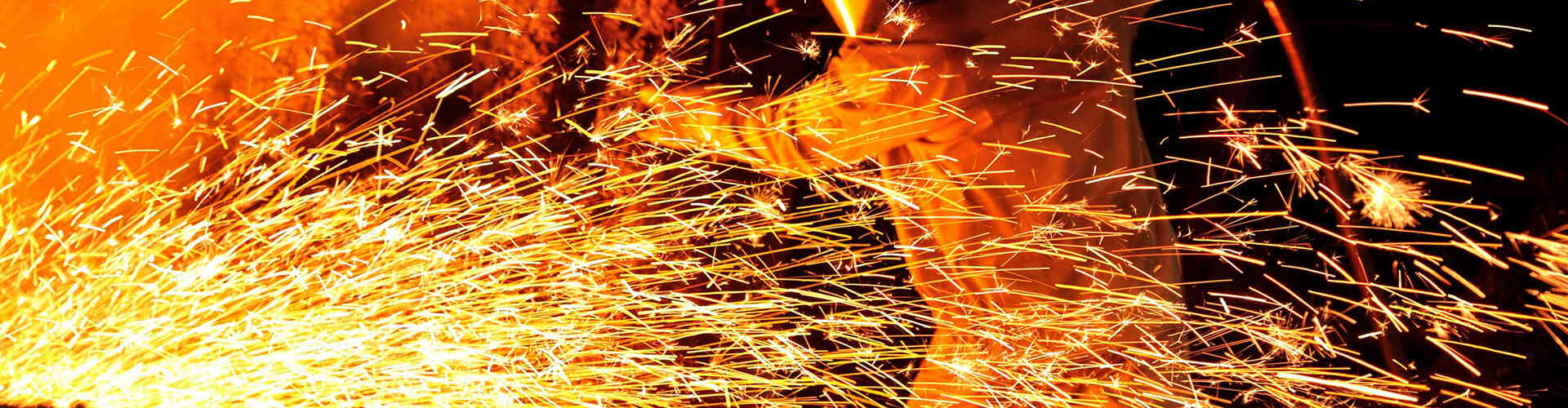
A custom-shaped automotive heat shield is a flexible or semi-rigid thermal barrier manufactured to fit the geometry of a particular vehicle component. Instead of being supplied as a universal sheet or straight cylindrical sleeve, it is cut, folded, sewn and assembled around the dimensions of a hose, wire harness, sensor, valve, connector or fluid line.
This type of shield is used when a standard thermal sleeve cannot follow the branches, bends, mounting points or changes in diameter found in a finished automotive assembly. The reflective exterior faces the nearby heat source, while the inner layers reduce the amount of heat reaching the protected component.
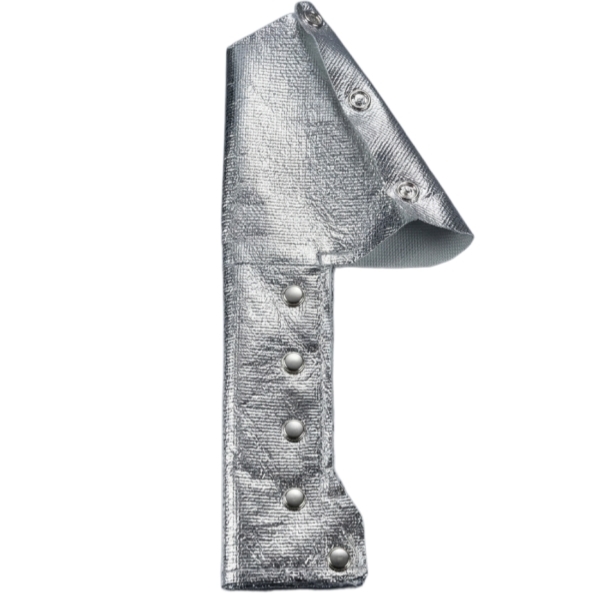
BSTFLEX manufactures custom-shaped aluminized fiberglass automotive heat shields from customer drawings, CAD files, installation measurements or original samples. Designs can be developed as flat shields, openable wraps or complete three-dimensional covers.
Packaging space inside a modern engine compartment is limited. Exhaust manifolds, turbochargers, EGR pipes, catalytic converters and aftertreatment systems may operate close to plastic connectors, electrical wiring, rubber hoses and fluid lines. Even when these components do not touch the hot surface, prolonged radiant heat can raise their temperature enough to accelerate aging or affect performance.
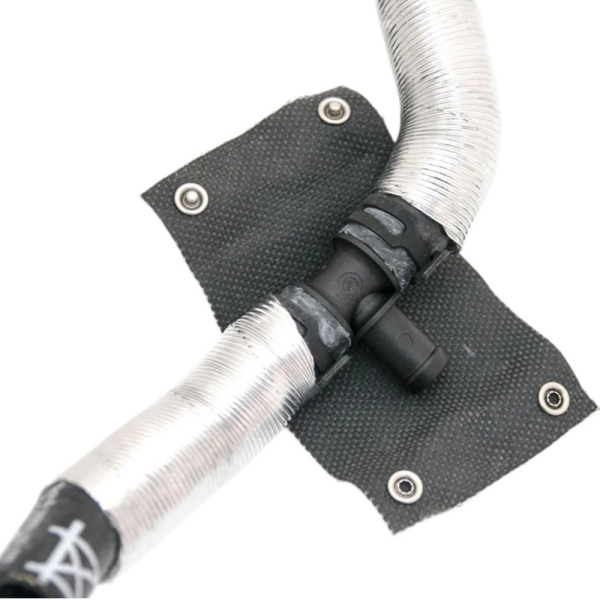
The problem becomes more difficult when the protected assembly includes a tee, elbow, sensor connector, mounting clip or several branches. A conventional tubular heat sleeve may cover the straight section but leave the connector, valve body or junction exposed.
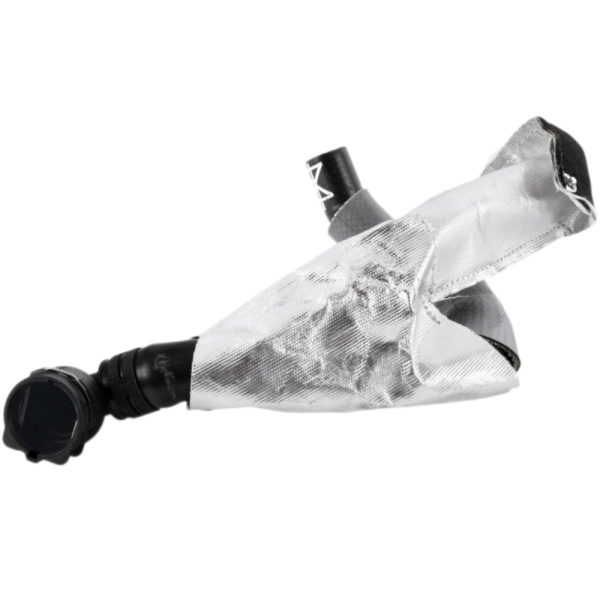
A custom-shaped heat shield addresses the complete geometry. Individual panels are patterned around the assembly and joined in the positions needed to provide continuous coverage. Cutouts can be incorporated for electrical plugs, fixing clips, bolts, sensors and service points.
The shield manages heat through a combination of reflection and insulation. These are related functions, but they are not the same.
A reflective aluminum surface is normally positioned toward the exhaust, turbocharger or other hot component. This surface redirects a portion of the radiant energy before it enters the body of the shield. Maintaining the correct orientation and suitable clearance from the heat source is important to its performance.
Woven fiberglass fabric supports the reflective facing and provides thermal separation. Where greater insulation is required, the construction can include fiberglass mat, pre-oxidized fiber felt, carbonized felt or another approved insulation layer.
The insulation core slows heat transfer through the thickness of the shield. It can also add cushioning between the protective cover and an irregular component. Certain felt constructions may contribute to noise and vibration control as well as thermal isolation.
Shape is part of the thermal design. A well-developed pattern remains in the required position and limits open areas through which radiant heat can reach the component. Seams, overlaps, press studs and mounting points must therefore be planned around both installation requirements and the direction of heat exposure.
There is no single layer arrangement suitable for every vehicle. Material selection depends on the heat source, exposure time, installation clearance, permitted component temperature, vibration and surrounding fluids.
| Layer or Component | Primary Function | Available Options |
|---|---|---|
| Reflective surface | Reduces radiant heat absorption | Aluminum foil or application-specific aluminized facing |
| Reinforcement layer | Provides strength, flexibility and dimensional stability | Woven fiberglass fabric |
| Thermal insulation layer | Slows heat transfer through the shield | Fiberglass mat, pre-oxidized fiber felt or carbonized felt |
| Inner surface | Contacts or faces the protected component | Plain, coated or application-specific protective finish |
| Joining system | Maintains the required two-dimensional or three-dimensional shape | High-temperature stitching, rivets or combined construction |
| Fastening system | Attaches the shield and permits installation or servicing | Press studs, eyelets, clips, rivets or customer-specified fasteners |
A lightweight two-layer construction may be sufficient when radiant heat is the primary concern. A thicker multilayer shield is more appropriate when the installation requires both reflection and thermal isolation. The correct design should be based on application data rather than selecting material by maximum advertised temperature alone.
The term describes more than cutting the outside edge of a flat material. Automotive heat shields can be engineered in several levels of geometric complexity.
A flat shield protects one side of a component or creates a thermal barrier between a heat source and a nearby surface. Holes, slots and mounting features can be cut into the pattern. For this type of application, a die-cut heat reflective mat may provide the required construction.
Fold lines allow a flat pattern to wrap partially around a tube, connector or housing. This design is useful when one surface receives most of the heat exposure but additional side coverage is required.
A three-dimensional shield is assembled from several shaped panels. It can follow elbows, branches, valves, hose couplings and components with varying cross-sections. Seams and overlaps are positioned so that the finished part retains its geometry during installation and service.
Stainless steel press studs or another removable fastening method allow the shield to be fitted after the hose, wiring harness or fluid line has already been installed. This avoids disconnecting the protected assembly and permits later inspection.
For straight components that do not require a complex pattern, BSTFLEX also supplies a heat reflective sleeve with snap closure .
| Design Factor | Custom-Shaped Heat Shield | Standard Heat Sleeve |
|---|---|---|
| Geometry | Developed around a specific component or assembly | Normally supplied in a constant diameter and length |
| Branches and connectors | Can include dedicated openings and shaped sections | May leave irregular sections exposed |
| Installation | Can use removable closures or component mounting points | May slide over the component or wrap around a straight section |
| Layer construction | Can vary by thermal zone and available space | Usually consistent throughout the sleeve |
| Development requirement | Requires drawing, sample or dimensional information | Usually selected by inside diameter and length |
| Typical use | Valves, junctions, sensors, branched lines and complex assemblies | Straight hoses, tubes, cables and wire bundles |
A flexible automotive heat shield and a stamped metal heat shield solve different packaging problems.
Rigid aluminum or stainless steel shields are suitable when the design requires structural stiffness, substantial impact resistance or a controlled air gap. They normally require brackets, bolts or dedicated vehicle mounting points.
A textile-based aluminized fiberglass shield is lighter and can fit more closely around hoses, wiring and irregular assemblies. It can accommodate limited component movement and can often be installed without adding a large rigid mounting structure.
Flexible shielding should not automatically replace metal shielding in every application. The selection depends on impact exposure, airflow, vibration, available clearance, mounting requirements and the location of the hot surface.
Shaped covers protect wiring branches, connector bodies and clips located near exhaust components. Openings can be incorporated so the original routing and electrical connection points remain accessible.
Thermal shields can be formed around flexible hoses, rigid lines, couplings and tees. A removable construction is especially useful when the completed line assembly cannot pass through a conventional closed sleeve.
EGR pipes, EGR hoses, sensors and adjacent wiring can be positioned close to concentrated exhaust heat. A component-specific shield can protect surrounding parts while leaving the required mounting and connection points open.
Diesel aftertreatment systems may place DEF lines and electrical connections near exhaust pipes, SCR components and other heated surfaces. Custom patterns can be developed around the line routing, injector connection and fixing clips.
Small component covers provide localized protection where a full-length sleeve would be unnecessary or difficult to install. The shield can be shaped to protect the heat-facing side while maintaining access for assembly and service.
Hoses, vacuum lines, wiring and connectors routed near a turbocharger can receive high radiant heat loads. An aluminum-faced multilayer shield helps reduce direct radiation reaching these temperature-sensitive components.
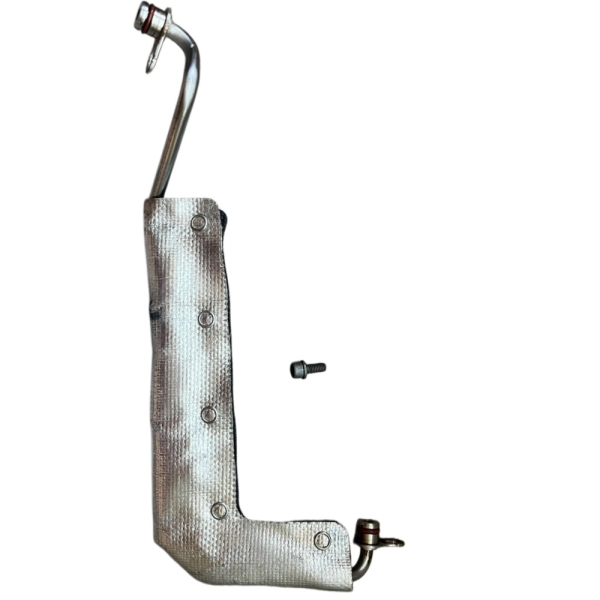
A component-specific heat shield normally progresses through several practical stages.
The temperature capability of an automotive heat shield cannot be defined only by the fiberglass fabric. The aluminum facing, laminate system, insulation material, sewing thread, fasteners and optional coating must all remain suitable for the application.
Radiant source temperature is also different from the continuous temperature at the surface of the shield. Distance from the heat source, airflow, exposure duration, contact conditions and vehicle duty cycle affect the temperature reaching the protected component.
A useful technical request should therefore include:
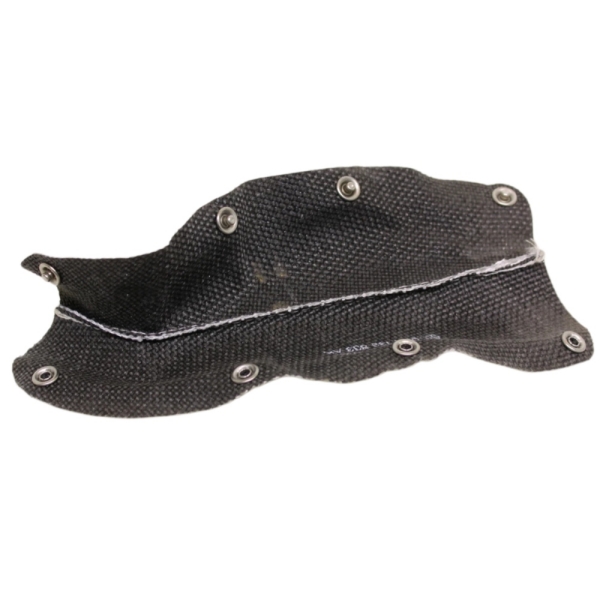
Buyers requesting a custom heat shield should provide more than its approximate length and width. The following information helps the manufacturer prepare a workable prototype:
When drawings are unavailable, an original component or existing shield can be used as the starting point. The new prototype must still be checked on the actual assembly before production dimensions are finalized.
A suitable manufacturer must be able to control both material construction and finished geometry. Reflective material alone does not guarantee a reliable component. Pattern accuracy, seam placement, edge finishing and fastener position affect installation and thermal coverage.
An OEM buyer should evaluate whether the supplier can support:
BSTFLEX supplies aluminized heat protection products for automotive hoses, wiring, lines and component assemblies. Layer construction, finished shape and installation hardware can be developed according to the customer's thermal and packaging requirements.
Not always. A heat sleeve normally has a straight tubular or wraparound profile. A custom-shaped shield can include several panels, branches, cutouts and fastening points designed around a particular component.
Yes. Press studs, clips or another openable closure can allow installation without disconnecting the protected component. The closure position should face away from the most severe heat exposure whenever the geometry permits.
Yes. A physical component, existing heat shield or approved template can be used for pattern development. A prototype fitting stage is recommended before the design is released for volume production.
Fiberglass provides reinforcement, flexibility and thermal separation. The aluminum surface primarily manages radiant heat, while the fiberglass and any additional insulation layers reduce heat transfer through the shield.
Yes. Carbonized felt or pre-oxidized fiber felt can be evaluated when additional thermal isolation, cushioning or sound attenuation is required. Material selection depends on the thickness allowance and actual exposure conditions.
An application-specific coated inner fabric can be considered when the shield requires improved resistance to abrasion, fluids, contamination or loose fibers. The coating must be compatible with the required operating temperature.
Exhaust components are common radiant heat sources, but the shields can also be used near turbochargers, EGR systems, aftertreatment equipment, engine blocks and other concentrated heat zones.
Thickness is selected from the thermal target, heat exposure, available space, required flexibility and installation method. A thicker shield is not automatically better if it interferes with surrounding components or prevents correct fastening.
A successful custom heat shield begins with accurate information about both the protected component and the nearby heat source. Send BSTFLEX your drawing, CAD file, original sample or installation dimensions together with the operating temperatures and estimated quantity.
Our team can review the geometry, recommend an appropriate aluminum, fiberglass and insulation construction, and manufacture a prototype for fit and performance evaluation.
View the custom-shaped automotive heat shield or contact BSTFLEX for an OEM quotation .

No.10, Chuangxin North Road, Nanshan Park, Ningguo Economic and Technological Development Zone, Ningguo City, Anhui Province, China
Tel/Whatsapp : 0086-15856303740
Email : sales@bstbraidedsleeve.com
Skype : vanesa-cheng