What are you looking for?

A turbo blanket fastening system is not an accessory selected after the insulation has been designed. The springs, lacing wire, anchors and reinforced edges must work with the blanket pattern, the turbine-housing geometry and the available installation space.
BSTFLEX supplies turbo blankets with project-specific fastening arrangements. Depending on the pattern and order specification, the closure may use stainless steel springs, lacing wire or another reviewed method. The correct choice is the one that holds the approved blanket in position without obstructing the wastegate mechanism, turbo connections or required service access.
This guide explains what buyers should specify when ordering turbo blanket installation hardware, how springs differ from lacing wire, and what should be checked during sample approval. For the full material and size range, review the BSTFLEX turbo heat shield blanket range.
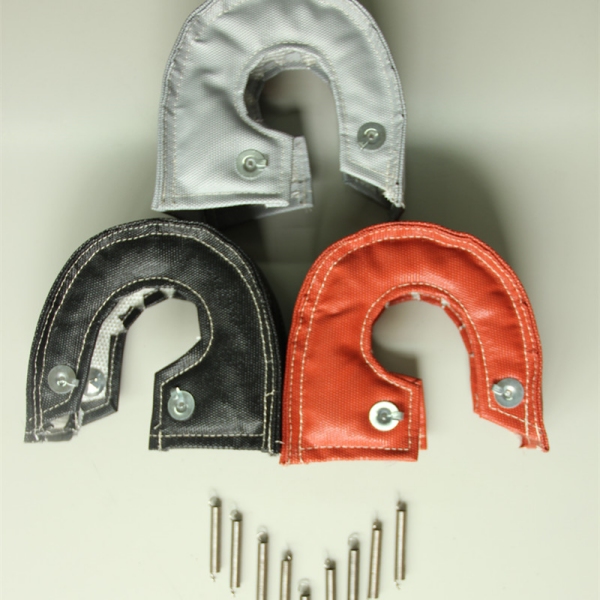
The visible spring or wire is only one part of the attachment system. A complete purchasing specification should identify the hardware, the points where it connects to the blanket and the construction that carries the fastening load.
| Component | Function | What the Buyer Should Confirm |
|---|---|---|
| Lacing anchors or attachment points | Provide the locations where springs or wire connect to the blanket. | Quantity, position, material, shape and relationship to the approved blanket pattern. |
| Stainless steel springs | Connect opposing attachment points while allowing a defined amount of extension. | Spring length, attachment span, quantity, material and whether the springs are supplied installed or loose. |
| Lacing wire | Creates a flexible closure between attachment points and can be routed to suit the approved installation. | Wire material, diameter, supplied length, number of pieces and the intended lacing route. |
| Reinforced edge or anchor area | Helps transfer fastening load into the blanket construction. | Edge material, stitching, anchor reinforcement and any area that must not be pulled or folded. |
| Installation instructions | Define orientation, hardware route, tightening method and inspection points for the supplied pattern. | Product-specific instructions, diagrams, warnings and any required tools. |
| Spare hardware | Supports installation, replacement or field-service requirements. | Whether spares are required, the quantity per kit and how replacement parts are identified. |
A blanket may physically include anchors but still require a separate hardware pack. The quotation and packing specification should state exactly what is included with each unit.
Springs and wire can both be used to retain a turbo blanket, but they do not create the same installation method. Neither option is automatically correct for every housing.
| Selection Point | Stainless Steel Springs | Stainless Steel Lacing Wire |
|---|---|---|
| Closure method | A spring connects two defined anchor points across an approved span. | Wire is routed through or around the specified attachment points and secured according to the installation method. |
| Adjustment | Adjustment is mainly determined by spring length, extension and anchor position. | The installer can control the routing and final secured length within the limits of the approved pattern. |
| Access requirement | The installer needs room to reach both anchors and engage the spring. | The installer needs enough access to route, tension and secure the wire without contacting moving or hot-side components incorrectly. |
| Service planning | Springs may be convenient where the approved blanket and hardware are intended for removal, inspection and reinstallation. | Wire may be selected where a compact or installation-specific lacing route is required. |
| Kit specification | Quantity, free length and the correct spring for the attachment span should be defined. | Material, diameter, supplied length and cutting or lacing instructions should be defined. |
| Main risk if poorly specified | An incorrect span can leave the blanket loose or place excessive load on the anchors. | Incorrect routing or excessive tightening can distort the blanket, damage the anchor area or interfere with nearby parts. |
The expected removal frequency should be discussed before choosing hardware. A spring closure does not automatically mean that every blanket can be removed and reused indefinitely. The condition of the insulation, seams, outer cover and attachment points must still be evaluated after heat cycling.
The anchor locations should be developed with the blanket pattern. They determine where the closing force is applied and whether the installer can reach the hardware once the blanket is positioned around the turbine housing.
For a standard or custom turbo blanket, confirm:
There is no universal anchor count for every T3, T4, T6 or model-specific turbo blanket. The required number and position depend on the housing shape, blanket construction and fastening method. Adding more anchors does not automatically improve the fit if the pattern itself is incorrect.
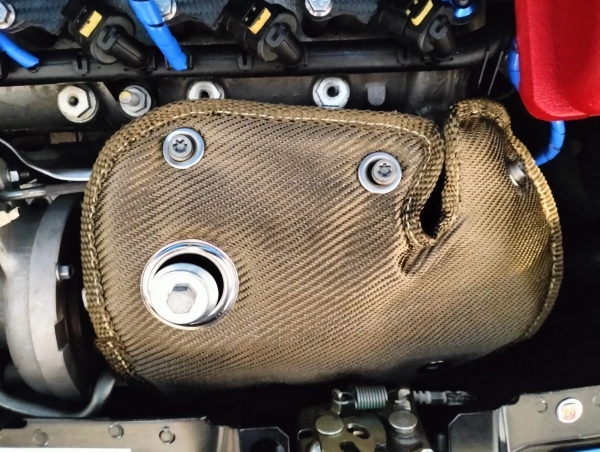
Springs may be considered when the blanket pattern provides defined opposing attachment points and sufficient access for installation. They can make the supplied hardware set easy to identify and can simplify a repeat installation when the same approved housing, blanket revision and spring specification are used.
Before selecting springs, check:
Do not select a longer or stronger spring simply to force an unsuitable blanket around the housing. The hardware should secure a correctly fitted pattern, not compensate for incorrect dimensions.
Lacing wire can provide a flexible route between attachment points where the approved installation requires a compact closure or a particular path around the housing. The wire specification should be supplied with the blanket rather than left as an undefined field purchase.
A wire-based installation should identify:
General-purpose household wire should not be substituted for specified turbo blanket lacing wire. The selected wire must be suitable for the temperature, environment and mechanical duty of the approved installation.
A blanket that cannot reach its opposing anchors without excessive force may have the wrong orientation, the wrong pattern or insufficient clearance. Pulling harder on the springs or wire can distort the seams, edge binding and anchor areas without correcting the underlying fitment issue.
During a cold trial fit:
If the hardware cannot be installed as specified, photograph the interference and mark the affected area. Request a fitment review instead of cutting the blanket, relocating anchors or substituting hardware without approval.
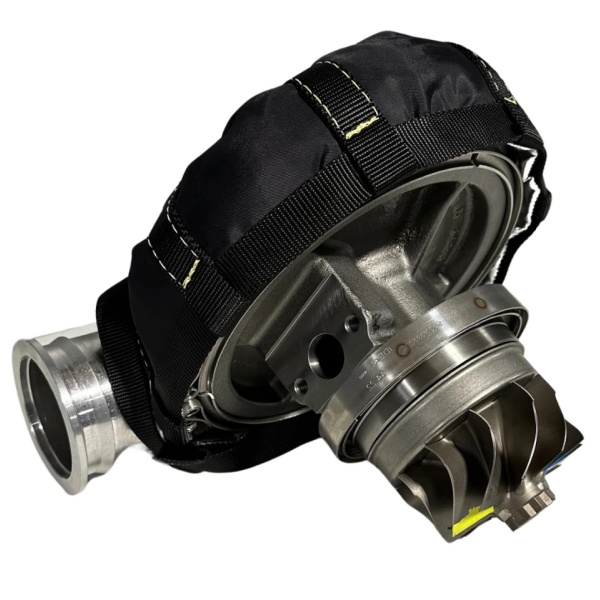
An internally wastegated turbocharger requires particular attention because the actuator and linkage must retain their required movement. The blanket edge, anchor, spring and lacing wire should all remain clear of the moving mechanism.
The purchasing or sample package should include photographs showing:
Do not assume that a blanket described as T3 or T4 automatically has the correct internal-wastegate clearance. The housing and actuator layout should be confirmed for the actual turbocharger.
An external-wastegate arrangement removes some of the internal actuator-clearance concerns, but the installation still needs a defined closure route. Nearby wastegate pipework, manifold branches, V-band clamps and service fasteners can restrict access to the blanket hardware.
For V-band and divided-housing turbochargers, identify which clamps, bolts and connections must remain accessible. A spring or wire that crosses a required service point can turn a simple inspection into a larger disassembly job.
Send installed photographs rather than a turbocharger-only product image. The surrounding components determine whether the proposed fastening can be reached and inspected.
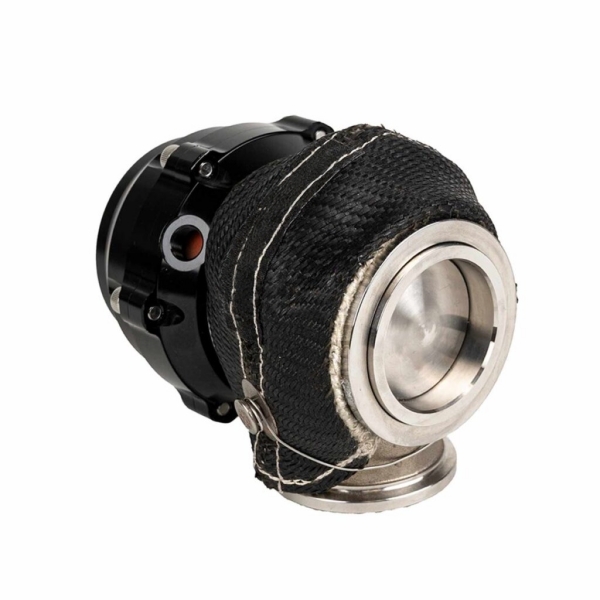
Stainless steel is commonly specified for turbo blanket springs, wire and anchors, but the exact grade, diameter and construction should be confirmed for the order. The use of stainless steel hardware does not establish the temperature rating of the complete blanket.
The finished assembly also includes:
Each component occupies a different position and experiences a different combination of temperature, vibration and mechanical load. Material data for one spring or wire should not be presented as the performance rating of the complete turbo blanket.
For outer-cover selection, see silicone-coated turbo blanket materials and temperature. The same principle applies to titanium, carbon and aluminized fabric versions: the exterior name is not a complete assembly specification.
Always follow the instructions supplied for the specific blanket. The following review points help buyers prepare an installation and acceptance plan; they do not replace product-specific instructions.
The fastening system should be included in the routine blanket inspection. The correct interval depends on the equipment, operating duty and maintenance requirements.
Check for:
Do not reuse damaged hardware simply because it can still be attached. Replacement hardware should match the approved specification. If the blanket itself has become brittle, torn, contaminated or distorted, replacing only the spring or wire may not restore the assembly to an acceptable condition.
For distributor, private-label or OEM orders, the fastening components can be supplied as part of a defined turbo blanket fitting kit. The commercial specification should match the technical specification.
| Kit Item | Details to Define |
|---|---|
| Blanket | Pattern reference, revision, outer cover, insulation construction, edge finish and anchor layout. |
| Springs | Quantity, dimensions, material, replacement part reference and whether spares are included. |
| Lacing wire | Material, diameter, total length, pre-cut lengths and quantity. |
| Instructions | Language, installation diagram, hardware route, warnings and inspection information. |
| Packaging | Hardware installed, bagged with the blanket or packed in a separate labeled compartment. |
| Identification | Blanket part number, hardware kit reference, revision, barcode or customer label. |
| Spares | Whether replacement springs, wire or anchor components are supplied separately. |
Do not allow one unmarked hardware bag to serve several blanket patterns unless the components are genuinely interchangeable and the installation instructions make the allocation clear.
Sample approval should include the closure and hardware, not only the sewn blanket body.
Fitment approval: Confirm that the blanket covers the intended housing area and that the hardware can be installed using normal access.
Movement approval: Confirm clearance around the wastegate actuator, linkage and any other moving components.
Hardware approval: Record the spring or wire specification, quantity, routing and final attachment points.
Service approval: Confirm which components remain accessible and whether the blanket is intended for removal during scheduled service.
Packaging approval: Confirm that the correct hardware and instructions are included with each blanket.
For drawing-based and private-label projects, review the BSTFLEX OEM and custom turbo blanket manufacturing process.
| RFQ Field | Information to Provide |
|---|---|
| Turbocharger identification | Manufacturer, model, part number and turbine-housing details. |
| Blanket pattern | Standard reference, drawing, sample or requested custom pattern. |
| Wastegate arrangement | Internal or external, including actuator and linkage photographs. |
| Preferred fastening | Springs, lacing wire or request for BSTFLEX recommendation after review. |
| Installation access | Available space, service points and components that the hardware must avoid. |
| Removal requirement | Expected inspection or service frequency and whether reinstallation is required. |
| Hardware packaging | Installed, loose, individually bagged, spare quantity and labeling. |
| Order information | Sample quantity, initial order, repeat demand and private-label requirements. |
Not in every installation. Springs work well when the blanket has defined opposing anchors and the installation provides a suitable attachment span. Wire can provide a more flexible routing method. The pattern, access, service requirements and supplied instructions should determine the choice.
The quantity is pattern-specific. Do not assume that every T3, T4 or T6 blanket uses the same number. Confirm the approved anchor layout and hardware list for the actual product.
Use the lacing wire specified or supplied for the product. Unspecified wire may not have the required material, diameter or suitability for the temperature and mechanical environment.
Reuse depends on the spring condition, blanket condition and product instructions. A spring that is deformed, corroded, damaged or no longer retains the approved blanket correctly should not be reused.
Yes, where both methods are compatible with the approved blanket pattern. State the required kit options, quantities and packaging so each configuration can be reviewed and quoted clearly.
Excessive fastening force does not create a higher insulation rating. The hardware should hold the correctly fitted blanket in place without damaging its construction or interfering with the turbocharger.
Send the turbocharger model, turbine-housing dimensions, installed photographs and preferred blanket construction. Mark the wastegate mechanism, available hardware route and service points that must remain accessible.
For a repeat-order or private-label program, also provide the required spring or wire kit, spare quantity, installation instructions, labels and packaging format. BSTFLEX can review standard and custom fastening arrangements together with titanium, carbon, aluminized fabric and silicone-coated turbo blanket constructions.
Send Your Turbo Blanket Drawing and Hardware Requirements to BSTFLEX

No.10, Chuangxin North Road, Nanshan Park, Ningguo Economic and Technological Development Zone, Ningguo City, Anhui Province, China
Tel/Whatsapp : 0086-15856303740
Email : sales@bstbraidedsleeve.com
Skype : vanesa-cheng