What are you looking for?
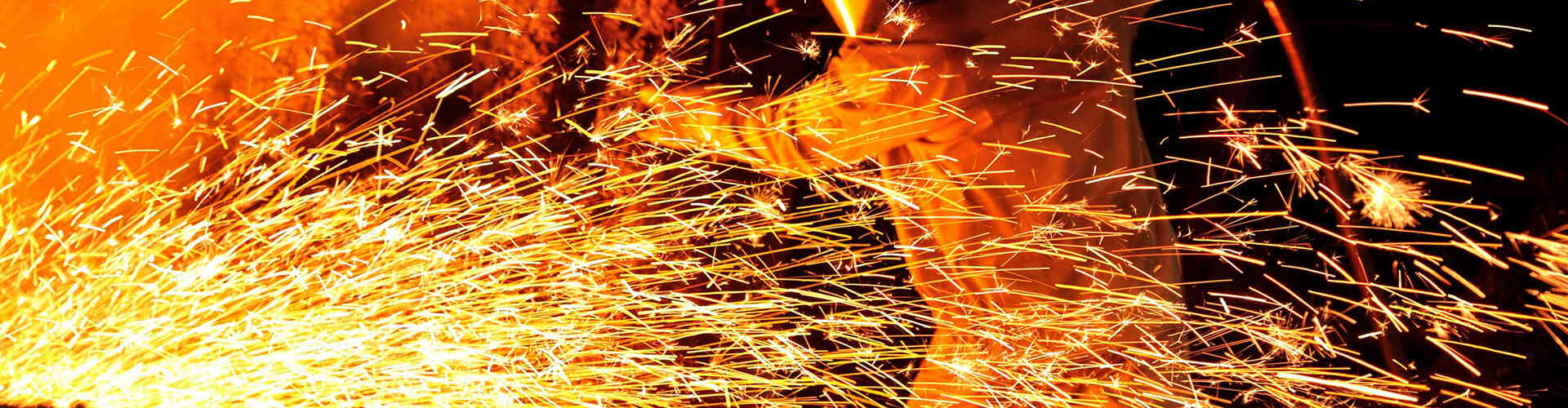
Muffler packing blowout is one of the most common failure modes in performance exhaust systems, particularly in motorcycles, ATVs, marine engines, and high-temperature industrial silencers. Although muffler packing is designed to absorb acoustic energy and reduce exhaust noise, it operates under extreme thermal cycling and pressure fluctuations. Over time, these conditions lead to structural breakdown and material loss.
The core issue is not simply “wear and tear.” Instead, muffler packing failure is the result of combined thermal degradation, gas velocity erosion, and mechanical vibration fatigue. Understanding these mechanisms is essential for selecting the correct exhaust muffler packing material.
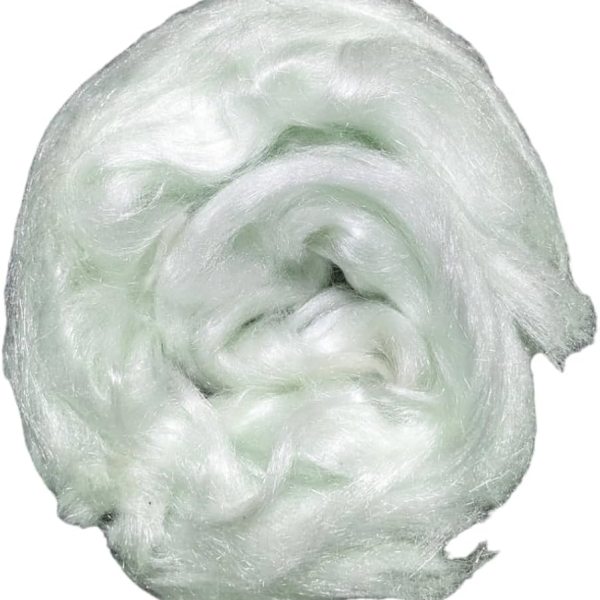
Fiberglass-based muffler packing is widely used due to its cost efficiency and heat resistance. However, continuous exposure above 600°C leads to fiber embrittlement and resin burnout. Once the binder structure is lost, fibers begin to disintegrate and migrate through the exhaust flow.
This is particularly severe in two-stroke engines where unburned fuel increases localized temperature spikes. Once degradation begins, the packing density decreases rapidly, resulting in acoustic performance loss and eventual blowout.
Another major cause is high-velocity gas erosion. In performance exhaust systems, gas velocity can exceed design assumptions, especially when aftermarket modifications reduce backpressure. The internal packing acts as a porous medium; when gas velocity increases, fiber displacement occurs.
This effect is amplified in short muffler designs, where the exhaust gas does not have sufficient expansion volume before exiting the silencer core.
Engine vibration creates cyclic loading on the packing structure. Over time, this leads to micro-movement between fibers, reducing interlock strength. Once the internal matrix loosens, channeling occurs, allowing hot gas to bypass packed regions and accelerate localized failure.
Over-compression reduces porosity and heat dissipation capability, while under-compression allows excessive movement. Both conditions accelerate blowout. Correct packing density is critical for stable acoustic absorption performance.
To reduce blowout risk, material selection is critical. High-quality fiberglass, basalt fiber, or stainless steel wool combinations significantly improve structural stability. In industrial applications, layered composite packing systems are increasingly adopted.
For optimized performance materials, explore the full range at muffler packing solutions.
Muffler packing blowout is not a random failure but a predictable degradation process driven by heat, velocity, and vibration. Proper material engineering and correct installation density are the key factors controlling lifespan.

No.10, Chuangxin North Road, Nanshan Park, Ningguo Economic and Technological Development Zone, Ningguo City, Anhui Province, China
Tel/Whatsapp : 0086-15856303740
Email : sales@bstbraidedsleeve.com
Skype : vanesa-cheng